Trump Uses July 4th Speech to Attack Socialism Ahead of Midterm Elections
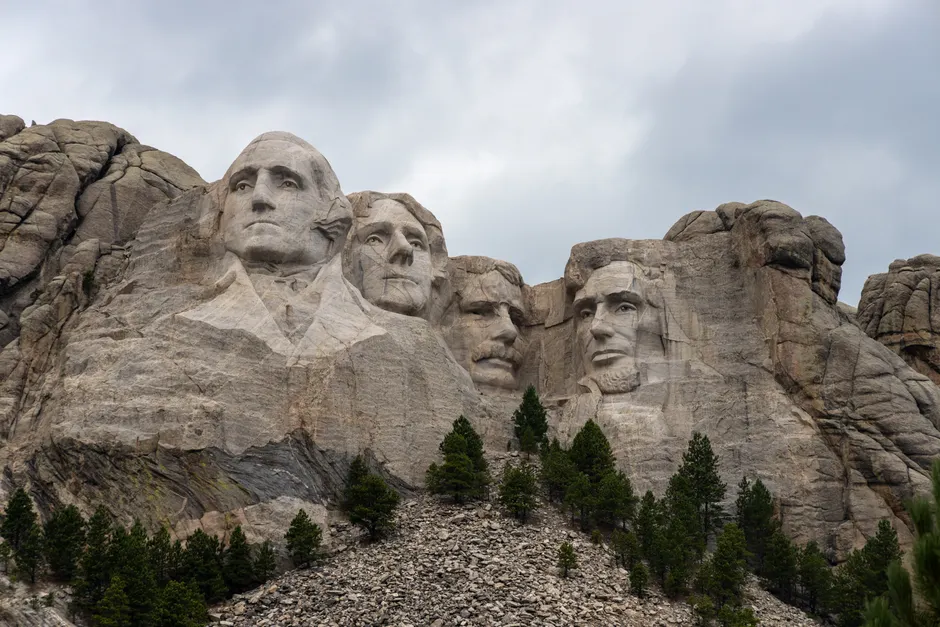
President Trump gave a speech at Mount Rushmore on July 3, 2026, as the country prepared to mark 250 years since independence. He mixed celebration of American history with sharp attacks on his political opponents, calling democratic socialists the biggest threat to the country since its founding.
"Tomorrow, we mark 250 years of glorious independence and 250 years of majestic American freedom. Nothing like it," Trump said, according to ABC News. But he quickly moved from tribute to battle lines, warning that communism was an "enemy of the Constitution" and that there was a "communist menace" at home. He pledged that Americans would "vanquish communism quickly" and suggested that left-wing political figures and some undocumented immigrants should be removed from the country, per Al Jazeera.
The timing matters. Progressive candidates had just won Democratic primary elections in New York, Colorado, and Texas — a sign the Democratic Party was moving left. Trump's speech used that shift to his advantage, framing socialism and communism as dangers so severe they overshadow World War II and September 11. This kind of language is meant to unite Republican voters around a common enemy before the fall's competitive elections.
The New York Times called the speech a mix of patriotic ceremony and partisan politics, describing it as "a warm-up" for the campaign ahead.
Trump also talked about foreign policy. He claimed the U.S. had defeated Venezuela and Iran, saying Tehran "is dying to settle." He made a pointed reference to Iran's supreme leader, Ali Khamenei, who was killed in a U.S.-Israeli military strike, noting that "we gave a week off for a funeral because we're nice," according to Al Jazeera. Vice President Vance has said separately that the U.S. is in a strong position with Iran and has achieved its main goals, per the White House Wire.
These foreign policy claims sit against a real problem for the administration: voters are worried about inflation and high energy prices, which the government itself traces partly to the Iran conflict. The speech reframed that tension as a win but did not address the underlying concern.
Reactions from political strategists divided along party lines, but the language each chose reveals something. Republican strategist Eli Bremer told Al Jazeera that parts of the address "could have been delivered by Ronald Reagan 45 years ago" — suggesting a connection to mainstream conservatism. Democratic strategist Ameshia Cross offered a different view: the speech showed "a president who sees his grip on America steadily slipping away." Cross pointed out it came just two days after the Supreme Court ruled against Trump on birthright citizenship, with the court protecting citizenship rights established in the Constitution's Fourteenth Amendment. That decision blocked a core part of his immigration plan.
The contrast was sharpened by deliberate timing. On the same day, New York City Mayor Zohran Mamdani held a citizenship ceremony in city hall using a desk that once belonged to George Washington. He framed immigrants' contributions as central to America's real story. Mount Rushmore and a Washington desk in New York City — these two ceremonies presented two opposing visions of who America is and what it stands for.
The core question ahead is whether Trump's frame — communism, deportation, national crisis — actually persuades voters beyond those already supporting him. Trump ended by calling the 250th anniversary "the beginning of the golden age of America," claiming he has a mandate to transform the country. Whether that message gains traction with people dealing with rising costs and the ongoing military engagement with Iran will likely decide the midterm races in November.


