Why Oil Fell From $110 After Trump Paused Russia Penalties

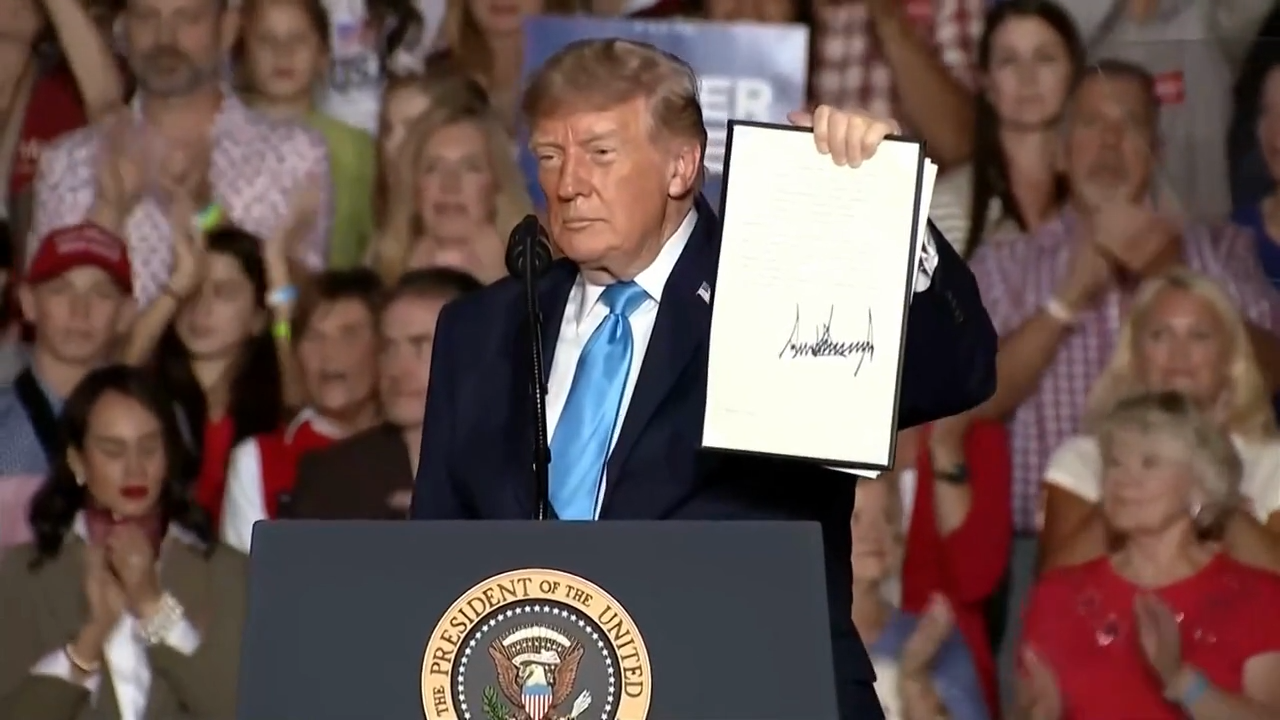
Brent crude fell from $110 a barrel on Monday after President Donald Trump signed an order on Friday night to pause key U.S. penalties on Russia. Brent is the world oil price that feeds into petrol and heating bills. It had jumped to $110. Traders sold to lock in gains and prepared for more Russian fuel to reach buyers. Reuters
Those penalties were set under a law called the Graham Act, which Trump had signed the month before. The Friday night order paused them before they fully started. The details of what is paused matter more than the headline. Reuters
The $110 peak was set on Friday. It was the first time since May, on fears of rising Middle East tensions. Prices had been jumping up and down. That jumpiness stayed high into the weekend. Reuters
Monday's fall only undid part of a bumpy stretch. On Oct. 15, Brent futures, which are deals to buy oil for later delivery, fell 1.9% to $104.02 a barrel at 03:35 ET (07:35 GMT), while U.S. WTI oil fell 1.1% on talk of possible U.S. penalty relief. Washington was reported to be thinking about easing penalties on ships that carry oil, which could ease shipping limits, as prices fell back. Yahoo Finance Shipping is the bridge. With fewer blocked ships, trips cost less and penalised oil can find buyers more easily. Anadolu Agency
This kind of fear trade had happened before this summer. Brent prices rose on a Friday after U.S.-Iran talks in Switzerland were suddenly called off. CNBC That left the market quick to react to bad headlines about talks.
The U.S. Energy Information Administration expects the Brent spot price, the price for oil bought right now, to average $105 a barrel in Q4 2026. It expects the average to fall to $84 a barrel next year. EIA
The broader context here is a market pulled in two directions. One pull is fear of lost supply from the Middle East and broken talks. The other is extra Russian oil and ships returning if the pause holds. Think of it like opening an extra lane on a busy road.
In my view, it helps to separate what we know from what is still a guess. What we know is the signed waiver, the Graham Act law behind it, and the price path from $104.02 to $110 and back down. What is still a guess is whether the pause lasts, whether companies follow it, and how much oil really flows. Pauses can be narrowed, reversed, or blocked by shipping, insurance and wariness among buyers. That is why traders first sold futures rather than resetting all prices for later delivery.
Looking at what this means for positioning, the EIA path from $105 toward $84 sets up the debate without settling it. That implies a steep drop. If Russian barrels return and ship limits ease, tight supply can loosen fast. If Middle East risk returns, the fear premium can jump back just as fast. How long headlines drive prices matters a lot. Care with contract length, ease of trading and local price gaps matters more than strong bets on direction.