Meta's New AI Can Book Trips and Make Calls for You

Meta has launched two new AI models, Muse Wonder and Muse Wonder Full. The Verge reported the release on Oct. 12, 2026.
Both are available to Muse Code subscribers, who pay for Meta's coding helper. Muse Wonder is also available through the Meta Model API, which lets outside developers use it in their own apps.
Meta plans to use Wonder to power its Muse AI agent, starting with subscribers.
Meta says Wonder can keep up with GPT-6 Astra, Claude Opus 5.5 and Claude Fable 5.1 in its own lab tests.
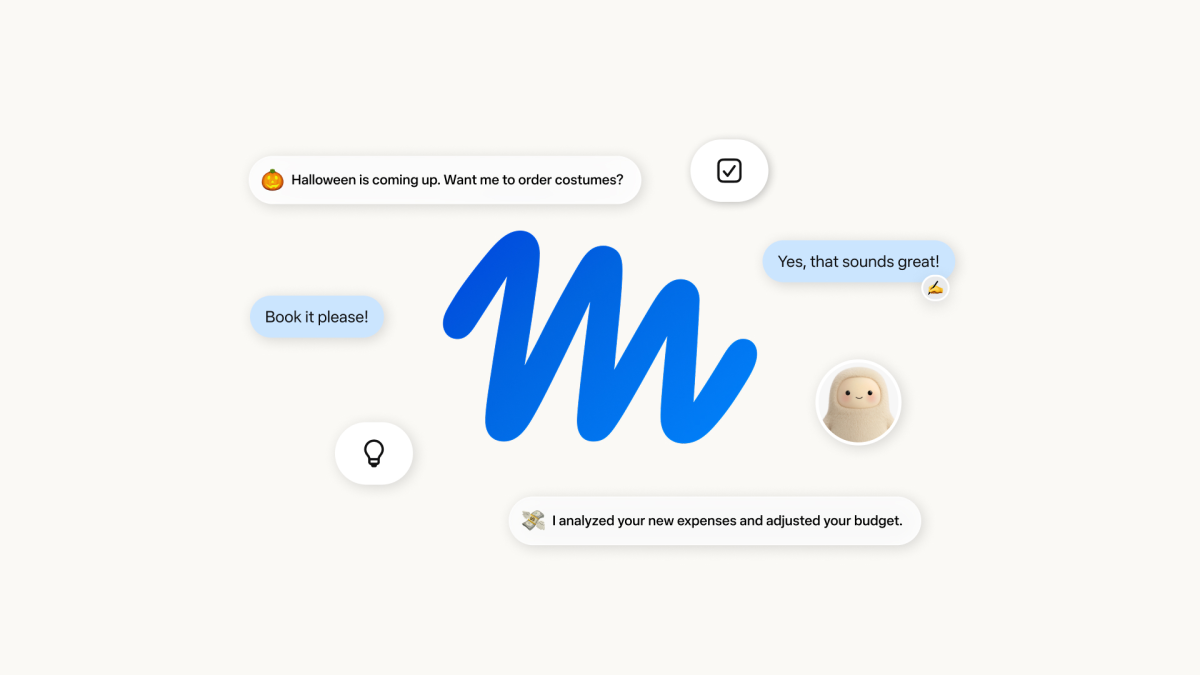
Muse is described as a personal AI agent that books trips, makes purchases and places calls for users. Reuters It topped U.S. app download charts after its launch. Its rapid rise split Wall Street over concerns about AI disruption, Reuters reported on Sept. 25, 2026.
The broader context here is vertical integration. The AI model, the coding service and the consumer helper all share the Muse name. That lets Meta adjust training, live answers and usage data together, like tuning an engine and its dashboard at once. It also concentrates risk. A bad update spreads fast when the same system helps write code and handles live purchases.
In my view, how Meta is sharing Wonder matters more than the test scores. Subscribers are a smaller group who give feedback and accept early flaws. The API is a tougher test. Outside use quickly shows response speed, handling of many users, answer format and cost per finished job. Company lab tests rarely predict that. Real-world use does. Until independent tests appear, the claim of matching rivals is best treated as an early guess, not a final score.
Looking at what this means for developers, starting with subscribers is sensible engineering. It keeps problems small while Meta checks booking, buying and calling. Those tasks must remember steps, ask permission, keep records and undo a flight, payment or call that fails. Agents often fail on rare cases. How they recover matters more than a good demo.
What this could enable over time is a closer link between writing software connections and using them. Better at following instructions helps both coding help and errand-running. If outside tests hold up, teams using the Meta Model API get another choice for coding and doing tasks in one place. That practical choice, tested in real use, will matter more than launch claims. The long arc here remains hopeful. Helpful automation, once mistakes drop and undo works, tends to find users.