Meta's New Muse Wonder AI Is Bigger and Remembers More
Meta released Muse Wonder and Muse Wonder Full on Monday, Oct. 12, 2026. The two systems are Meta's first attempt at frontier models, the most capable type of general model. TechCrunch
Muse Spark was a smaller model made for fast answers. The Wonder models are larger and more capable than Muse Spark, with higher test scores and better results on hard tasks like coding.
Muse Spark 1.1 is the latest release in the Muse Spark family of models developed by Meta Superintelligence Labs. Meta
According to Meta's testing, Wonder and Wonder Full score about the same as Fable 5.1 and GPT-6 Astra.
Developers can use Wonder through the Meta Model API, which lets outside software connect to the model. It costs $4.00 per million input tokens and $20.00 per million output tokens. TechCrunch Tokens are small pieces of words and sentences the system reads and writes. The price is about the same as GPT-6 Sol or Opus 5.5.
Wonder Full will only be available to Muse Code subscribers and will not be served through the API. Both Wonder models will be used to power the Muse agent.
Meta's Muse AI agent allows users to hand off tasks such as shopping, travel booking and form-filling to an AI helper. Reuters
Meta calls the Wonder models' ability to keep and combine user-provided information 'active memory', like a notepad the system keeps while it works. According to Meta's testing, Muse Wonder scores higher on a memory test called MemoryBench than Fable, Opus or Astra.
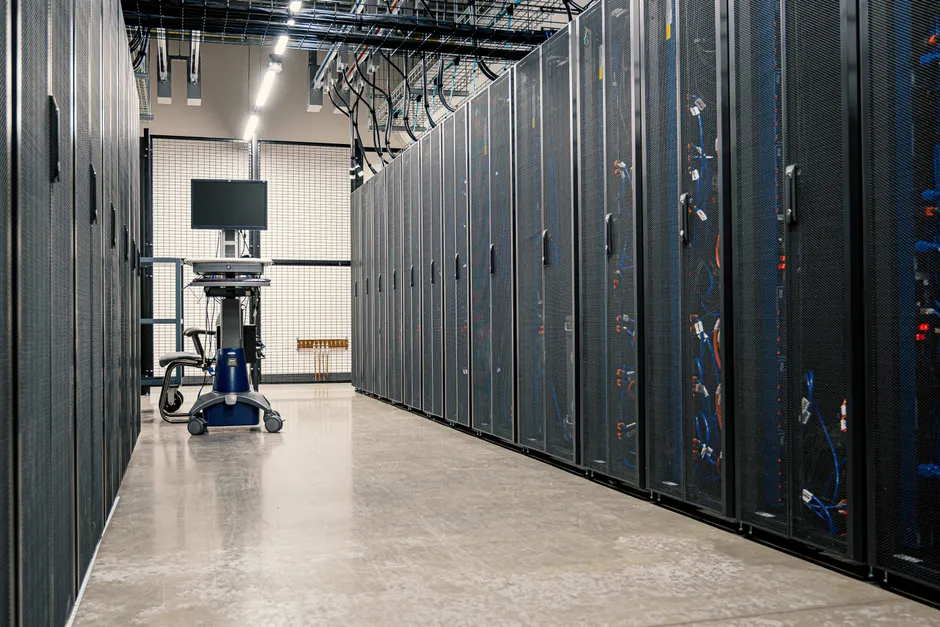
The Wonder models were trained at Meta's Prometheus data center in central Ohio.
On August 10, 2026, Meta introduced Muse Glimmer, a downloadable AI model that can run on a personal computer. Bloomberg Muse Glimmer is a 30-billion-parameter open agentic model developed by Meta Superintelligence Labs. Meta Research That number is a rough measure of size. It is built to do multi-step tasks on its own and can run on a personal device such as a Mac.
Looking at what this means for everyday use, how Meta sells the models is important. One is sold by usage to developers. The other comes only with a coding subscription.
In my view, Meta is dividing them by job, not just by power. The pay-by-use version will be judged on cost, speed and tool use. The subscription version fits coding work where remembering earlier files and edits helps. The test will be how active memory handles long histories with old or conflicting details.
The broader context here is a three-level Muse lineup. Spark handles fast, light jobs. Glimmer handles at-home experiments on a laptop. Wonder handles the hardest coding and problem solving. That setup lets builders pick the right tool and watch costs, which depend on how much text goes in and out.
Worth flagging is the MemoryBench result. A higher score than Fable, Opus or Astra is a good sign, but real shopping, booking and form tasks will be the real test. If active memory means less repeating yourself, daily use gets easier. That is the step helpers must take to move from demos to something people rely on.