Meta's Muse AI Is Now the Most Downloaded Free App
Meta's Muse was the No. 1 free app on the U.S. App Store from September 18 through September 25, 2026. It has held the top spot on Google Play since September 19. One outside estimate puts total downloads at 4.3 million. The app is only available in the U.S. and Canada.
Meta launched Muse on September 8, 2026. It is free. It works on Mac and mobile phones. It runs on Meta's Muse Spark AI model, according to Fortune. Meta calls it a secure, private personal AI helper that learns your goals and offers ideas.
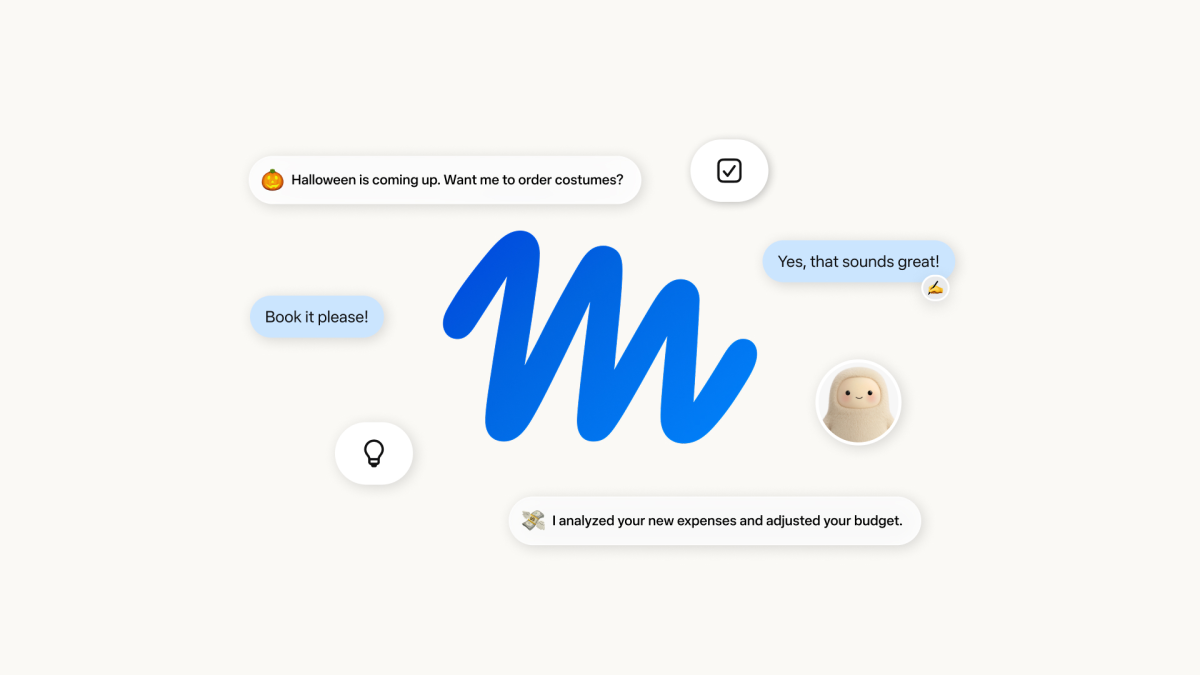
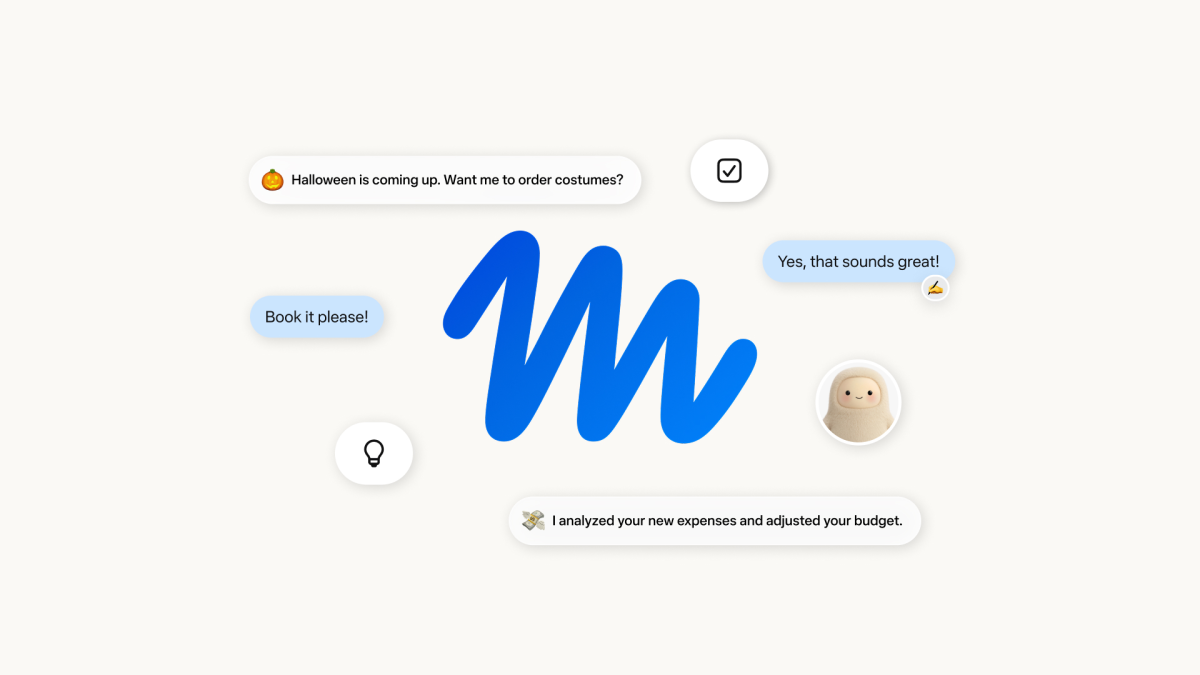
Muse is meant to do things, not just answer questions. Think of a helper who can also run errands. Meta says Muse can answer questions, finish tasks, browse the web, buy things, make pictures, create documents, and connect with apps and services. Meta also says it works across phone, computer and the web.
Downloads rose quickly. Muse averaged 55% day-over-day download growth from September 8 to September 17, according to TechCrunch. It had passed 2.5 million downloads by the start of the week of September 25. In the U.S. and Canada, it had more downloads and more daily users than ChatGPT did in a similar early period.
Outside counts vary. Apptopia estimated 4.3 million downloads so far, with 2.6 million on iPhones alone. Sensor Tower estimated more than 3.4 million downloads as of Thursday, including 2.8 million in the first two weeks. Appfigures estimated about 2.3 million installs as of Thursday, split almost evenly between iPhone and Android. The firms use different data and counting methods.
Meta is telling Facebook and Instagram users about Muse. Sensor Tower data shows Meta started ads for Muse inside its own apps on September 9, one day after launch. Ads in its own apps cost less and reach billions of people who are already logged in.
Sensor Tower found daily users of Muse rose 27% on Wednesday after Meta Connect. At Connect, Meta talked about future Muse features. They include video chat with the Muse avatar, computer use on the Mac, its own email address, more partners and connectors, and smart glasses links. Connectors are links that let Muse work inside other apps. These features are planned, not yet available.
Meta describes Muse Charm as its first AI agent device. It says Muse will work with glasses as well as phone, computer and web.
The broader context here is a change in what apps do. Older chat tools wait for a question. Muse is meant to remember goals and act inside other services, use a Mac computer, and handle email through its own address. That raises common safety questions about permissions, stored passwords, purchase approval, and records of what the agent did for you.
In my view, these early numbers show the power of timing and reach more than which AI model people prefer. Passing OpenAI's ChatGPT on the App Store, as reported by Fox Business, is notable. Muse did it in only two countries, with ads in Meta's own apps and news from Connect. That leaves room to grow if it expands to more countries. Worth flagging is whether people keep using it. Downloads grew 55% per day for nine days, and use jumped after Connect, but using it every week is harder to earn than a first try.
What this enables, if the planned links and computer use work as described, is a test of AI helpers as everyday tools. Shopping, documents, pictures and web browsing in one place, by voice, text, avatar video and glasses, could cut down on jumping between apps. The next thing to watch is not app rank, but whether people finish repeat tasks with it.