China Sets Up Permanent Coast Guard Patrols Near Taiwan—What That Means
China Sets Up Permanent Coast Guard Patrols Near Taiwan—What That Means
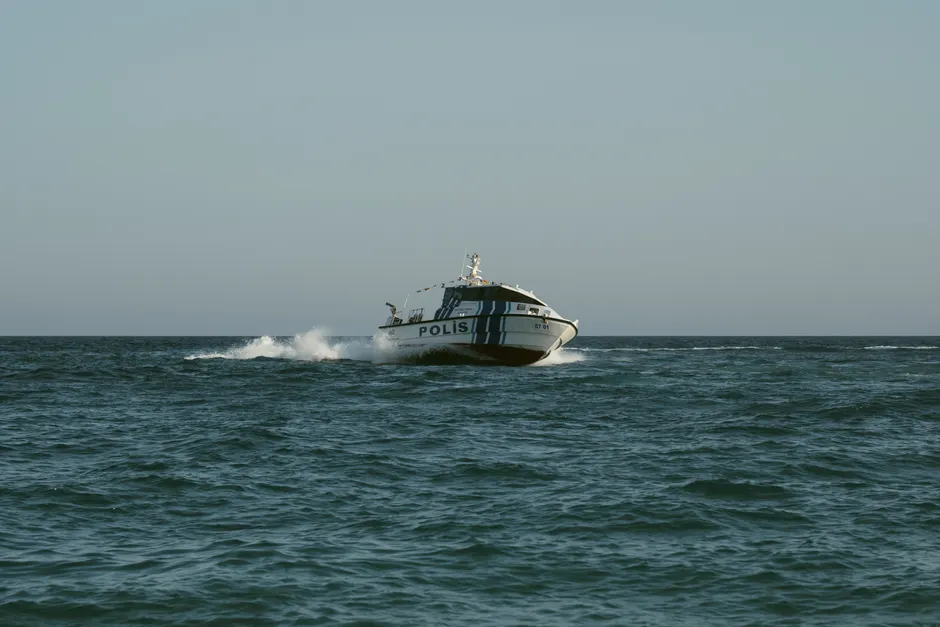
China's Coast Guard announced on July 4, 2026, that it was stationing boats permanently east of Taiwan to conduct patrols. Until now, China had sent rotating teams of ships to those waters. By making this permanent and official, China is signaling it plans to keep them there indefinitely.
This wasn't a sudden move. Chinese coast guard ships had already been patrolling east of Taiwan since at least June 1. When the United States, Britain, France, and Germany all complained about the activity, China's government dismissed their concerns. Officials in Beijing said the patrols were routine and that the waters belonged to China.
Why the Eastern Side of Taiwan Matters
To understand what's happening, you need to know the geography. China has long had coast guard ships in the Taiwan Strait—the channel between mainland China and western Taiwan. But the waters east of Taiwan are different. They're deep, open onto the Philippine Sea, and are how ships normally reach Taiwan from the ocean. This eastern side has historically felt safer to Taiwan because China's ships usually stayed in the strait. Now China is extending its presence to this new area, which changes the situation.
Taiwan's government called these patrols a "provocative act" and said its military would work closely with Taiwan's own coast guard in response. On July 1, three days before China made the patrols permanent, Taiwan told its own ships in those eastern waters to ignore any orders from Chinese coast guard vessels to stop and be searched. This put civilian sailors in a difficult spot: Chinese law says coast guard officers can board and inspect ships in waters China claims. But Taiwan says those same waters aren't under Chinese law.
On the same day Taiwan gave that order, China told the United States to be careful about the Taiwan issue. The timing suggests Beijing was warning Washington not to send ships or escalate the dispute before the July 4 announcement.
A Pattern That Repeats
China's approach follows a familiar playbook: send ships to an area, keep sending them so people get used to it, use official-sounding language like "law enforcement" and "jurisdiction," and then treat the new situation as normal. Each step by itself doesn't look like a military action. But together, they shift what seems normal, and they make it harder for anyone to object later.
It matters that four major Western countries—the United States, Britain, France, and Germany—spoke up together about this. Europe has been getting more involved in Asia-Pacific issues since 2021, but public statements about China's coast guard near Taiwan represent real diplomatic risk for European countries because they have significant business with China. Whether they'll go further and coordinate military responses—like sailing ships through the area or sharing intelligence with Taiwan—is still unclear.
Taiwan faces a practical challenge right now. Its government told ship captains to refuse Chinese inspections, and its military promised to work with the coast guard. But enforcing that requires Taiwanese ships and planes to be there constantly, and Taiwan hasn't explained publicly how it will actually do this. The line between a coast guard patrol and a blockade is thin—it depends on how many ships are there, how aggressive they are, and whether they actually try to stop and search vessels. We haven't seen that tested on a large scale yet east of Taiwan.
What China just announced transforms occasional pressure into a permanent operational presence. That shift itself may affect how sailors, fishermen, and traders operate in those waters going forward.


