Deadly U.S. Heat Wave Kills Dozens, Affects 140 Million People
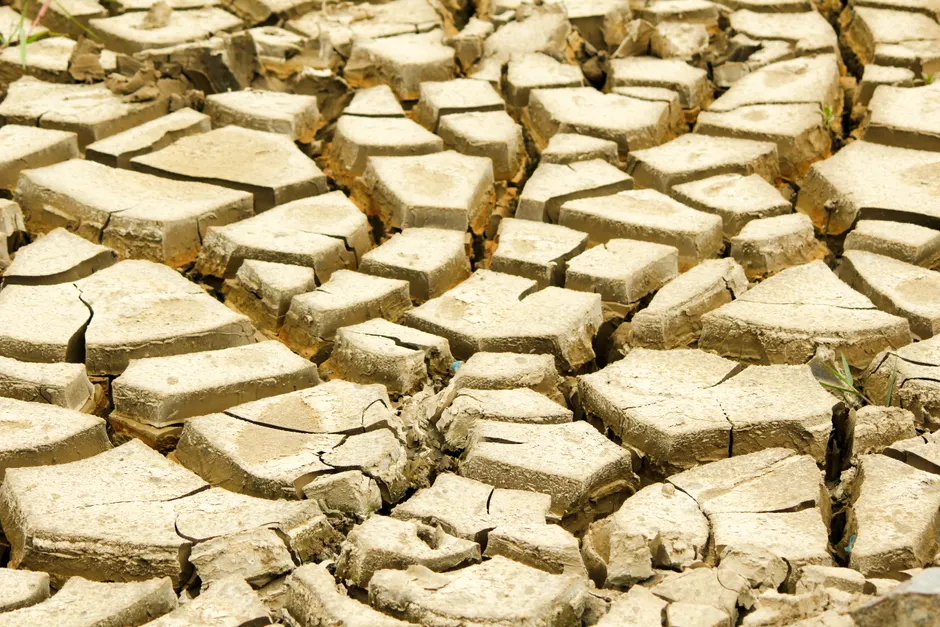
At least 24 people have died across the United States in an intense heatwave that has placed more than 140 million people under heat alerts as of Sunday, July 5, 2026. Temperatures above 100°F (38°C) have spread across more than 20 states. What's happening is a heat dome — a weather system that acts like a lid, trapping hot air over a region and making temperatures climb even higher than they normally would for several days in a row.
Where the Deaths Occurred
New Jersey has been hit the hardest. State health officials recorded 22 deaths linked to the heat across 10 counties. The first person died on Thursday, July 2. The victims were between their mid-30s and 80s. Many were in homes without air conditioning. Others were found outside — on streets or in parked cars. The New Jersey Department of Public Health said this is not a normal summer heat event. In a statement, the department noted: "This type of heat can quickly become life-threatening to humans and to animals of all ages."
Illinois also reported at least one death in Cook County. A government spokesperson told NBC News the person had an underlying heart condition, but the extreme heat made it worse. This pattern — where heat contributes to a death but isn't listed as the main cause — is common. It means the total number of heat deaths is often harder to count than it seems.
Mississippi confirmed at least two deaths. In Hinds County, a 74-year-old man died on July 2 after being found behind a gas station. The county coroner said he had a medical condition that affected his judgment. In Bolton, an 83-year-old woman died on June 27 after falling in her garden and being unable to get up for hours in the extreme heat.
Heat Alerts and What's Coming
The National Weather Service has issued Excessive Heat Warnings for parts of Pennsylvania and Illinois. These warnings go into effect when the Heat Index — a measure that combines temperature and humidity to show what the heat actually feels like — reaches 113°F or higher. The NWS noted that several days of near-record temperatures make the danger worse.
Reuters reported on July 4 that tens of millions of Americans were already under heat warnings as the Fourth of July holiday began. The good news: the National Weather Service says cooler air moving down from the north should ease the worst of the heat in the coming days.
Why This Matters
The places where people died tell an important story. Those without air conditioning, those in parked cars, those outside in the heat — they reflect a clear pattern in how heat kills. Cooling systems are not evenly available everywhere. Wealthier areas and major cities with hot climates — like Phoenix or Houston — have built up ways to handle extreme heat. New Jersey and the Mid-Atlantic region do not usually experience this kind of sustained, dangerous heat, so they are less prepared.
There is another timing concern worth noting. The FIFA World Cup final is scheduled for July 19 at MetLife Stadium in New Jersey. Tens of thousands of people will attend. Organizers and health officials will need to watch whether the heat damage to the region's power systems and water supply, combined with large crowds, could create safety problems. The forecast for cooler weather gives them two weeks to prepare, but that is not much time.
The death toll will likely increase. When medical examiners finish their investigations, the number will probably be higher than 24. Heat deaths are notoriously undercounted at first. It typically takes weeks or months for public health officials to calculate the true number. What is clear now: this event has crossed from a weather story into a public health crisis.