Why Uber Is Pausing Its Expansion in Some European Countries
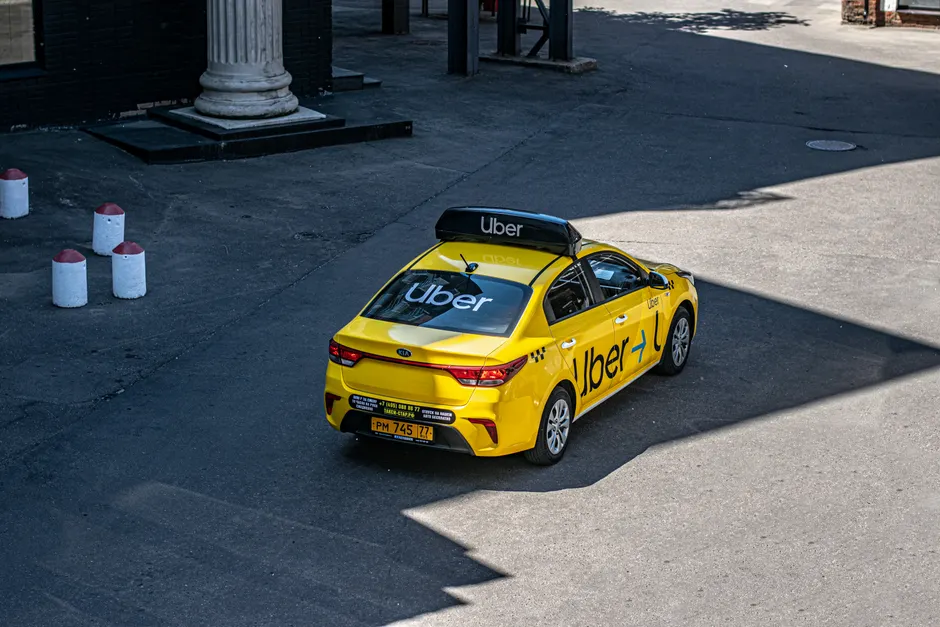
Uber has put plans to launch its food-delivery service on hold in five European countries. The company had announced in February that it would enter seven new markets across Europe in 2026. Now it is proceeding with only two — Finland and Denmark — while pausing the others, which include Austria, Norway, and Greece.
Uber confirmed this decision to the Financial Times on 5 July. The company says it wants to focus on the two markets where it has already launched and make sure those are working well before opening new ones elsewhere.
That reasoning makes practical sense. When a delivery platform like Uber enters a new country, it needs to recruit local drivers, get approval from local authorities, and build customer demand — all at the same time. Doing this across seven countries simultaneously requires a lot of resources. Starting with two successful launches before expanding further is a sensible way to manage that.
But there is another layer to this story. Uber is trying to buy Delivery Hero, a European delivery company. Uber made an initial offer of 10 billion euros in May 2026; Delivery Hero rejected it. According to Reuters, citing Financial Times reporting, Uber has since been considering a higher bid. The deal is still in progress.
Delivery Hero already operates in Austria, Norway, and Greece — the exact countries where Uber has paused its own plans. An industry source told TechCrunch that by pausing these launches, Uber may be trying to avoid antitrust concerns. In other words, if Uber launched in these countries on its own and then bought Delivery Hero, the combined company would have a very large share of the delivery market in those places. Regulators might see that as anti-competitive. By staying out for now, Uber keeps its options open and makes it easier to argue that buying Delivery Hero is just another way to enter these markets, not a way to shut out the competition.
It is important to note that Uber's official explanation focuses on operational strategy — focusing its resources — rather than the regulatory angle. An industry source brought up the antitrust concern, not Uber. Both explanations could be true at the same time: Uber could be pausing for real operational reasons and also be mindful of regulatory concerns.
The two explanations matter differently for the future. If Uber successfully buys Delivery Hero, it will gain a presence in Austria, Norway, and Greece through that acquisition, so it may not need to launch independently. If the deal falls through, Uber could go back to its original plan and launch in those markets on its own.
European regulators have paid close attention to big acquisitions in the food-delivery sector before. Companies like Deliveroo and Just Eat have faced regulatory scrutiny when buying local competitors or entering new markets. Uber is in a tricky position: it is trying to negotiate for a higher price on Delivery Hero while also trying not to look like it is aggressively trying to take over markets where Delivery Hero already operates.
In short: Uber is managing two separate plans at the same time. One is expanding into new European countries, which it announced in February. The other is buying Delivery Hero. The pause on five launches means Uber is waiting to see what happens with the acquisition before deciding its next steps.