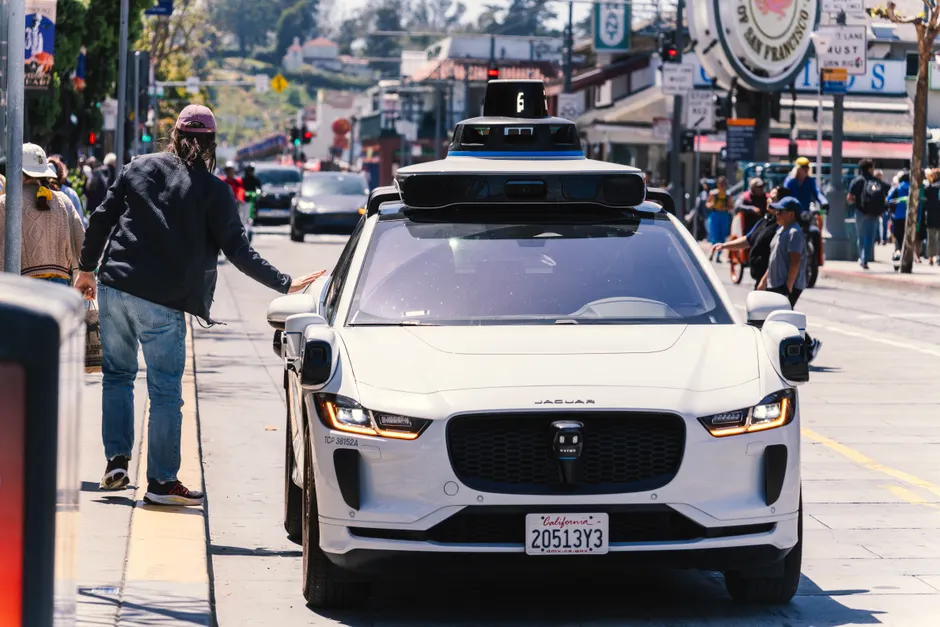
Waymo Just Left Uber in Phoenix. Here's What That Means.

Waymo has stopped offering self-driving rides through Uber in Phoenix. This ends a partnership that started in October 2023.
Waymo and Uber teamed up in May 2023 with a simple plan: Waymo would run the self-driving cars, and Uber would let people book them through Uber's app. Phoenix, a sprawling city with wide streets and predictable weather, was the first place this happened at real scale. Waymo handled everything about the cars themselves. Uber handled the booking app and payment. It worked. By October 2023, people in Phoenix could order a Waymo and ride without a human driver.
Things expanded from there. A few months later, Waymo started delivering Uber Eats orders with its self-driving cars. Then, in September 2024, both companies announced they were bringing the service to Austin and Austin launched in early 2025. Throughout this time, Waymo was running hundreds of thousands of rides every week across all its cities.
Now Waymo has pulled out of Uber in Phoenix. But here is the important part: Waymo's own self-driving service, called Waymo One, still operates there. Only the Uber channel is gone.
What does this actually change. Phoenix is still Waymo's best-operating city. It has the right roads, the right weather, and years of data about how to drive there safely. Losing Uber as a way for people to request rides is one fewer option, but it does not change how well Waymo can actually operate the cars. From Uber's side, Phoenix was always the testing ground. Austin and Atlanta are where the real expansion is happening.
The partnership was never perfectly balanced. Waymo needed Uber's customer base to get ride numbers high enough to make the business work before spending money to acquire customers itself. Uber needed self-driving cars to stay relevant as more cities got autonomous vehicles. These goals lined up in 2023. Whether they still line up in Phoenix specifically, neither company has said.
Right now, Waymo is the only company running fully driverless commercial rides at real scale in America. A competitor called Cruise paused operations after a serious safety problem in late 2023. Others are still in early testing. This gives Waymo leverage when negotiating partnership deals. As Waymo's own app grows and gets more customers, it makes sense that the company would be less dependent on Uber.
For anyone watching how self-driving cars move from experiment to business, the Phoenix story teaches something important. Building a self-driving taxi service takes years: mapping cities perfectly, teaching the car to handle unusual situations, getting approval from regulators, and keeping thousands of vehicles maintained. Making the business work is different. It means figuring out how to get customers, whether partnerships still make sense, and when to operate independently. The Waymo-Uber partnership showed that autonomous rides could work in real cities with real customers. The fact that it is being unwound in its starting point does not mean the technology failed. It means the business model is still being figured out.