Russia Strikes Kyiv Again—And the Timing Is No Accident

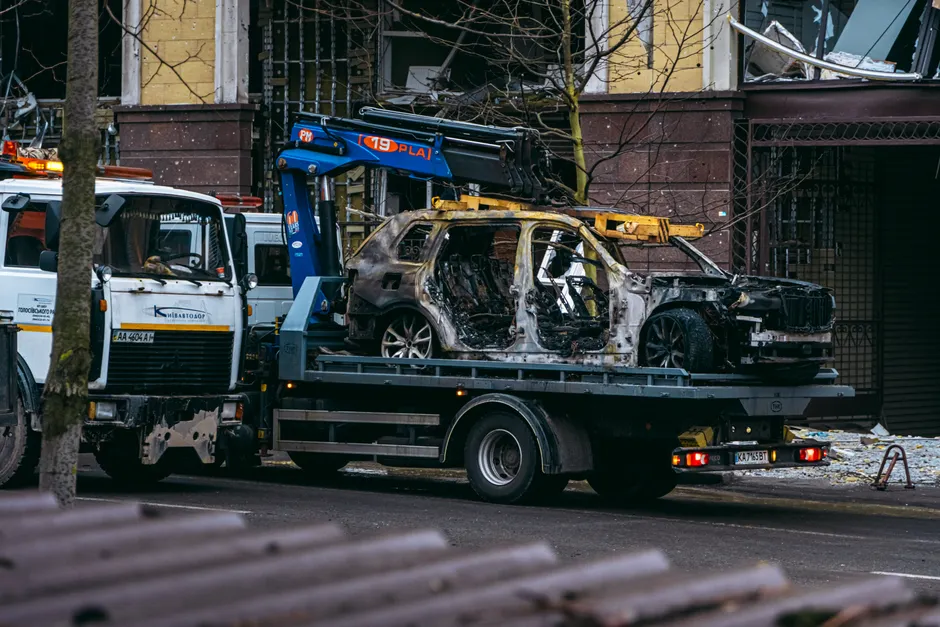
Russia launched a major attack on Kyiv and its surrounding areas on Monday, July 6, 2026, using both ballistic missiles and drones. At least eight people were killed and 34 others were wounded. This was the second attack of this scale on Ukraine's capital in less than a week.
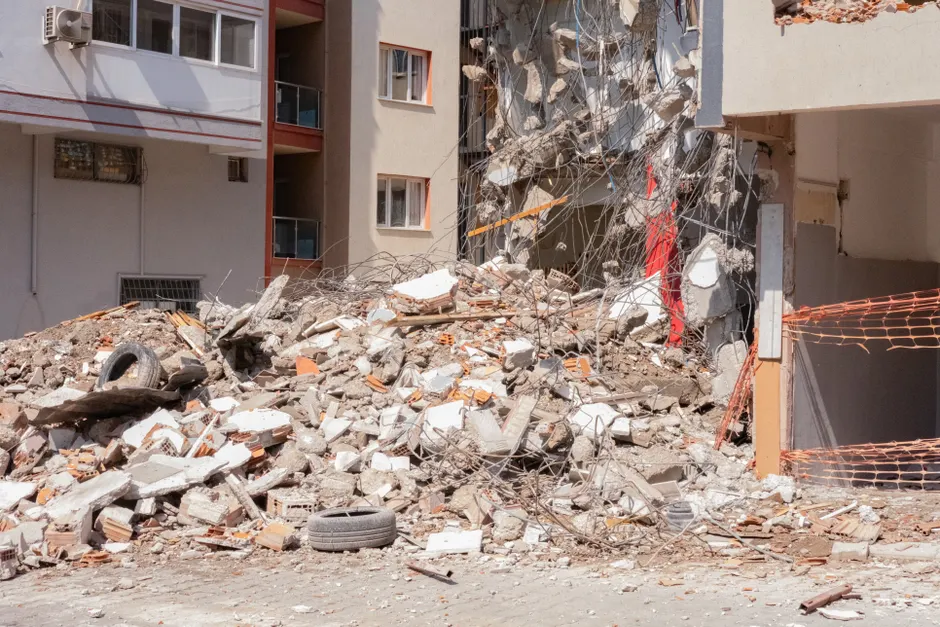
Seven of the dead were killed in Kyiv itself; one was killed in the Bucha district, according to The Guardian. Tymur Tkachenko, the official in charge of Kyiv's military administration, confirmed that Russia was using ballistic missiles and said both apartment buildings and homes were hit. Mayor Vitali Klitschko reported that rescue teams were pulling people from rubble while air defences were still active, and he asked residents to stay in shelters.
This attack comes just days after another one. On July 1-2, a similar missile-and-drone strike killed at least 27 people, leading the mayor to declare a day of mourning in a city of about three million people, per Reuters. Two major attacks on the capital in one week is unusual. It suggests Russia is not just using more firepower, but is also sending a message.
Why the Timing Matters
The date of this attack is significant. NATO—the military alliance of Western countries—was holding a summit in Ankara starting on Tuesday, July 7. Russia struck Kyiv the night before the summit opened. This pattern tells us something about Russian strategy.
When major Western meetings happen, Russia often times attacks to grab attention. These strikes reach two audiences at once: the people of Ukraine experiencing the violence, and the Western leaders gathering to discuss how to help Ukraine. At the Ankara summit, NATO would be discussing Ukraine's air defences, whether Ukraine can use Western weapons to hit targets inside Russia, and how fast weapons can be delivered. By striking Kyiv with ballistic missiles—which are harder to shoot down than other weapons—Russia was giving the NATO allies real, fresh information about gaps in Ukraine's defence system.
What This Pattern Means
There are two reasons these back-to-back attacks matter. The first is practical. When Russia launches so many strikes in quick succession, it drains Ukraine's stockpile of interceptors—the missiles that shoot down incoming attacks. Think of it like a goalkeeper facing too many shots at once and running low on energy. Ukraine has to choose which incoming missiles and drones to defend against, because it doesn't have enough interceptors for everything.
The second reason is political. When Kyiv is under attack right as NATO leaders meet to discuss Ukraine's security, it creates a powerful argument for Zelensky, Ukraine's president. He can point to the fresh destruction and make the case that Ukraine needs more air defences and perhaps permission to use Western weapons to strike the bases where Russia launches its attacks. Whether NATO will agree to either of these things is now the immediate question hanging over the summit.
Russia has not released any official statement about the July 6 attack, which follows its usual practice of neither confirming nor explaining these strikes. The casualty numbers come from Ukrainian officials and have not been checked by independent sources. The death toll may go up as rescue workers continue searching through damaged apartment buildings.