Ebola Is Spreading Fast in the Congo — Here's What's Going On

By 4 August 2026, the Democratic Republic of the Congo (DRC) had reported 3,973 confirmed Ebola cases, 1,801 deaths, and 776 recoveries across 51 health zones in five provinces, according to the WHO and Africa CDC (WHO, 6 August 2026). The outbreak is caused by the Bundibugyo virus, a less common type of Ebola. It is the 16th Ebola outbreak in the DRC since the disease was first identified in 1976 (WHO AFRO).
Ebola is a severe viral disease that spreads through contact with bodily fluids of infected people. It causes fever, bleeding, and organ failure, and it can be deadly in a large share of cases. The DRC, a vast country in central Africa, has dealt with Ebola outbreaks repeatedly over the decades.
The outbreak began in the Mongbwalu and Rwampara health zones of Ituri Province in the country's northeast. The WHO confirmed the Bundibugyo virus as the cause on 15 May 2026 (WHO AFRO, 15 May 2026). At that early stage, 246 suspected cases and 65 deaths had been reported across those two zones (CIDRAP, 15 May 2026). By 16 May, Ituri Province had recorded eight laboratory-confirmed cases among 246 suspected cases and 80 suspected deaths (WHO, 17 May 2026). Two days later, the number of suspected cases across seven health zones in Ituri and North Kivu had risen to 516 cases with 131 deaths (WHO).
On 17 May 2026, the WHO and Africa CDC jointly declared the Ebola epidemic in the DRC and Uganda a Public Health Emergency of International Concern, or PHEIC (WHO, 17 May 2026). A PHEIC is the highest global alert the WHO can issue for a disease outbreak. It is designed to coordinate countries and resources worldwide. The declaration came just two days after the outbreak was confirmed, while confirmed cases were still in single digits. The speed of the declaration reflected two things: the disease had already crossed the border into Uganda, and by 30 July the death rate among confirmed cases stood at 44% — meaning 44 out of every 100 confirmed cases ended in death (1,587 deaths among 3,605 confirmed cases) (WHO DON, 1 August 2026).
By 23 June 2026, the DRC had reported 1,094 confirmed cases and 277 confirmed deaths, while Uganda had reported 20 confirmed cases and two confirmed deaths (ReliefWeb). The case count roughly tripled from about 1,100 in late June to nearly 4,000 by early August. Over the same period, the outbreak expanded from two health zones to 51 health zones across five provinces, showing how fast the disease was spreading geographically.
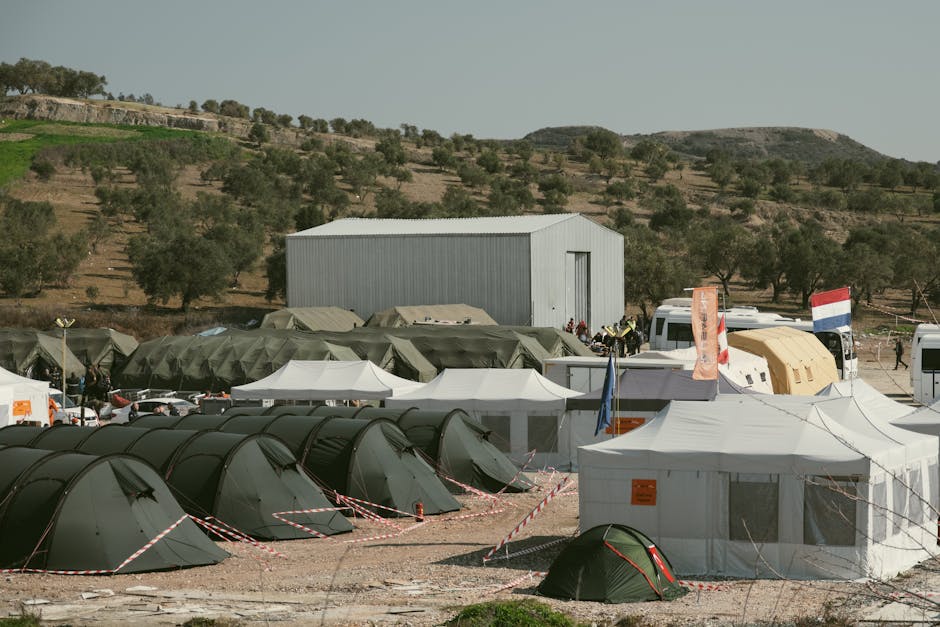
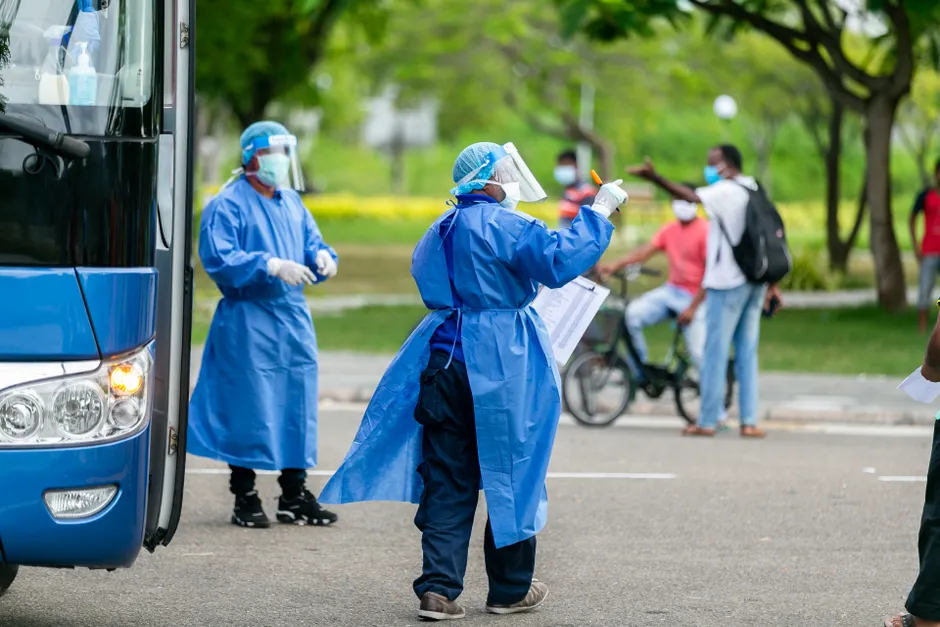
On the ground, infection prevention measures are visible at treatment sites. Health officials and humanitarian workers undergo temperature screening and handwashing before entering the Ebola treatment centre in Rwampara (Africa Center, 23 June 2026). The Rwampara Treatment Centre has received new medical kits to help treat patients and support frontline health workers in Ituri (Africa CDC, 14 June 2026). As of 9 August 2026, WHO AFRO had published its Weekly External Situation Report 13, the thirteenth in the series covering the DRC and Uganda outbreak (WHO AFRO, 9 August 2026).
Several factors make this outbreak especially difficult to contain. Ituri Province has been the site of long-running armed conflict involving dozens of militia groups, which makes it hard to track who has been exposed, monitor contacts, and send vaccination teams into affected areas. The expansion into North Kivu, another historically unstable region, brings the outbreak into areas where communities have previously distrusted authorities and outside responders. The Bundibugyo virus is also less common than the Zaire type of Ebola, which means the licensed vaccines and treatments — developed and tested against the Zaire type — may not work as well against this species.
The broader context here is that the DRC has faced repeated Ebola outbreaks over five decades, but this one combines several major risk factors at once: a rare virus species, an active war zone, spread across international borders, and a 44% death rate. Few previous outbreaks in the country have presented all of these challenges simultaneously. The PHEIC declaration was meant to mobilize international resources and coordination, yet the rising case count through August suggests the disease is still spreading. The call by the WHO and Africa CDC for "urgent community-led action" signals that top-down approaches alone have not been enough.
With 776 recoveries recorded against 1,801 deaths as of 4 August, the numbers give a sense of how patients are faring, but without more detail on how quickly people sought treatment, how full the treatment centres were, or what medications were available, it is hard to fully assess what determines survival in this outbreak from public reports. The thirteenth weekly situation report suggests reporting is active and ongoing, and the trajectory will depend on whether the disease keeps spreading faster than the response can keep up.