Scotland Wants to Pause Giant Computer Data Centres—Here's Why It Matters
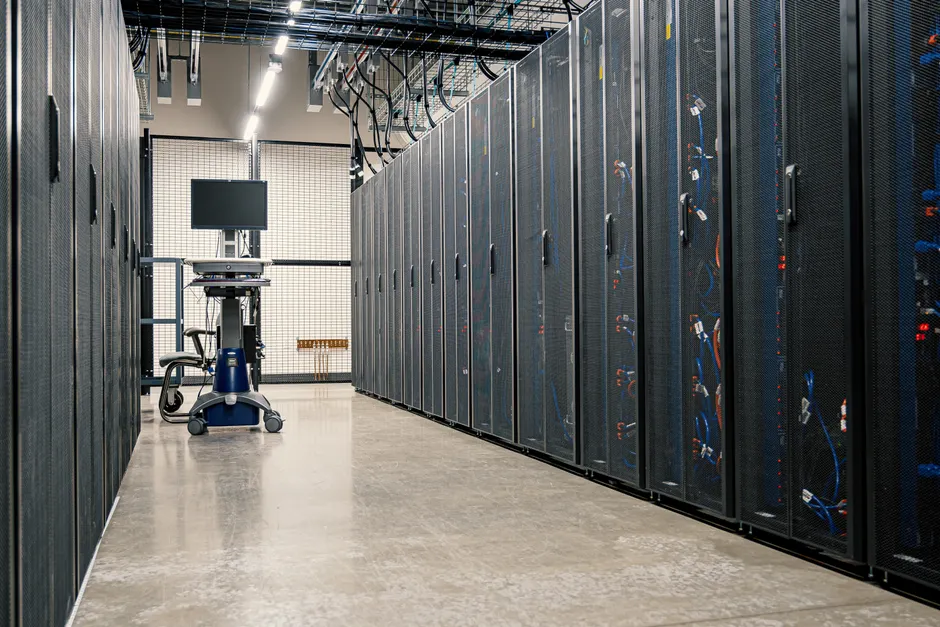
Scotland's SNP party voted on 5 July 2026 to ask the Scottish government to freeze construction of new datacentres. Datacentres are massive buildings that house thousands of computers running AI and other services. This freeze would stop any new projects that haven't yet received planning permission — which could halt a large chunk of the UK's planned AI computing facilities.
Why is this a problem? Scotland is planning to build 24 giant datacentres. Together, they would use more electricity than Scotland can currently supply to its homes and businesses. Imagine filling a house with appliances that need more power than the entire electrical system can deliver. Something has to give: either the grid gets a major upgrade, or other users lose power.
Environmental groups have been pushing for this freeze since March 2026. But at the council meeting, a representative named Lesley Backhouse explained the issue in simpler terms: these datacentres would be ugly, intrusive buildings that don't fit the local landscape. That's the argument that will likely matter to Scottish politicians, since they control local planning rules.
The Flagship Site in Trouble
This decision comes at a bad time for one major project. The UK government had picked Lanarkshire in Scotland as a special "AI growth zone" — a place where the government wants to concentrate AI computing. Prime Minister Keir Starmer made this a central part of his plan to keep Britain competitive in AI. But The Guardian reported on 6 July 2026 that the project developer and UK government may have oversold how feasible the Lanarkshire hub actually is. A local politician named Graham Simpson has been questioning the plans.
If Scotland blocks new datacentres, it directly undermines promises the UK government has already made to companies and investors who were counting on these growth zones.
Trouble in London Too
The UK government's strategy is looking shaky. There are reports that Andy Burnham may become the next Prime Minister, and he is reviewing parts of Keir Starmer's technology policy. That means the current AI investment plan might not even survive in London.
On top of that, Chi Onwurah, who leads a parliamentary committee on science and technology, called the UK's AI investment strategy "very opportunistic." She meant it lacks real strategic thinking. So the UK government faces doubt from its own lawmakers about whether this plan makes sense.
Scotland is now pushing back too. That's a squeeze from two directions: London doubting the strategy, and Scotland resisting it on the ground. Building these datacentres takes years of work on the electricity grid and planning approvals, and needs both the Scottish and UK governments working together. If anything breaks, the whole project gets delayed.
What Happens Next
The SNP's vote is not a law. Scottish government ministers have to decide whether to actually enforce the freeze. They face competing pressures: bringing in jobs and investment, meeting climate change targets, and avoiding anger from local communities.
Technically, blocking new applications is the easy part. Stopping projects already part-way through the approval process is much harder under planning law. The SNP used careful language — "not yet received planning permission" — which suggests they knew the difference.
The vote gives Scottish ministers political permission to act. Whether they will depends on three things: how the Lanarkshire controversy develops, whether Burnham changes UK policy in London, and how much public pressure builds around the energy problem. The SNP has put the issue on the table. What the Scottish government does next will determine what actually happens.