Seattle Hits the Brakes on New Data Centers for a Year
Seattle Hits the Brakes on New Data Centers for a Year
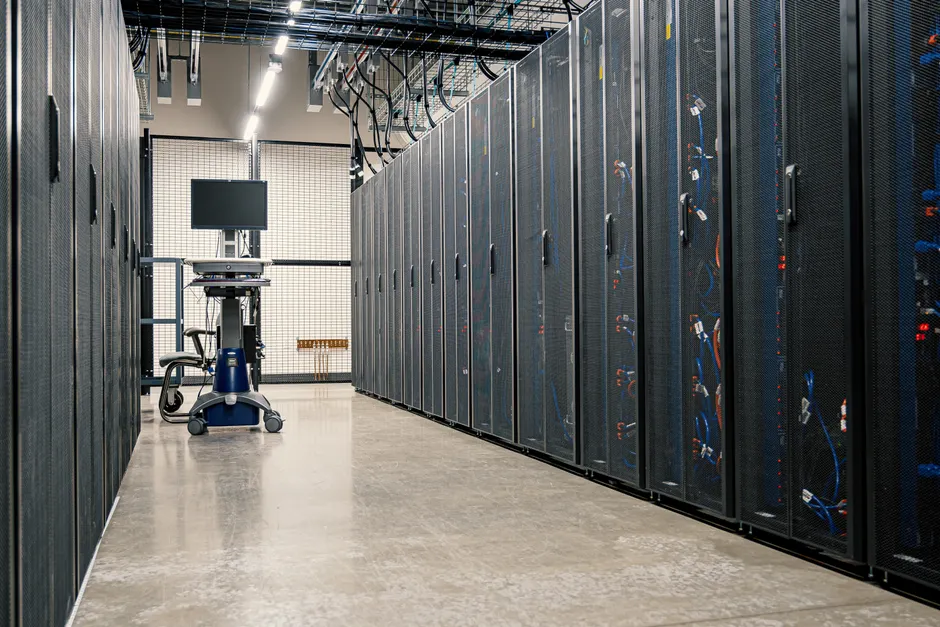
Seattle's City Council is moving to block new large data centers from being built in the city for the next 12 months. Councilmember Eddie Lin and two colleagues introduced the measure after four companies proposed building five enormous facilities that would use roughly one-third of all the electricity Seattle uses each day.
To be clear: Seattle already has about 30 small data centers running quietly in the background. They mostly handle regular internet traffic. This moratorium is about stopping new mega-sized ones — the kind that would guzzle 10 megawatts of power or more. (A megawatt is roughly what 750 homes use in a day.)
Mayor Wilson has said she supports the idea, and the city is now working on rules about how data centers would operate if they ever get built.
What Triggered This Move
The council got thousands of emails from residents worried about data centers. People asked: Will our electric bills go up? Will it hurt our neighborhoods with pollution and noise? Will Seattle have enough power for everyone who lives here?
Two companies even pulled their plans to build data centers here. That tells you how serious the pushback became — developers started looking elsewhere before the city even officially said no.
The city is also planning to study what data centers actually do to a city. They want to look at power usage, water consumption, air and noise pollution, local jobs, and what it all means for regular people's utility bills.
The Real Concern: Your Electric Bill
Here's what's really driving this: Seattle City Light, the local utility company, is worried about costs. If a giant data center moves to town and uses huge amounts of power, who pays for the wires and infrastructure to make that happen?
The concern is that residential customers — you and your neighbors — end up paying part of the bill for corporate tech infrastructure. That's the worry council members like Lin are flagging.
The city is now writing new pricing rules so that large data center customers would have to handle their own power sourcing rather than rely on the standard grid that serves homes and small businesses.
Why This Is Happening Now
Data centers use enormous amounts of electricity, especially ones powering artificial intelligence. Demand for computing power is growing fast across the country. Cities everywhere are wrestling with this: How do we let tech companies build what they need without overloading our power systems or forcing homeowners and small businesses to pick up the tab?
Seattle has a particular stake in this. The city has cheap, renewable power from Seattle City Light — which makes it attractive to tech companies. But it also means Seattle residents need their power system to serve them first.
A year-long pause is meant to give the city time to figure out rules that work for everyone before more companies show up with plans.
What Happens Next
The mayor's office is telling city departments to work together on a real data center policy. That's the move: don't just say no for a year, but use that year to build rules that actually address the problems people raised.
The 12-month window creates what you might think of as a breathing room. It stops a rush of new projects before the city knows what the impacts will be. It's a way of saying: let's study this first, then decide.
How Seattle handles this question — balancing tech growth with residents' needs — will likely influence what other cities in the Pacific Northwest do as well.