Why AI Stocks Dropped — Then Jumped Back

Wall Street futures rose on October 19, 2026, as AI and chip stocks recovered from a bad week.
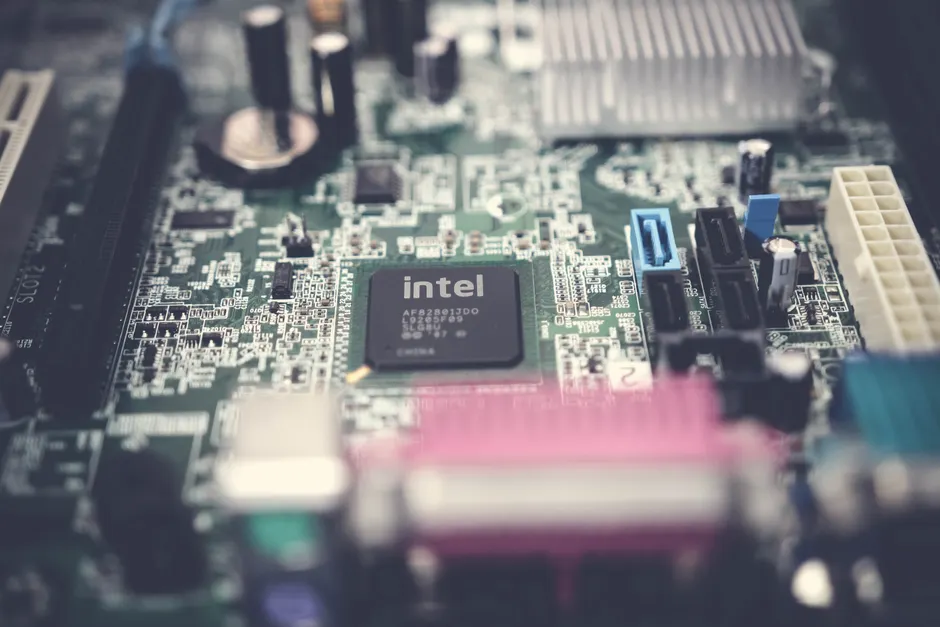
The Nasdaq rose more than 1%, with Intel moving higher early. Goldman Sachs had given CoreWeave a 'buy' rating before the bounce. Yahoo Finance Reuters
The bounce came after a sharp fall for chipmakers and other tech companies. Investors worried about money borrowed to build AI. Yahoo Finance U.S. stocks had fallen on fears that AI profits would come too slowly to pay rising borrowing costs. The Wall Street Journal
As of October 16, the S&P 500, a basket of 500 large U.S. companies held in many retirement accounts, was still up about 12% in 2026. It had hit a record high the week before, with most of the year's gain from AI-related tech stocks. Reuters
The worst losses were in neoclouds, small firms that rent out AI computer power. CoreWeave and Nebius each ended the week ending October 16 down more than 25%. Yahoo Finance CoreWeave dropped more than 11% on Friday, October 16 alone, for a weekly loss of nearly 25%. Reuters CoreWeave shares fell 12% and were down more than 50% from their 2026 highs on worries about paying back debt. The Wall Street Journal CoreWeave owed $50 billion, which fueled the selloff. Yahoo Finance
The broader context here is simple timing. It is like borrowing heavily to build apartments before any rent comes in. Lenders worry about getting repaid. Stock buyers hope for future profit. When costs rise or customers are slow, those views split and indebted stocks fall first.
In my view, the October 19 bounce does not fix that debt problem. A 'buy' rating can calm nerves. It does not change loan payments, due dates, or when AI money arrives. If AI income grows fast, pressure eases. If not, the biggest borrowers will stay shaky, and that can swing savings tied to the wider market.