Stocks Tied to AI Took a Wild Ride This Week — Here's the Plain-English Version
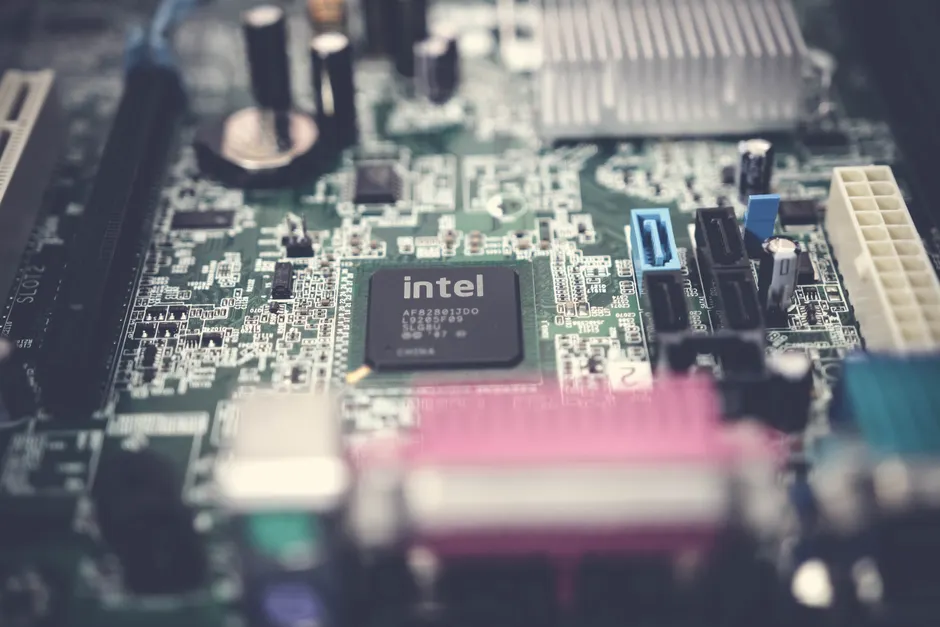
Wall Street indexes fell in the session ending July 20, 2026, as traders braced for a big week of earnings reports from Alphabet, Tesla, and Intel, according to Reuters. The declines cap a stretch in which chip and technology stocks have been thrown around by growing questions about whether companies are borrowing too much to fund their AI ambitions.
Here's the simple version: companies like Amazon, Google, and Microsoft are pouring enormous sums of money into artificial intelligence — building data centers, buying chips, developing software. Investors have been betting big that this spending will pay off. But lately, more people are asking whether the bills are getting too high relative to what these companies are actually earning back. When that worry spreads, the stocks connected to AI can drop fast.
The sell-off deepened globally around July 17–18. The Dow Jones Industrial Average — a widely watched basket of 30 major US companies — dropped 406 points, or 0.8%, and the Nasdaq composite also declined, pulling stock markets lower worldwide, per AP. World stocks fell in a semiconductor rout, with major chip stocks plunging for a third straight day as investors pulled back on AI bets, Reuters reported on July 17. The chip rout worsened that same day after a Chinese startup called Moonshot launched a new AI model it claims can compete with products from the biggest AI companies, according to Bloomberg.
That selling followed a brief window of caution. On July 16, US stock futures slipped as traders grew cautious about the AI rally, even as TSMC — a major chip manufacturer — raised its sales and spending outlook, Bloomberg reported. The fact that the market couldn't hold its gains even after a leading chip company reported good news tells you something: too many investors had piled into the same AI-related stocks, and the sheer weight of that crowded trade mattered more than one company's positive update.
Then the sell-off reversed sharply on July 21, the most recent trading session captured in the verified facts. Micron Technology shares jumped 12.2% during an AI-led rally on Wall Street, adding to a prior 1.9% gain, AP reported. Nvidia added 2% and settled at $91.01 during the same rally. The scale of the reversal, coming just one session after a global sell-off, shows how volatile these stocks have become — when relatively few buyers and sellers are active, prices can swing hard in both directions.
This is not the first time AI stocks have taken a hit in 2026. On June 23, the Philadelphia Semiconductor Index — a list of 30 major chip companies used as a barometer for the industry — fell 7.9%, with all 30 members affected, after investors scrutinized growing debt-funded AI spending, per Reuters and Bloomberg. Those stocks had more than doubled in 2026 before that plunge, Bloomberg noted. Two days later, on June 25, Wall Street ended mixed as technology shares reversed early gains and investors worried about AI spending, Reuters reported.
Earlier signals of strain appeared on July 7, when the Nasdaq 100 fell 1.6% as US technology shares extended declines after Samsung's earnings fell short of high AI expectations, according to Bloomberg. On June 7, Apple shares dropped 1.9% after investors gave a lukewarm reception to the next generation of its AI platform, Bloomberg reported. Separately, AP documented a tech-led decline in which Apple dropped 2%, Amazon dropped 2.2%, and Microsoft dropped 0.7%, making them three of the heaviest weights on the S&P 500 — a broader index of 500 large US companies. That latter report, dated July 2024, provides context for a pattern that has been recurring: when these giant companies move down, they pull the whole index with them.
The January 7 session offers a useful contrast. On that day, the S&P 500 ended lower while AI stocks such as Nvidia and Alphabet lifted the Nasdaq, Reuters reported. Think of it like a seesaw: when a handful of giant companies move in the same direction, they drag the whole market with them. But when they move differently from each other, the overall market signal gets muddled.
The broader context here is a market where the AI trade has become both the main engine of stock returns and the biggest source of risk. The chip index more than doubling before its June 23 drop, the rapid back-to-back shocks of Samsung's miss and Moonshot's competitive launch, and the 12.2% single-day rebound in Micron all point to a market where prices are being recalculated on the fly as new information comes in about whether AI spending is sustainable. For investors, the key question is whether the upcoming Alphabet, Tesla, and Intel reports will offer enough evidence to steady these stocks — or whether they will add to a pattern of high expectations meeting disappointing reality.
The stakes extend beyond technology. When Apple, Amazon, and Microsoft collectively carry the most weight in the S&P 500, a 2% drop in each translates into real downward pressure on the broader market. With the Dow already shedding 406 points in a single AI-driven session, the earnings reports coming this week will serve as a live test of whether the AI spending boom can support the stock prices that have been built on top of it.