Google's AI Assistant Is Moving Into Your Car

Google's AI Assistant Is Moving Into Your Car
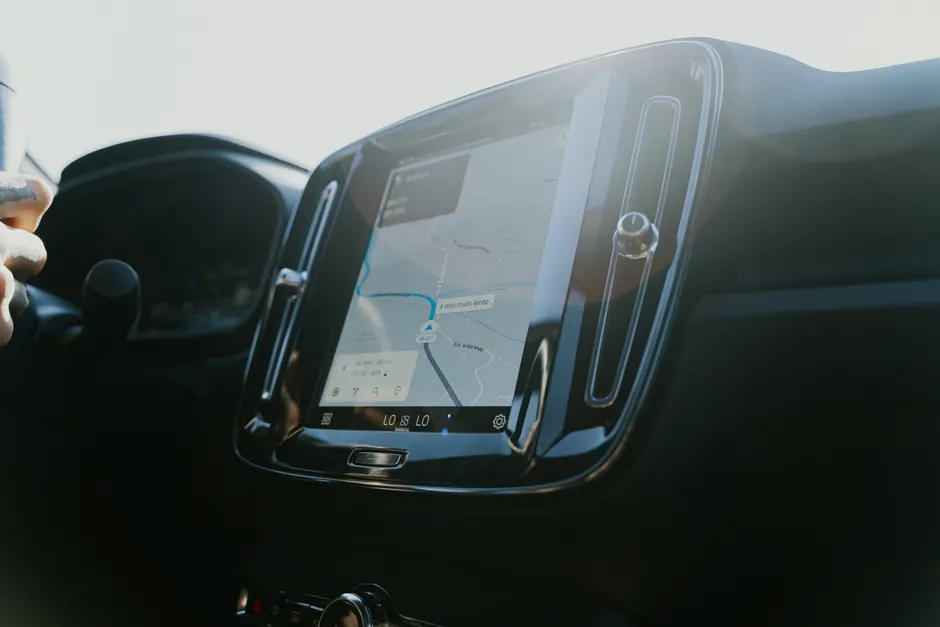
Google has announced that Gemini, its AI assistant, will be built directly into vehicles that run Android Automotive OS—Google's operating system for car infotainment systems (the dashboard screen that handles entertainment, navigation, and controls). The goal is to let you talk to an AI assistant while driving, with a focus on keeping your hands on the wheel and your eyes on the road.
More Than Just Voice Commands
This is not the same as voice assistants you might know from your phone or home speaker. Gemini in cars will be deeply wired into the vehicle itself, according to Google's announcement. It will be able to access the car's systems—like climate control, navigation, and battery status—without needing your phone nearby.
Think of it like the difference between calling a helpline (where someone on the phone helps you) versus having a helper sitting in your car who can see your dashboard and adjust things directly. Gemini will understand what's happening in your vehicle and what's on your calendar, and it could, for example, suggest a charging stop if your battery is low and you have a long drive ahead.
Built for Safety
Because you are driving, Google is designing Gemini for cars differently than the version on your phone. The assistant will favor short, useful exchanges—not long conversations—and will rely on voice feedback more than requiring you to look at screens.
This reflects a real constraint: technology in cars has to account for driver safety and the risk of distraction. A feature that works fine on your kitchen counter might be dangerous while you are behind the wheel.
Why This Matters for the Car Industry
Android Automotive OS already powers infotainment systems in cars made by Volvo, Polestar, General Motors, and Renault. By adding Gemini, Google is making its car software more attractive to automakers. It gives them an advanced AI feature without having to build one themselves.
This is part of a bigger shift. Automakers increasingly view the dashboard and AI capabilities as ways to stand out from competitors, not just basic features. They are also moving toward vehicles that can receive software updates over the internet, much like your phone does.
A Pattern We Have Seen Before
The arrival of AI in vehicles follows a pattern we saw with smartphones a decade or so ago. Technology companies began moving capabilities from distant data centers onto the device itself, so things would work even without a signal. Cars are amplifying this need: they drive through tunnels, dead zones, and areas with spotty connectivity. The vehicle cannot depend on a cloud connection for safety features.
The broader context here is that Android Automotive OS, which has been around for a few years, is maturing. Adding Gemini signals that it is becoming a serious platform for automakers who might otherwise build their own infotainment systems from scratch.
There is one significant caveat worth noting. Gemini will have access to where you drive, how you drive, and your personal preferences—information that builds up a detailed picture of your habits. Rules around who can collect this data in cars, and what companies can do with it, are still being written, particularly in Europe where data privacy is taken seriously. This is an area to watch as the technology spreads.
How It Will Actually Work
Most modern cars have fairly powerful computers, but running all of Gemini's capabilities requires a lot of processing power. The likely solution is that basic features—safety and navigation—run locally on the car's computer, while more complex requests (like asking for restaurant recommendations) reach out to Google's servers when connected.
This hybrid approach lets the assistant work even when your car loses signal, while still giving you access to Gemini's full abilities when connected.
Who Else Is Doing This
Google is not alone. Amazon is working on AI features for cars with Alexa. Apple is expanding what CarPlay can do. Traditional car suppliers are also developing AI dashboard systems. Automakers will have to decide: use one of these ready-made platforms, or spend time and money building their own.
Many automakers lack the expertise to develop a competitive AI assistant. That makes Google's solution attractive—it gets advanced features to customers quickly. The tradeoff is relying on Google's technology and sharing driver data with the company.
The move shows how AI is spreading into parts of life that were not connected before. Vehicles powered by AI assistants will look and feel different. Whether this particular implementation succeeds will likely shape how other companies—and the whole auto industry—think about bringing AI into cars safely.