Discord Accidentally Banned 8,200 Users. Here's What Happened.

Discord locked out roughly 8,200 accounts over two months because of a mistake in its automated safety system. The company announced the error in a post on X, and about 200 of those wrongful bans happened in the weekend just before the announcement Engadget.
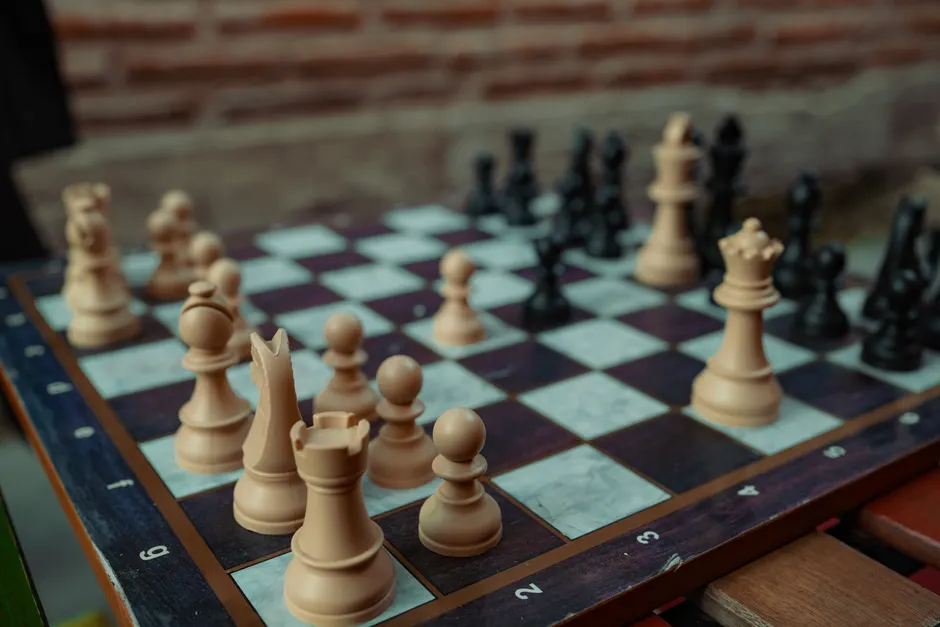
The problem started with something completely ordinary: users posting pictures of grids. Discord's safety filters mistakenly matched these images against a database of known illegal content. Caught in the net were things like chessboards, video game graphics, and screenshots of Minecraft storage boxes—all just ordinary grid patterns, nothing harmful The Verge.
To understand why this happened, it helps to know how Discord screens content. Because Discord has hundreds of millions of users, it's impossible for people to manually review every single image that gets uploaded. Instead, the platform uses automated tools that convert images into digital summaries and compare those summaries against known harmful material. When a match appears, a real person steps in to take a closer look and decide whether the ban is justified.
Normally, when an image gets flagged as suspicious, the account isn't immediately banned. Instead, uploads are put on hold while a human moderator reviews the material. If the moderator decides the content is actually fine, the account gets cleared. This human review step is there specifically because automated systems aren't perfect.
But the bug broke this system in two ways. First, accounts were being banned immediately instead of being paused for review. Second—and this is the bigger problem—even when a human moderator looked at the images and said "this is fine, clear the account," the system didn't actually follow that instruction. Users who had been approved by a real person remained banned anyway Engadget.
The really troubling part is that the bug went unnoticed for two months. During all that time, the human reviewers were doing their job correctly, but their decisions weren't being acted on. The system wasn't checking whether its bans were actually being removed when they were supposed to be.
This is an important lesson about how these systems need to work. A computer program can make mistakes when identifying harmful content—that's expected and happens on every major social platform. But once a human has reviewed the mistake and approved an account, the system absolutely has to follow through. A ban that stays in place even after a person has said it shouldn't be there is worse than an initial false alarm that gets fixed quickly.
Discord said the incident was embarrassing and that affected users should now be able to use their accounts again Engadget. The company hasn't yet said whether it will make changes to prevent this kind of thing from happening in the future, though its acknowledgment of the problem suggests that the immediate backlog of wrongly banned accounts has been cleared.