Discord Accidentally Banned 8,000 People. Here's Why.
Discord's automated system for catching bad content made a major mistake: it banned more than 8,000 users over two months for posting completely harmless images. An additional 200 people were wrongly banned over one weekend in July before the company found and fixed the problem TechCrunch. Discord announced the error on X through its @discord_support account and said all affected users are getting their accounts back.
The problem started in May. Discord uses software to automatically scan images users upload and compare them against a database of known bad material. When the system thinks something is wrong, a person is supposed to look at it and decide if the ban is fair. In this case, that human check was accidentally skipped. Instead, the system issued permanent bans on its own.
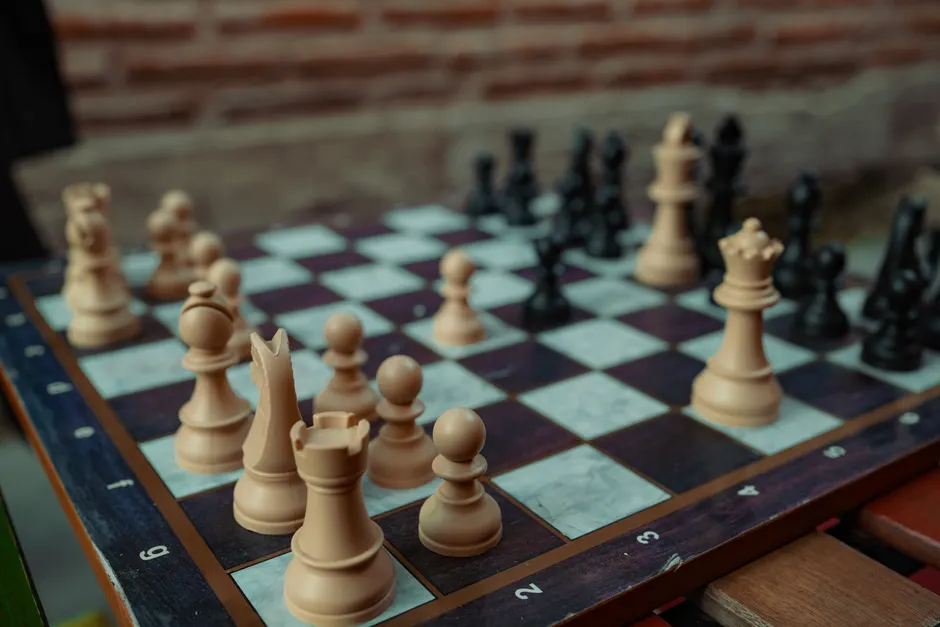
What was the system banning people for. Spreadsheets. Chessboards. Video game textures. Images with plain white or gray see-through backgrounds. Basically, anything with a grid pattern or repeating squares. People complained on Reddit and X before Discord admitted what happened. Some users guessed that the system had been trained to treat grid patterns as a warning sign, because people sometimes use grids to hide inappropriate content from automated detection. Discord hasn't confirmed this, and the company hasn't explained exactly why grid patterns triggered so many false alarms.
Discord's official statement was brief: "We're working on better safeguards so this can't happen again" @discord_support. The company didn't say what changed in May, or why the human safety check failed for two months.
This kind of problem happens fairly often with automated content moderation. The system was trained to spot one specific type of harmful content—grids that people use to hide bad material. But the AI learned a surface rule: "grid patterns are suspicious." It didn't learn to understand context. So when it saw a chessboard or spreadsheet, it saw a grid and flagged it as a problem, even though those are completely normal things.
The real failure, though, wasn't the AI itself. The real failure was losing the human safety check. That check was there specifically to catch mistakes like this before anyone's account got banned. When that check disappeared, the system could ban people permanently based only on what the AI thought—no human ever looked at the image. At a platform as big as Discord, that's the difference between a manageable number of mistakes and 8,000 people locked out of their accounts.
The fact that 200 more people got banned over a weekend after the problem was supposedly already known raises another question. How long did it take between when Discord first noticed the pattern and when engineers actually fixed it. Two months is a long time to leave broken if it's permanently banning thousands of people, which suggests either Discord wasn't treating complaints urgently enough, or the mistakes were hard to spot in the regular flow of Discord's moderation work.
Discord is now letting people back into their accounts, but the company hasn't said when everyone will be restored or whether affected users will get any apology beyond that. The company also hasn't said whether the human safety check has been fully restored or replaced with something better.
The bigger picture is that platforms like Discord have more content to moderate than any team of people could possibly review by hand. They use automated systems to sort through everything quickly, accepting that some innocent people might get caught by mistake. Discord's situation shows that having a safety net around the automated system—a real person double-checking things—is just as important as having good AI. A system that makes mistakes is one thing and can be fixed. A system that has lost its human safety check is something else, and it's what turned a detection quirk into thousands of permanent bans.