The U.S. Just Shut Down Iran's Oil Sales. Here's What Happened.

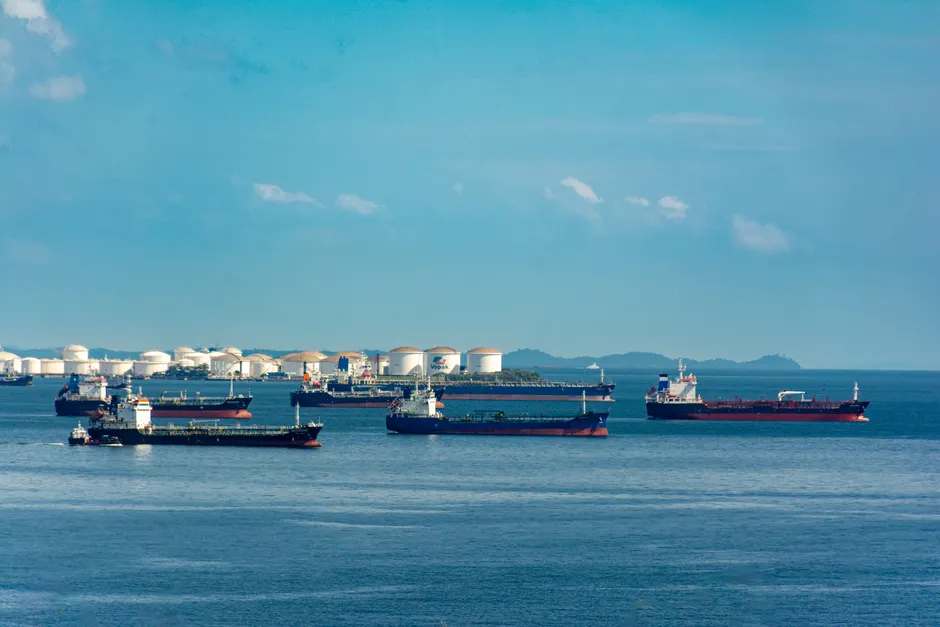
On Tuesday, July 7, 2026, the U.S. Treasury Department canceled permission for Iran to sell oil and petroleum products to other countries. The decision came just days after three ships were attacked in the Strait of Hormuz, a narrow shipping corridor between Iran and Oman CBS News.
Why does this matter? The Strait of Hormuz is one of the world's most critical oil highways. About one-fifth of all oil shipped by sea passes through it France 24. When shipping gets disrupted there, prices at the gas pump can rise.
The cancellation — what governments call revoking a waiver — ends the legal permission Iran had to export oil under U.S. sanctions. Companies that bought or sold Iranian oil under that permission will have a transition period to complete their deals OFAC The Hill.
This conflict between the U.S. and Iran didn't start with tanker attacks. It began over a year ago. On the night of June 21-22, 2025, the U.S. military struck three Iranian nuclear facilities. The most important target was the Fordow Fuel Enrichment Plant, where Iran makes enriched uranium for its nuclear program Defense Department. The U.S. used powerful bunker-busting bombs that can penetrate deep underground — the first time this particular bomb was used this way in actual combat.
After that strike, the U.S. did not pull back. Instead, it launched a series of military operations called Operation Epic Fury, with repeated strikes on Iranian military and nuclear targets over the following months.
The U.S. military justified these strikes as responses to Iranian attacks on Israel. In April 2026, Iran launched missiles and drones at Israel. Later that month, Iran attacked again, and this time some of the attacks hit U.S. personnel at a military facility State Department State Department.
But military strikes were not the only weapon. The U.S. has also squeezed Iran's finances. President Trump signed an order in February 2026 that added new financial penalties on top of the economic restrictions already in place since 1979 White House fact sheet. In the months that followed, the U.S. targeted companies that helped Iran do business in secret and money-laundering networks that let Iran get around the restrictions State Department.
Revoking the oil waiver is the biggest financial blow yet. Until now, Iran had found a small legal opening to sell some oil. That opening is now closed.
One important piece is still unknown: nobody has officially said who attacked those tankers in the Strait. It could have been Iran, an armed group that supports Iran, or someone else entirely. The U.S. has not named who did it, even as it canceled the oil waiver in response. This is similar to Cold War history — sometimes the U.S. responded to incidents in the Persian Gulf without ever formally saying who caused them. The real question now is what comes next: if Iran or groups linked to Iran strike back again in the Strait, prices at the pump could spike even higher.