Iran Attacks US Military Sites, Ending a Ceasefire Just Two Weeks Old
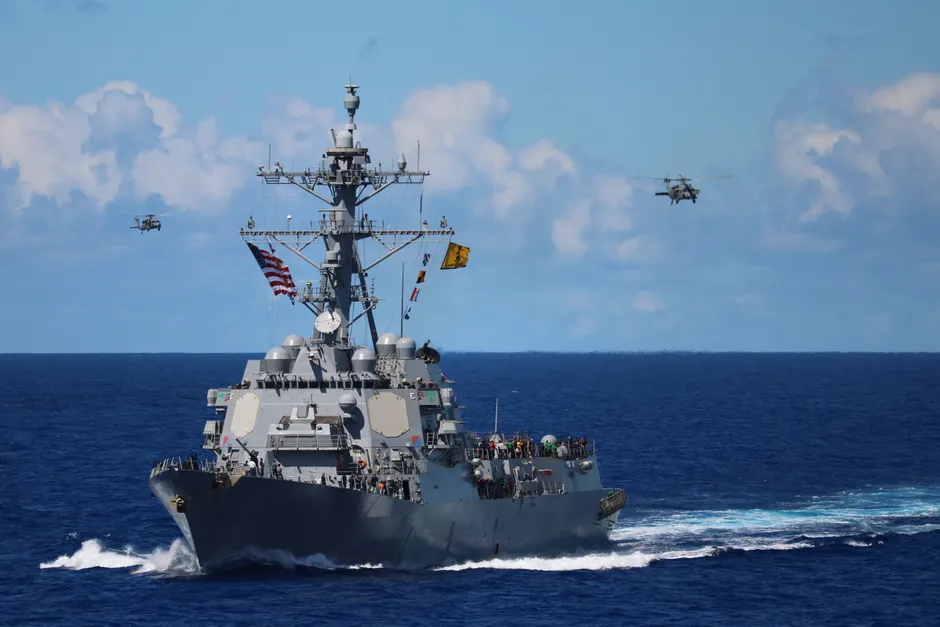
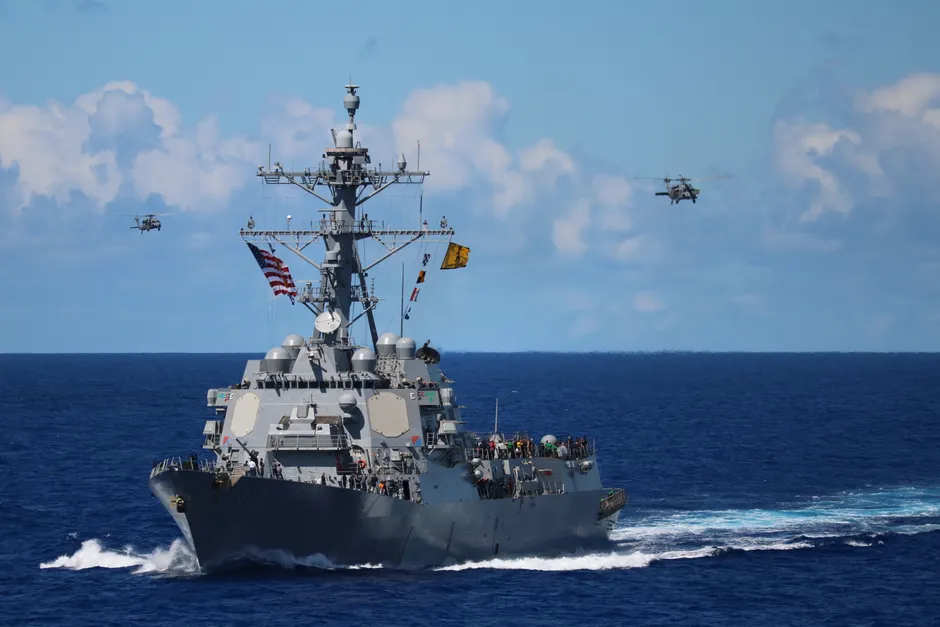
On July 8, 2026, Iran struck 85 U.S. military targets in Kuwait and Bahrain, according to the Islamic Revolutionary Guard Corps (IRGC). Iran said these attacks were retaliation for American military strikes on Iranian territory that followed damage to three ships in the Strait of Hormuz. The strikes appear to have broken a ceasefire agreement that the U.S. and Iran had reached on June 27 PressTV, triblive.com.
Kuwaiti officials said they stopped two ballistic missiles and 13 drones during the attack. The IRGC also claimed to have shot down a U.S. military drone, though this has not been confirmed by independent sources AP News, PressTV. Iran said that military facilities used to attack Iranian territory were legitimate targets—a position Iran has held for years IRNA.
President Trump said the agreement was "over" after the strikes. That ceasefire, reached on June 27, had lasted only 11 days Reuters. Throughout June, Trump had publicly said Iran was delaying peace talks and offering false terms, even as both sides discussed pausing military operations KUNA, KUNA.
The July 8 attack was not a surprise move—it followed a pattern of tit-for-tat strikes that began in early June. On June 6, Iran struck U.S. bases in Kuwait and Bahrain after a U.S. drone hit Iranian radar stations IRNA, PressTV. Five days later, on June 11, Iran launched 18 targets across two waves of missiles and drones, hitting U.S. Navy forces in Bahrain and an airbase in Kuwait PressTV. The pattern continued: each Iranian response claimed a higher number of targets than the one before it.
Kuwait has suffered beyond military sites. Iranian attacks around June 3 damaged the country's international airport, killing one person and injuring more than 60 people Reuters. U.S. officials said at the time that Iran's broader strike effort had largely failed—but that claim conflicts with the casualties and damage Kuwait itself reported.
Inside Iran, the damage to buildings is vast. As of early April, more than 125,000 civilian structures had been damaged, according to figures Iran's government has released IRNA. International inspectors found no damage to Iran's nuclear facilities in early March, according to the International Atomic Energy Agency (IAEA) KUNA.
What makes this moment different is that a negotiated pause has now collapsed. Since February, the pattern has been attack, counter-attack, brief peace talks, then more fighting. Each round of fighting claims larger numbers than the last—unspecified totals in early June grew to 18 targets by mid-June, then to 85 claimed on July 8. It is unclear whether these higher numbers mean Iran is genuinely launching bigger operations or simply announcing its strikes more prominently.
The damage to ships in the Strait of Hormuz—a narrow waterway through which much of the world's oil passes—adds a new worry beyond the U.S.-Iran military conflict. Three ships were hit, which matters not just to the two countries fighting but to energy markets globally. Trump's declaration that the ceasefire is "over" means there is no negotiation framework in place anymore.
What happens next may depend less on military strength than on what Kuwait and Bahrain decide to do. Both countries are hosting U.S. military bases but are not fighting parties themselves. They have borne the physical and diplomatic costs of a failed agreement they had little power to shape. How they choose to position themselves if talks restart could matter as much as any military calculation.