Why the US and Iran's 60-Day Truce Just Fell Apart

Why the US and Iran's 60-Day Truce Just Fell Apart
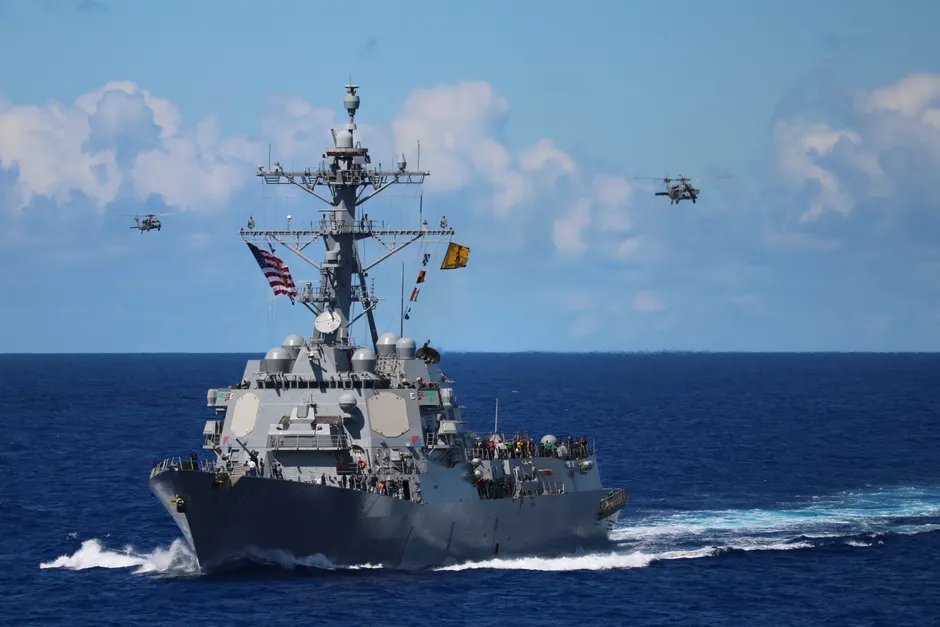
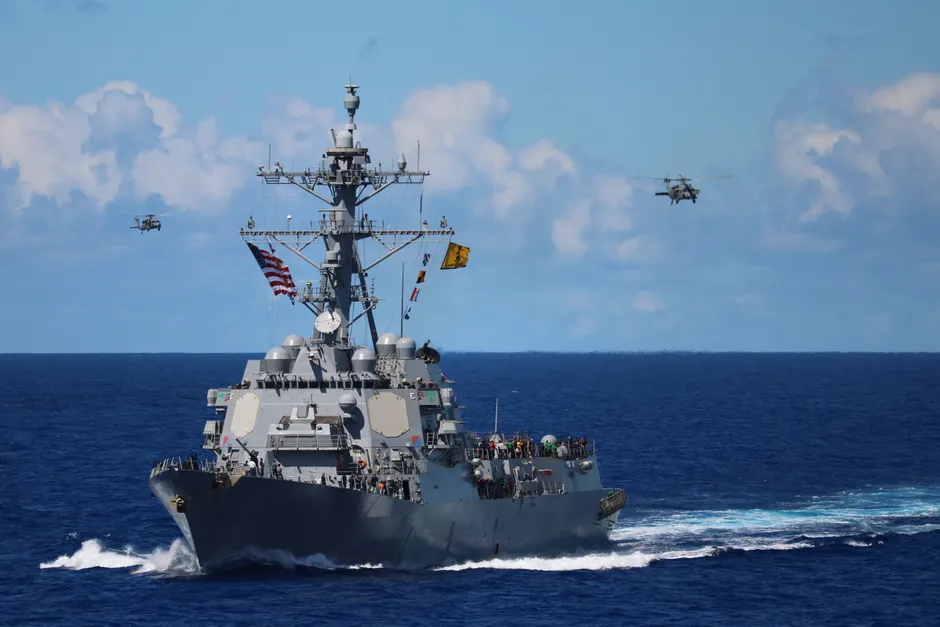
On Tuesday, the U.S. military said it had struck more than 80 targets in Iran in response to attacks on oil tankers in the Strait of Hormuz, a waterway through which roughly a third of the world's oil passes Reuters. Iranian state media reported explosions in six cities including Bandar Abbas and Chabahar, with air defense systems activated BBC.
President Trump, speaking from Turkey, declared the ceasefire with Iran "over" and said he would "probably hit them hard again tonight." He called further talks with Iran "a waste of time" — even though the agreement both countries signed on June 17 was supposed to give them 60 days to negotiate BBC.
What Started the Fighting
The trouble began with tankers. The U.S. military said it launched strikes after three oil tankers were damaged in the Strait of Hormuz on Tuesday. Iran responded by having its military fire on U.S. bases in Bahrain and Kuwait. Iran's Foreign Minister Abbas Araghchi said on social media that the strikes were "fearless" retaliation for American aggression BBC.
The U.S. characterizes this exchange as defending ships and crews that travel through what it calls a vital international waterway. Washington and Tehran, however, disagree sharply on what freedom of passage actually means.
The Same Disagreement, Over and Over
This is not the first time the ceasefire has cracked. On June 26, the U.S. struck Iran after an Iranian projectile hit a cargo ship. On June 27, it struck again following another tanker attack CENTCOM; CENTCOM. Both sides agreed to stop after each cycle. But this latest exchange is the worst clash since the agreement was signed BBC.
Why the Agreement is Falling Apart
The agreement, known as a Memorandum of Understanding, has one crucial phrase that both sides interpret completely differently. It says Iran will "make arrangements using its best efforts for the safe passage of commercial vessels" through the strait for 60 days, with no charge.
Iran's Foreign Ministry spokesman says this language means Iran gets to decide how to handle passage through its territorial waters Al Jazeera. The U.S. reads the same words to mean Iran must guarantee unfettered passage for all ships, no questions asked Al Jazeera.
When both sides see the agreement as giving themselves the final say, the ceasefire stops working. The document becomes a piece of paper each government cites while continuing to attack the other.
The bigger problem: the agreement lacked any real enforcement mechanism. It covered the basic outline—a 60-day pause, safe passage guarantees, and U.S. sanctions relief—but didn't specify what happens if either side breaks the rules or how disputes would be settled. That left everything to trust and custom, which collapsed as soon as the first tanker was hit.
The Rhetoric Is Escalating Beyond Tankers
Trump has begun floating threats that go far beyond protecting shipping lanes. He has suggested targeting Iran's electricity and water infrastructure—something international law experts say would violate laws governing armed conflict and could constitute war crimes. He has also said U.S. forces "may take over" Kharg Island, which is Iran's main oil export terminal Al Jazeera. He floated reinstating a naval blockade and said the U.S. might force Iran to give up its nuclear program "without a deal" Al Jazeera. CNN reported the U.S. has already reimposed oil sanctions on Iran CNN.
What This Means
These threats describe a very different kind of conflict. Targeting air defense and radar systems near the strait is one thing—it's defensive positioning. Seizing an oil terminal, blockading trade, or destroying civilian infrastructure is something else entirely. It crosses from controlling a waterway into an assault on Iran's economy.
Whether Trump intends to carry out these threats or is using them as negotiating leverage remains unclear. But there's a troubling pattern: each time the gap widens between what he says and what the military has actually done, the real strikes get closer to matching the rhetoric. The 60-day clock is still technically running, but neither government appears to be treating this agreement as active anymore.
What comes next depends on whether both sides can find a way to write down what "safe passage" actually looks like—specific enough to prevent argument, clear enough to enforce. Right now, they are not even trying.