Why Ukraine Is Investigating Its Biggest Drone Company
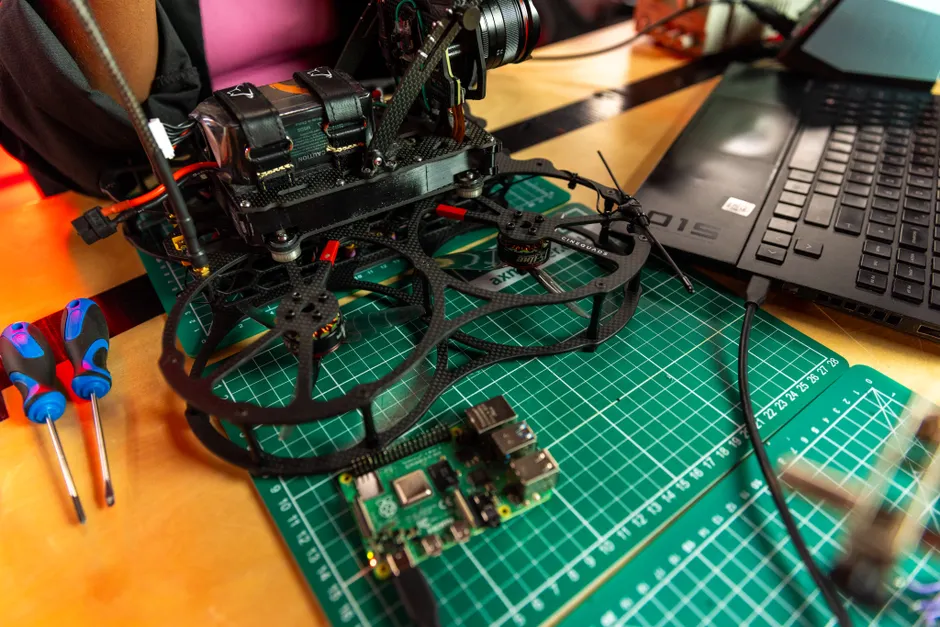
Ukraine's State Bureau of Investigation searched Vyriy Industries on July 7. The company makes FPV drones — small unmanned munitions that Ukraine uses frequently in combat. Investigators also searched properties belonging to the company's owner, Oleksiy Babenko, including the homes of his brother and mother.
The investigation centers on suspicion that Vyriy overcharged the government for drones by nearly 7 billion hryvnias (Ukrainian currency). Babenko denies the allegation. The company says it is continuing to supply the Defense Forces normally and called the searches an attempt at "informational pressure."
Why this matters now: Ukraine has an urgent need for drones. Since 2023, demand has exploded — far faster than anyone predicted. In the beginning, small workshops and volunteer groups made drones and set the prices. Now industrial companies like Vyriy — which is now Ukraine's largest drone maker — have taken over production to meet the volume needed. But when demand grows this fast, it becomes harder to know what a fair price actually is.
At the same time, Western countries that are giving Ukraine money and weapons have been pushing harder on transparency in military spending. They want to make sure money isn't being wasted or stolen, especially when billions of dollars are flowing in. If Ukraine can show it is investigating problems — and punishing overcharging — that signals Western donors they can trust the system.
It is not yet clear whether Vyriy actually overcharged or whether its prices simply reflect the real costs of making drones in wartime. Making drones in Ukraine is complicated: parts come from many suppliers, some electronics from Russia are banned by Western sanctions, and prices shift as the currency value changes and the fighting creates demand spikes. All of this can make drones expensive without anyone doing anything wrong.
One more detail worth noting: Babenko also owns part of Babel, a Ukrainian news organization that publishes critical reporting on how the government handles the war. This adds another angle to how people in Ukraine are reading the investigation — some will wonder if a person connected to a critical news outlet is being treated unfairly, or if his media connection kept him under the radar until now.
What happens next is unclear. Authorities have not yet filed formal charges or announced a court date. Whether Vyriy's production gets disrupted, and whether the investigation closes or proceeds to prosecution, will tell us a lot about how serious Ukraine is about following through on its promise to Western allies to clean up military spending.