Russia Hits Ukrainian Ports and Foreign Ships While Kyiv's Leadership Falls Apart
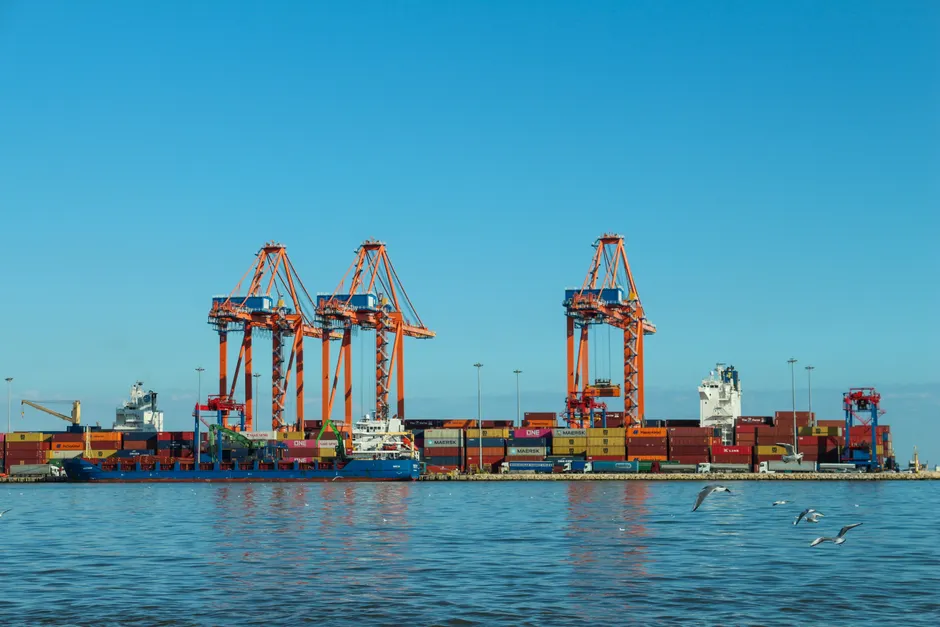
Russian drones attacked port facilities in the Ukrainian city of Mykolaiv on 17 July 2026, damaging three commercial ships registered to foreign countries and killing two Ukrainian crew members on board one of them, according to Al Jazeera. The same wave of attacks hit Kherson, killing a woman and wounding six others, and struck Odesa, where a man was killed. Serhii Lysak, head of the Odesa City Military Administration, confirmed the Odesa casualty.
This matters because the damaged ships belong to foreign countries, not just Ukraine. When a war damages vessels registered abroad, it draws other nations' governments and businesses into the conflict — they now have a direct stake in what happens to ships in Ukrainian ports.
Russia's Ministry of Defence claimed its forces had struck 24 Ukrainian military vessels over the past week. That claim could not be checked independently. On the same day, Ukraine's drone forces commander, Robert Brovdi, said Ukrainian forces hit 12 Russian vessels in the Black Sea. Ukraine identified two of those as Russian tankers. Ukraine also said it struck a Russian oil refinery in the Yaroslavl region, far from the front lines, as part of its campaign to damage Russian energy supplies.
These military exchanges come at the same time as a political shake-up in Ukraine's government. President Volodymyr Zelenskyy removed Defence Minister Mykhailo Fedorov, 35, as part of a wider change of senior officials. Zelenskyy named Yevgeniy Khmara, head of Ukraine's SBU security service, as acting defence minister, and appointed former Interior Minister Ihor Klymenko to lead Ukraine's defence and security council.
Fedorov's removal caused problems. After being forced to resign, he publicly criticised Ukraine's top military commander, Oleksandr Syrskyi, and questioned whether Ukraine could win the war with Syrskyi in charge. These comments turned a private disagreement over leadership into a public argument, at a time when attacks on Ukraine's cities and front lines are getting worse.
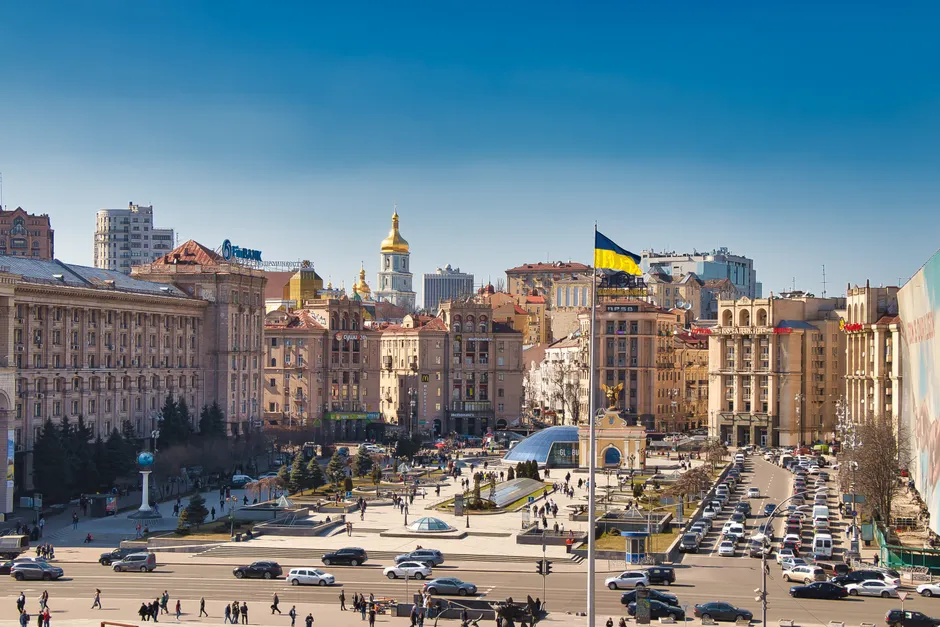
Protests outside President Zelenskyy's office in central Kyiv continued for a second day on 17 July 2026, with demonstrators demanding Fedorov be given his job back. The protests spread to other cities: supporters rallied in Kharkiv, Ternopil, Mykolaiv, Chernivtsi, and Lutsk, according to Ukrinform. Valeriia Balenko, a 29-year-old protester, told Reuters she hoped the authorities would listen to the people and reappoint Fedorov.
The bigger picture is that Ukraine is facing two problems at once. Russia is hitting its southern port cities harder, and a political crisis over who should run the defence ministry has erupted inside the country. The attack on foreign ships in Mykolaiv could push other governments to pay closer attention to the war, since their own citizens and businesses are at risk in Ukrainian ports. The protests in six cities show that Fedorov's firing struck a nerve well beyond a normal government reshuffling.
Zelenskyy's choice of Khmara, a security service chief, and Klymenko, a former interior minister, suggests he wants experienced security professionals rather than political figures in the top defence jobs. Whether that satisfies the protesters is another question entirely. Fedorov's public criticism of Syrskyi means the debate over who should lead the war effort is far from over.
On the military side, both sides are hitting each other's ships at sea. Ukraine says it struck 12 Russian vessels; Russia claims it hit 24 Ukrainian vessels in the past week. Ukraine's focus on Russian tankers and the Yaroslavl oil refinery suggests it is trying to cut off Russia's fuel supply and weaken its navy at the same time. Russia's attacks on Mykolaiv's port suggest it is trying to do the same to Ukraine's ability to ship goods by sea — and foreign vessels are now caught in the middle.