Trump Ends Iran Ceasefire and Renews Military Strikes

President Trump said on July 8 that the United States might "take over" Kharg Island, Iran's most important oil export facility. He made this comment after confirming that US military strikes hit the island overnight. Speaking to reporters at a NATO summit in Türkiye, Trump declared the truce with Iran was "over" and said he had ordered the military to "hit them hard tonight" for a second night in a row Al Jazeera.
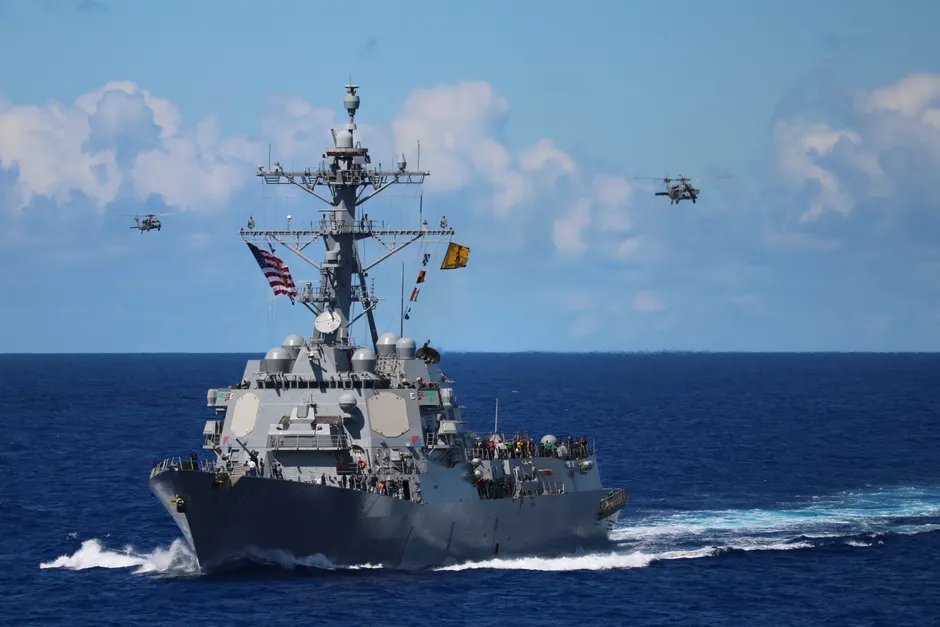
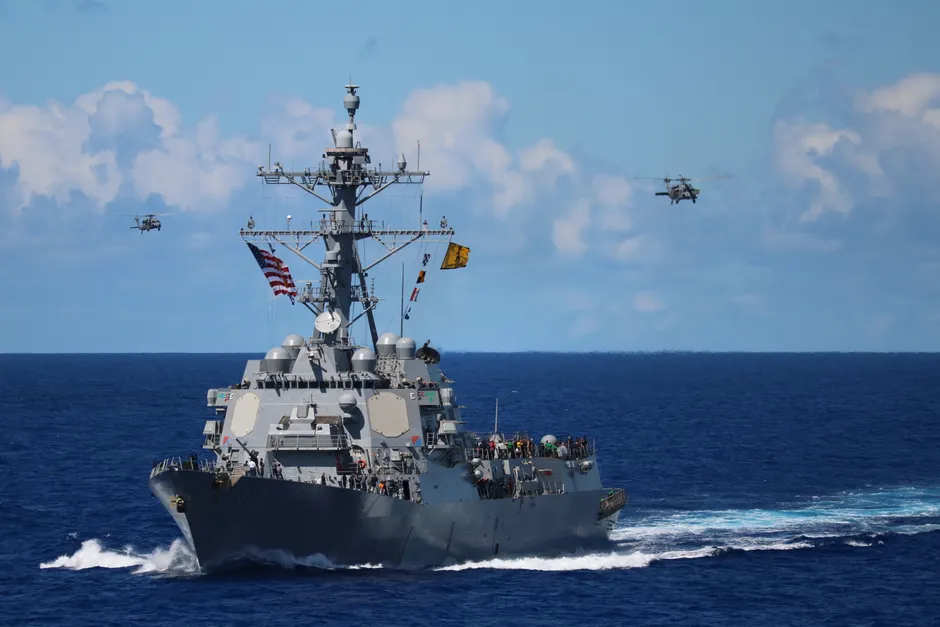
The new strikes followed attacks on three oil tankers in the Strait of Hormuz, a busy shipping route between the Persian Gulf and the Arabian Sea. The US blamed Iran's military, called the IRGC, for those attacks. Trump said US operations destroyed "28 boats last night," but US Central Command reported the figure at more than 60 Iranian military vessels hit in the same timeframe Al Jazeera. The White House did not explain this difference.
Kharg Island sits about 55 kilometers off Iran's coast and handles roughly 90 percent of Iran's crude oil exports — think of it as Iran's main cash register for selling oil to other countries Al Jazeera. Trump said he had personally told the military to leave the oil infrastructure untouched — "Don't touch the oil, because maybe we'll take over Kharg Island" — which explains why the strikes reportedly avoided the export facilities Washington Examiner. He also mentioned possibly blockading Iranian ports and warned, "There may be a big attack, and it'll knock out a lot of stuff" Times of Israel.
Trump used harsh language about Iran's leadership, calling them "scum" while announcing the ceasefire had ended. This represents a notable change from late March, when his administration said it was "in talks with Iran" New York Post; AP.
Trump first mentioned taking over Kharg Island in a Fox News interview on June 11, then said the same day an attack was "off the table for now" Reuters; Reuters. He brought up the threat again later in June, and has now mentioned it a third time in a month Al Jazeera. This pattern suggests Trump may be using the threat as pressure on Iran rather than as a firm military plan, though the actual strikes show the military option is still in play.
On social media, Trump described a bigger picture, writing that "at some point in the not too distant future, we will be taking Kharg Island, and other oil infrastructure points, and assume total control of their Oil and Gas Markets" Truth Social. He also claimed Iran's "Navy, Air Force, Radar, Anti Aircraft, and all other forms of Defense, together with most of its offensive capability, are GONE" — a claim that has not been independently confirmed and remains disputed Truth Social. An earlier post mentioned the US had "obliterated" military assets while deliberately protecting oil infrastructure "for reasons of decency," language that foreshadows the current talk of taking over the island AP.
Trump also noted that taking Kharg Island "would have to be a joint effort," meaning it would require help from allied countries. He made this comment in March but has not repeated it clearly since, leaving it unclear which allies, if any, the US expects to join in AP.
There is an important difference between bombing a place and actually occupying it to run it. If the US physically controlled a facility that exports 90 percent of Iran's oil, it would be running Iran's main source of foreign money. This raises complex questions about global oil prices, international law about controlling foreign territory, and how other major nations like China — which buys most of Iran's oil — would respond. The bigger significance is that Trump's talk of "total control" suggests a long-term US role managing Iranian energy, something that has few modern examples outside of full military occupation.
Whether Trump actually sends ground forces is different from the air strikes happening now. Bombing IRGC vessels from a distance fits a pattern the US has followed since March. Actually landing troops to hold the island would mean keeping supply lines open, accepting the risk of attacks, and securing allied participation — details Trump has not yet worked out.