PC Sales Drop for the First Time in Two Years. Here's Why.

PC Sales Drop for the First Time in Two Years. Here's Why.
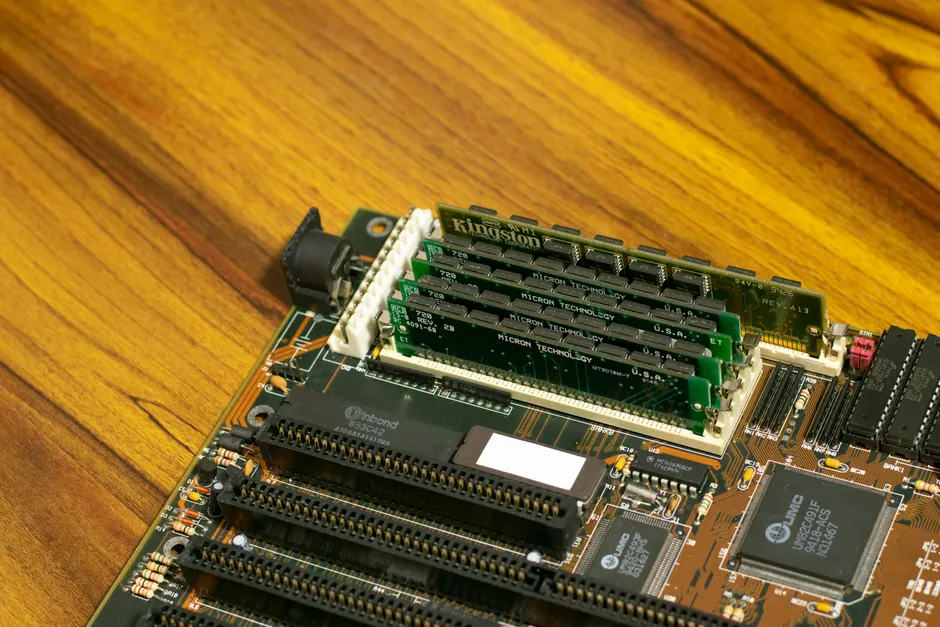
Global computer sales fell to 68.2 million units in the second quarter of 2026, down nearly 5 percent, according to IDC, a research firm that tracks the industry. This marks the first quarterly drop after nine straight quarters of growth. The culprit, IDC says, is a shortage of memory chips — the components that store information — driven by demand from artificial intelligence systems.
That drop reverses a clear upward trend. In the same quarter of 2025, manufacturers shipped 68.4 million units, up 6.5 percent from the year before. A few quarters later, in late 2025, shipments climbed even higher, to 75.8 million units. But that run of consistent growth has ended, at least for now.
Here is something worth understanding: even though fewer computers are being sold, the companies that make them are actually making more money. Manufacturers are raising prices faster than customers are backing away, passing along their higher costs for memory and storage directly to consumers. IDC researchers note that vendors expect to keep raising prices through 2027.
How long has this been building?
The memory shortage did not start with this quarter's numbers. Back in February, IDC observed that computer makers were rushing machines out the door in early 2026 specifically to sell them before prices went even higher. That explains why early 2026 still looked healthy on paper — companies were front-loading sales to dodge future cost increases.
By mid-June, IDC had a clearer picture. The firm projected that 2026 global computer sales would fall 11.3 percent for the full year, and that the memory shortage would persist through 2027. A week later, when IDC expanded its forecast to include tablets alongside traditional PCs, it predicted an 8.9 percent decline for this quarter alone, and a 10.4 percent drop across the whole year.
Gartner, another major research firm, reached similar conclusions. Back in February, Gartner forecast that rising memory costs would cut computer shipments by 10.4 percent and smartphone shipments by 8.4 percent throughout 2026. When two independent research firms arrive at comparable numbers through different methods, months apart, the pattern becomes harder to dismiss.
Why memory is suddenly scarce
The reason is straightforward: artificial intelligence systems are hungry for specialized memory and storage. Computer chip factories have started diverting their memory production away from regular consumer devices like laptops and toward the high-performance memory that AI systems require. That reallocation has made consumer-grade memory harder to find and more expensive.
This pattern of rising prices alongside falling sales volumes is familiar to anyone who has watched past chip shortages. The GPU crunch and automotive chip shortage of 2021 both worked the same way. Where this shortage stands apart, in my view, is its expected length. Previous shortages lasted roughly a year. IDC and Gartner now expect this one to stretch into 2027 or even 2028 — long enough to change how large companies plan their computer purchases, since they typically plan hardware orders years in advance.
One practical ripple: companies worried about future price increases have a reason to buy computers sooner rather than later, which could intensify demand pressure on an already tight memory supply. Whether that eases the shortage or makes it worse will depend on how quickly chip factories can shift production back to consumer memory — a process not expected to complete before 2028.
One small note on the research itself: Canalys, one of the three main firms tracking PC sales, now publishes its data under a new brand name, Omdia. The shift appears to have preserved the underlying methods — Omdia's numbers for early 2026 sit close to IDC's — so the rebranding should not have distorted the data, though readers tracking sales history should be aware of the name change.