Neil the Seal Left Tasmania. Here's Why That Matters More Than Traffic Jams.
Neil the Seal Left Tasmania. Here's Why That Matters More Than Traffic Jams.
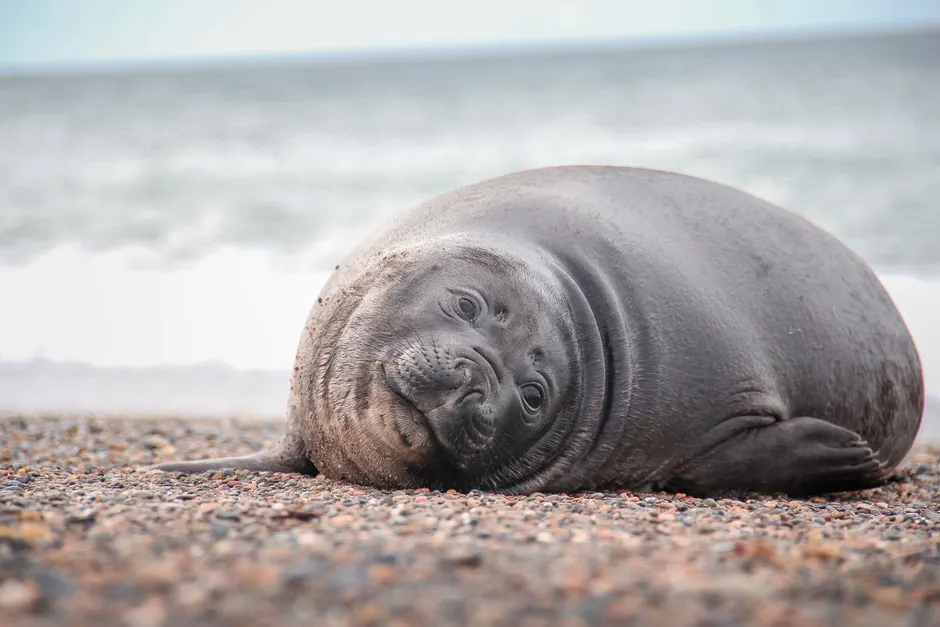
Neil, a five-year-old southern elephant seal, headed back to sea on the night of July 8 and into July 9, 2026. Tasmania's Department of Natural Resources and Environment (NRE) confirmed the departure and said it was exactly what they expected — part of his normal cycle The Guardian.
For the past several years, Neil has repeatedly come ashore in Tasmania, lying on roads and driveways. He drew crowds of curious onlookers and created real headaches for wildlife managers and traffic. Now he was gone — until the next time.
What We Know About Neil's Movement
Here's what makes tracking Neil complicated: the agency lost real-time visibility into where he goes. NRE fitted Neil with a satellite tracking device in 2023, but it fell off during his 2024 molt — the natural shedding of his skin and fur. Once that happened, they had no way to follow him. An NRE spokesperson explained that the agency typically only tracks animals when there's a specific reason, like a medical issue or relocation, not for routine monitoring The Guardian.
The tracking data they did collect tells a striking story about Neil's real life. When he's at sea, he travels roughly 5,000 kilometers on round trips — that's equivalent to driving from Australia to New Zealand and back — foraging more than 1,600 kilometers from southwest Tasmania. An NRE spokesperson described this as "normal behaviour for a young male southern elephant seal" The Guardian. What we see on Tasmanian beaches are brief pit stops in a vast ocean life.
Why Neil's Existence Is Actually Historic
What makes Neil's story bigger than a traffic nuisance comes down to history. Kris Carlyon, head of wildlife health and marine life at NRE, noted that Neil is "potentially one of the first southern elephant seal pups to be born back in Tasmania" The Guardian.
That detail matters because sealers hunted southern elephant seals out of Tasmanian waters entirely during the 1800s. The species nearly vanished. Today, they breed almost exclusively on remote subantarctic islands like Macquarie and Heard — thousands of kilometers away. If Neil was actually born back in Tasmanian waters, it signals that the species is returning to places where it vanished for more than a century.
Carlyon acknowledged the awkwardness: "Regardless of the resource burden and the challenges that Neil throws, we're pleased to see him." Managing a multi-ton wild animal in populated areas costs money and creates real safety concerns — but the underlying fact is a conservation win The Guardian.
The Safety Picture
Southern elephant seals are large and unpredictable. Wildlife authorities have been clear: euthanasia remains a last-resort option if public safety cannot be maintained. The guidance for anyone who encounters Neil is specific: stay at least 20 meters away, keep dogs on leash at least 50 meters back, and don't block his path to water. The focus isn't on protecting Neil from people — it's on preventing a bad encounter that could force authorities into an intervention nobody wants. If you spot him, call the marine mammal hotline rather than approach The Guardian.
Tasmanian Premier Jeremy Rockliff offered a lighthearted public response: "We'll keep an eye out for him but otherwise the traffic cones and street signs of Tasmania can breathe a small sigh of relief." He also thanked residents for treating Neil with respect: "A big well done for everyone that has treated big Neil with respect and caution while he's been on…" The Guardian.
The Broader Pattern
Here's what sits at the center of the Neil story: we've accidentally discovered that a species thought to be gone from Tasmania may be quietly returning. At the same time, we've lost the tools to track that return closely. Each time Neil comes ashore, it surprises authorities rather than confirms what tracking data predicted. Without a clear reason to re-tag him — like a medical emergency or relocation — the NRE's plan is to monitor from a distance and issue public safety warnings when he appears. That passive approach is likely to continue unless Neil or another elephant seal gives them a specific reason to take more direct action.
It's a rare collision of good news and uncertainty: a sign of ecological recovery shadowed by the fact that we can't actually see the full picture.