Six Beluga Whales Have Left a Troubled Canadian Marine Park for New Homes in the US
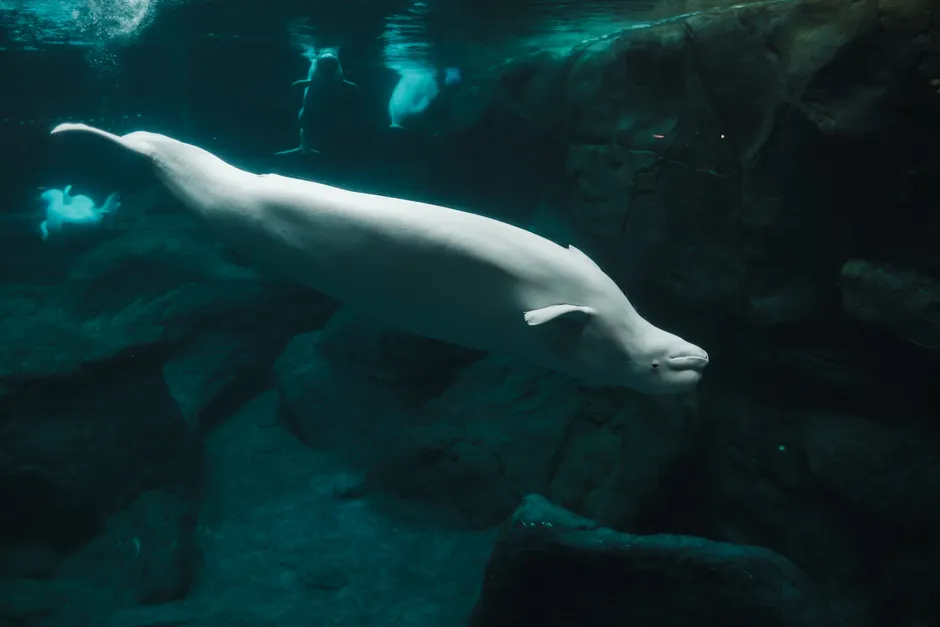
Six beluga whales left Marineland, a marine park in Niagara Falls, Canada, and arrived at aquariums in the United States during the week of July 22, 2026. This is the first real step in an agreement between the park and the Canadian government to find the whales new homes The Guardian.
On Monday, July 20, 2026, the whales were lifted out of their tanks using sling-like harnesses, driven to Toronto Pearson International Airport, loaded in crates onto a cargo plane, and flown to their new homes. Four of the whales — Sierra, Acadia, Osiris, and Lillooet — went to the Shedd Aquarium in Chicago. The other two, Bertie Botts and Frankie, went to SeaWorld San Antonio in Texas The Guardian.
The bigger plan started in June 2026, when Canada and Marineland agreed to send the belugas to a group of aquariums in Georgia, Chicago, San Diego, and San Antonio, as well as an aquarium in Spain called Oceanogràfic València. The six whales that moved this week are only part of that plan. Twenty-four other whales and two dolphins are still at Marineland as of the week of July 22, 2026 The Guardian.
Before this agreement, Canada's fisheries department (called DFO) had refused to let Marineland export 30 beluga whales. That refusal happened in 2025 and helped shape the deal that is now moving the whales DFO.
The aquariums receiving the whales say they are doing this for the animals' well-being. The Shedd Aquarium said on July 8, 2026 that it planned to "rescue" up to 10 of Marineland's whales and that the belugas would have access to "diverse nutritional seafood, healthy habitats, clean water, and individualized care." SeaWorld San Antonio said: "Our commitment is clear. These whales need help and we are ready to help them." Marineland told the Canadian Press on July 20 that "above all else, the safe, healthy, and comfortable transfer of these whales to their new homes remains our unwavering priority" The Guardian.
Not everyone sees the new homes as clearly better. Phil Demers, who trained whales at Marineland from 2000 to 2012 before becoming a critic of the park, said: "There's obviously some relief, but it's hard for me to frankly endorse any of the facilities that these animals are going to." His comment points to a real tension in this story. The whales are leaving a park that has faced years of criticism and government scrutiny. But they are going to aquariums that are themselves part of a larger debate about whether whales and dolphins should be kept in captivity at all The Guardian.
Moving six large marine mammals across a border is difficult. It required coordination between Canadian wildlife officials, US regulators, two aquariums, and cargo airlines. The sling-and-crate method is standard for moving large whales, but every transfer carries health risks for the animals, especially stress and trouble keeping their body temperature stable during the trip.
The broader context here is that the future for the animals still at Marineland is unclear. The June 2026 agreement covers aquariums in at least five locations across three countries, but only six belugas have moved so far. The 24 remaining whales and two dolphins will each need their own transfer plans, more government approvals, and aquariums willing to take them. The earlier refusal by Canada's fisheries department to let Marineland export 30 belugas adds another layer of difficulty, since the current transfers are happening under a new agreement that changed or replaced the rules that led to that refusal.
The welfare language used by both Shedd and SeaWorld — talking about nutrition, clean water, and individualized care — is aimed directly at the kinds of problems critics say existed at Marineland. Whether the new aquariums can live up to those promises, and whether the remaining animals will be moved on a similar timeline, will depend on whether governments and aquariums stay willing to finish what they have started.