Why Modi's Visit to Australia Matters—And What It Reveals
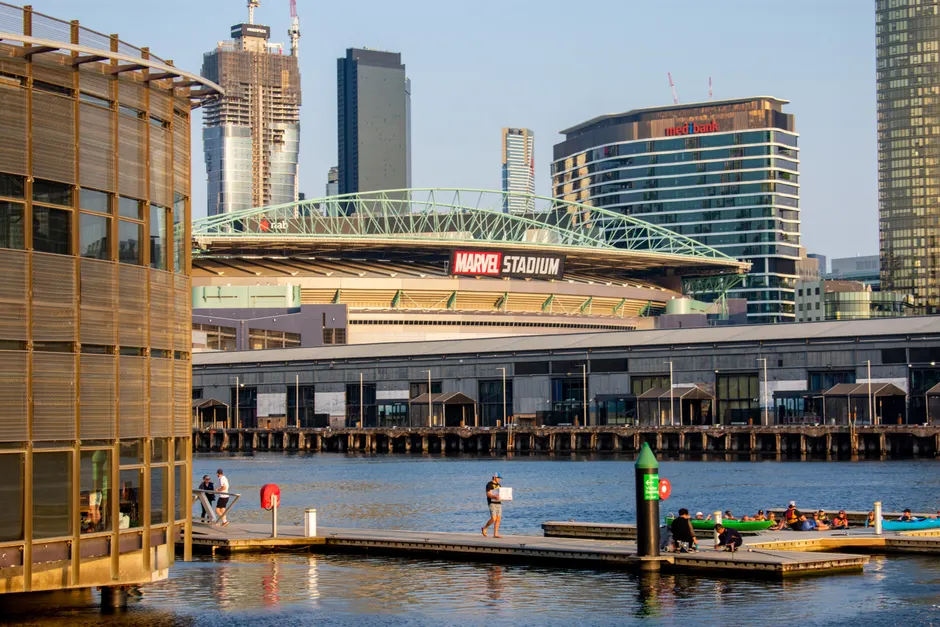
Indian Prime Minister Narendra Modi visited Australia this week, drawing tens of thousands of people to a community event at Marvel Stadium in Melbourne. It was his first trip to Australia in three years, and it carried significance beyond the cultural performances and stadium rally that made headlines.
Modi and Australian Prime Minister Anthony Albanese held formal talks, where they announced two major agreements: Australia will supply uranium to India, and the two countries committed to closer defence cooperation. The uranium deal is particularly noteworthy because India and Australia had agreed to something similar back in 2014—but it never actually happened. This new agreement is meant to make the 2014 promise real.
Why does uranium matter? India needs fuel to power its nuclear power plants, and Australia has uranium to sell. But nuclear material is tightly controlled globally. Any sale must go through safeguards—inspections and agreements—to ensure the fuel is used only for electricity generation, not weapons. That's why officials use the phrase "peaceful purposes." Think of it like a formal contract that includes clauses requiring regular check-ups to make sure neither side breaks the rules.
The visit was not just about one country selling fuel to another. It was part of something larger: India's effort to build stronger ties across the Asia-Pacific region. India has been expanding its partnerships with the United States, Japan, Australia, and other democracies as a counterweight to China's growing influence in the region.
However, the visit also exposed real tensions. Protesters gathered outside the stadium, representing human rights advocates, Muslim and Sikh community groups, and organisations like Amnesty International. They raised concerns about India's 2024 citizenship law, which made it easier for refugees from some countries to become Indian citizens but excluded Muslim-majority nations. Critics argue this law reflects broader bias against India's Muslim minority under Modi's government.
Australian officials were asked how they could deepen ties with India while also being concerned about human rights. A government spokesperson said Australia "speaks directly and respectfully" with India about disagreements. In plain terms, this means Australia wants to work with India on security and trade—but will also privately raise concerns about governance and rights when the conversation allows.
What the visit ultimately shows is a common pattern in modern diplomacy: wealthy democracies are choosing strategic partnership with India over making that partnership conditional on changes in India's treatment of minorities. Whether this approach is right or wrong is a question each government answers differently. But the choice itself—to let security cooperation advance on a separate track from human rights concerns—is increasingly visible in how Western nations manage relations with India.


