Why a Mosque Effigy at a Northern Ireland Bonfire Set Off Alarm Bells
Why a Mosque Effigy at a Northern Ireland Bonfire Set Off Alarm Bells
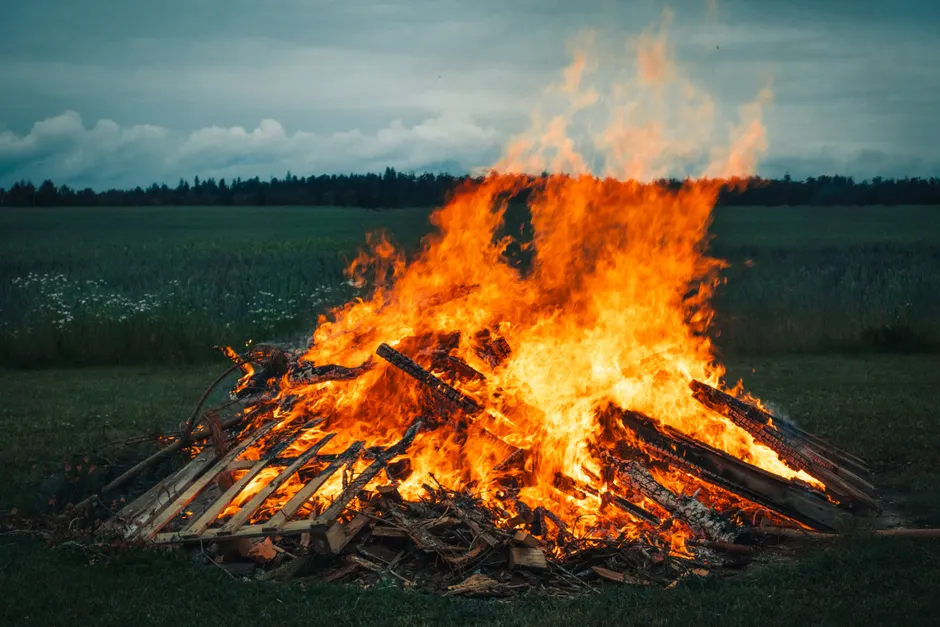
A bonfire in Moygashel, County Tyrone, was set to burn a wooden effigy of a mosque as part of Twelfth of July celebrations. Police arrested a 56-year-old man on suspicion of displaying threatening material meant to stir up hatred, and the display drew condemnation from politicians, human rights groups, and community leaders The Guardian.
Signs placed around the structure read "secure our borders" and "end the threat of radical Islam." The Moygashel Bonfire Association said in a Facebook post that the effigy was a "political protest" against immigration and that it was protected speech under European free-expression rules.
What These Bonfires Are
The Twelfth of July marks a 1690 victory by King William III at the Battle of the Boyne, an event commemorated across Northern Ireland with roughly 300 bonfires each year. These are real gatherings with symbolic weight in the region's divided history — some see them as cultural tradition, others as sectarian expression. For years, bonfires have included political messages on flags, effigies, and slogans. Some spark complaints about hate crimes or public order violations; others are left alone under free-speech arguments.
What Made This One Different
The year before, the same bonfire association had burned mannequins styled as migrants in a boat. In June 2026, police removed a "Muslims not welcome" banner from a children's playground in the same village. These events, taken together, show a pattern of anti-Muslim messaging in Moygashel over weeks, not just a one-off bonfire choice.
The bonfire itself was specific: rather than a general statement about immigration, it directly targeted Islam and Muslims as a religious group. Previous displays in the area had talked about migration more broadly.
Political Reaction
Politicians and rights groups responded quickly and without much disagreement. Colm Gildernew, a Sinn Féin politician representing Fermanagh and South Tyrone, called it a hate crime. The Alliance Party's Eóin Tennyson posted on social media that the bonfire amounted to "an annual shrine to racism and hate" Eóin Tennyson. Amnesty International's Northern Ireland director, Patrick Corrigan, condemned it and urged police to investigate it as a potential crime. Even the Democratic Unionist Party, a unionist group, issued a statement about the incident BBC News.
A Broader Context
This bonfire isn't isolated. Three men have admitted in court to planning to set fire to an actual mosque in County Galway in 2025; sentencing is scheduled for October 2026, according to the Guardian. That case involved a real attempt to burn a working place of worship — materially more serious than a symbolic effigy at a bonfire. Yet both incidents landed in the news at the same time and both involved targeting Muslim communities on the island of Ireland, which has prompted a wider conversation about anti-Muslim sentiment.
The Legal Question Ahead
The case will likely hinge on where the line falls between protected political expression and language that incites hatred toward a religious group. European free-speech protections allow restrictions when they're necessary to prevent disorder or protect others' rights. UK domestic law separately makes it illegal to spread material meant to stir up religious hatred. The bonfire association has already invoked free-expression rights as a defense, so prosecutors will face a real choice.
Whether the Public Prosecution Service charges the arrested man, and on what grounds, will be the next chapter in a dispute that surfaces most summers in Northern Ireland. The specificity of targeting a mosque and naming Islam directly — rather than speaking only about immigration — is what led politicians and rights groups to frame this as a religious hate crime rather than a generic immigration protest. How courts treat such cases has remained unsettled for years.