A $20 Flip Phone That Keeps Your Smartphone Apps Running
A $20 Flip Phone That Keeps Your Smartphone Apps Running
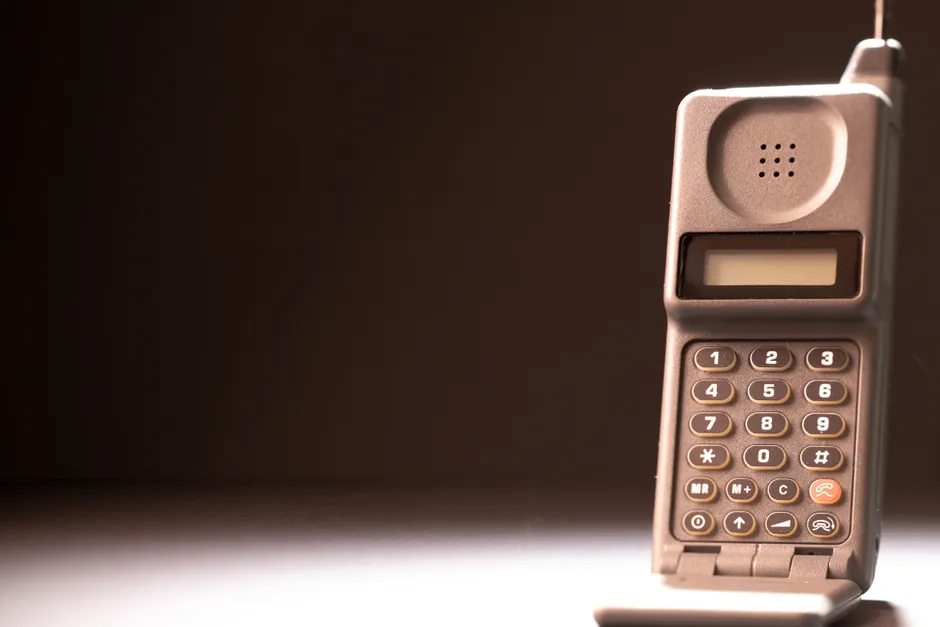
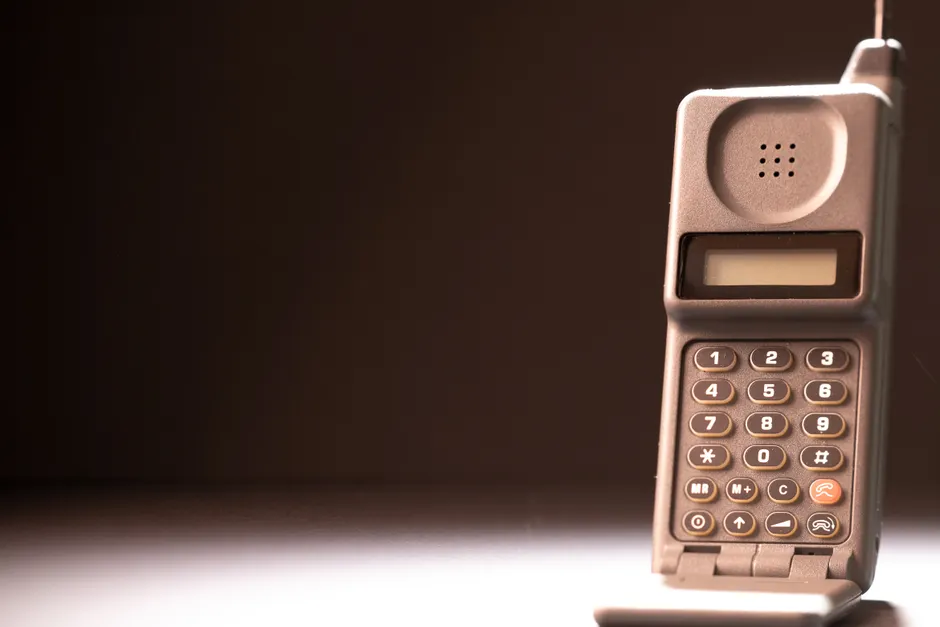
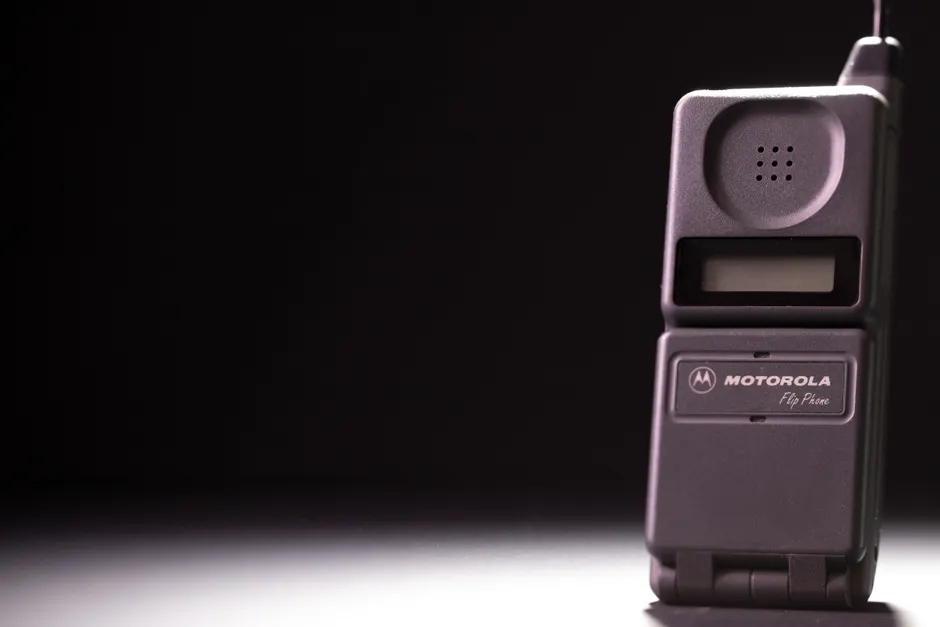
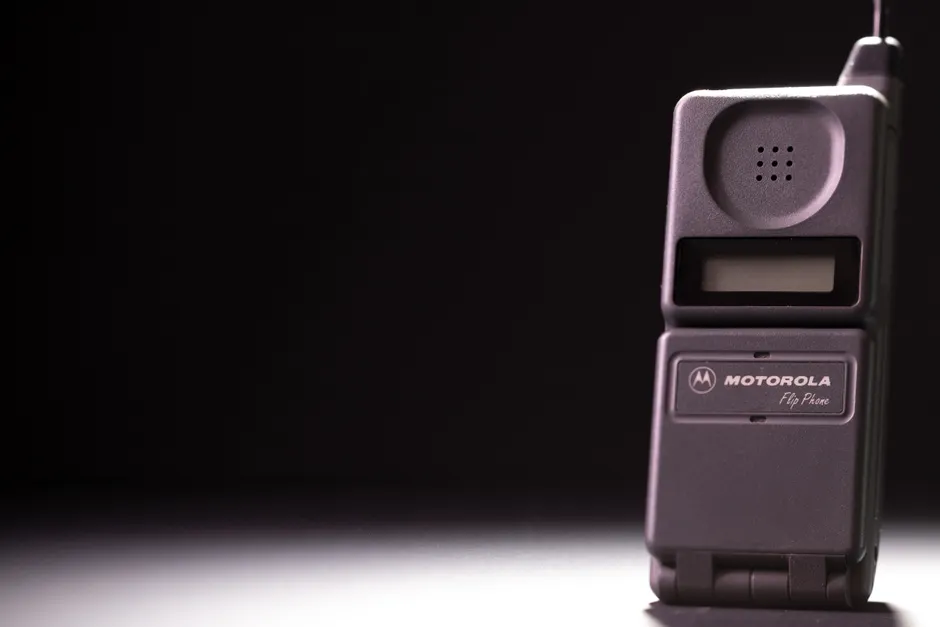
Dumb Co has released a $20 flip phone called the dumbphone 2 that does something unusual: it works together with your smartphone instead of replacing it entirely.
The device is a modified flip phone that runs custom software designed by Dumb Co. It syncs with your existing smartphone, meaning the two devices talk to each other. Rather than cutting you off from the apps you rely on daily, the dumbphone 2 keeps the ones people tend to need most: WhatsApp, Spotify, Apple Music, and Uber all work on the flip phone. You can also get text messages through iMessage, though that requires a third-party app. Maps are built in, and call and text forwarding work too, so calls sent to your phone number can be rerouted to either device TechCrunch.
The idea is not to abandon your smartphone cold turkey. A reporter at TechCrunch used the dumbphone 2 for more than a month while keeping an iPhone nearby for emergencies. Dumb Co markets the product this way: as a way to downgrade to a simpler phone without losing the services you actually use, rather than as total digital detox TechCrunch.
The company started in Washington, DC, in 2025, growing out of a community challenge called Month Offline. That challenge asks people to swap their smartphones for flip phones for 30 days. What began as a small neighborhood effort expanded into organized groups. In February 2026, Month Offline held a gallery exhibition in New York City to celebrate the first group of NYC participants who completed the 30-day challenge artnyc.dumb.co. The community runs a separate website at offline.community, distinct from Dumb Co's store dumb.co.
The people running Dumb Co come from different backgrounds than the typical startup hardware team. Lydia Peabody, the company's chief marketing officer, was a licensed therapist before joining Dumb Co TechCrunch. Afreka Ebanks handles communications. The rest of the team is mostly in their twenties and thirties, and the company is funded by friends and family rather than venture capital firms TechCrunch.
Dumb Co is not the only company doing this. Another company called Commodore also modifies flip phones to run apps like WhatsApp and authentication tools TechCrunch. These companies share the same approach: modify existing flip phone hardware to run a few key apps, aiming to reduce how much time people spend on smartphones without demanding complete disconnection.
The economics are straightforward. The TCL flip phone that Dumb Co uses costs about $20 retail, and Dumb Co sells the finished product for the same price. The company makes its money from the software layer — the sync system, call forwarding, and the iMessage bridge — not from the phone hardware itself notebookcheck.net.
The broader context here is one I've watched unfold before in different forms: someone takes old or simple hardware, adds a software layer on top, and suddenly it works for people who otherwise would not use it. Throughout history, phones designed purely as smartphone replacements have struggled to gain traction. The reason is practical: ride-sharing apps, banking, two-factor codes for security — modern life often requires a smartphone. Dumb Co's approach of letting the two phones work together rather than compete may solve that adoption problem. Whether a flip phone that still forwards texts and runs Uber genuinely reduces smartphone dependency, or simply lets you hold that dependency in a smaller package, is a fair question to keep asking as the company grows beyond friends and family funding into a wider market.