Light's New $299 Flip Phone Does Less on Purpose
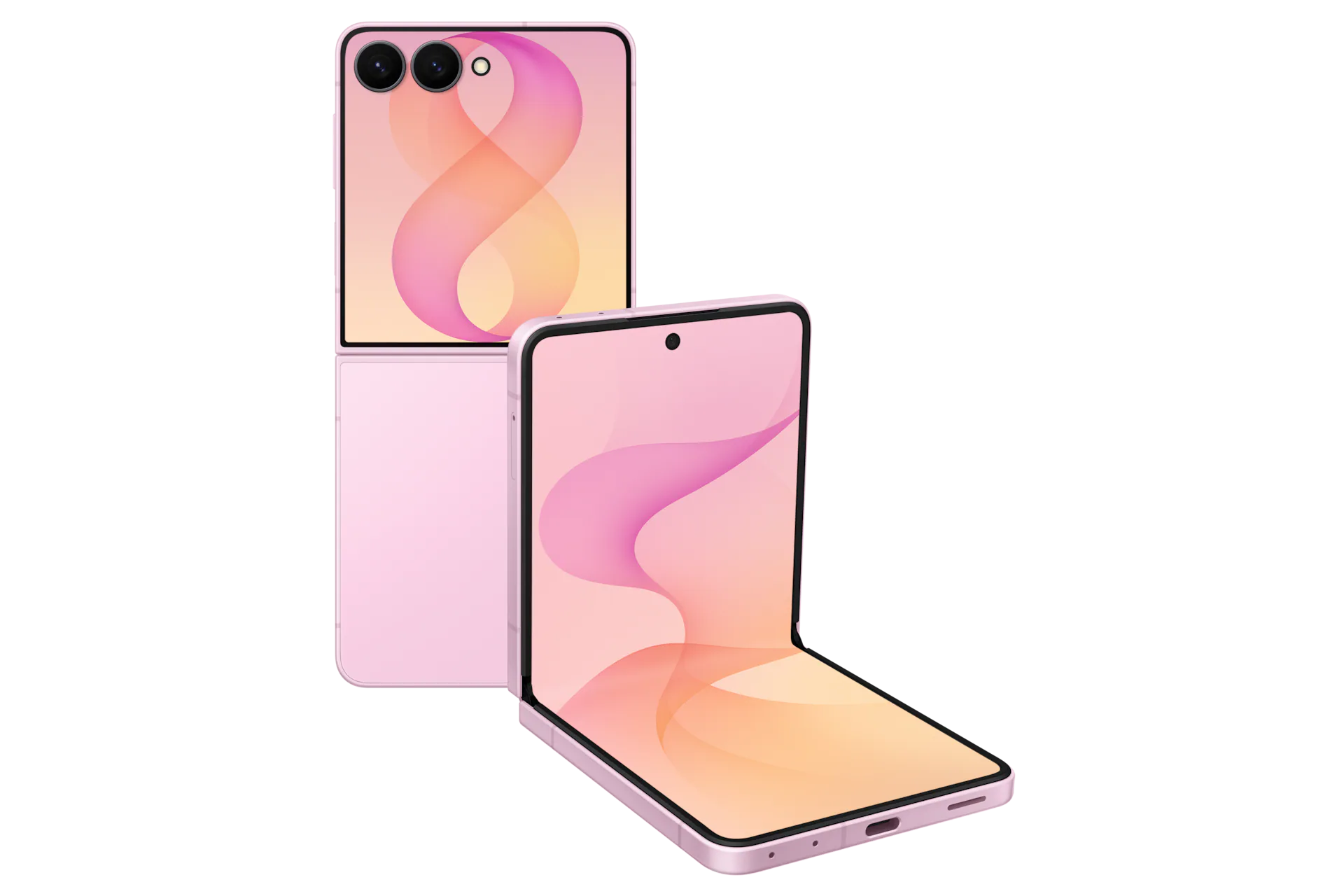
Light has announced the Light Flip, a minimalist flip phone priced at $299. That is less than half the $699 pre-order price of the company's Light Phone III, which launched in March 2025 The Verge. The device is designed primarily as a second phone for users who want to leave their smartphone at home, rather than as a primary device.
The hardware is deliberately simple. The top half of the phone has a 2.8-inch screen that does not respond to touch. The bottom half has a standard numberpad, a directional pad for moving through menus, and a few function buttons. A small notification light sits on the front cover, but there is no screen on the outside of the phone. The rest of the specs are basic: a MediaTek MT8873 processor, 128GB of storage, 6GB of RAM, a single rear camera, a USB-C charging port, and a headphone jack. There is no NFC chip, which is the technology that lets you tap your phone to pay at a register. Without it, the Light Flip cannot do tap-to-pay. The phone comes in multiple colors, unlike the all-black Light Phone III The Verge.
The Light Flip runs LightOS, the same operating system as the Light Phone III. An operating system is the software that runs the phone, similar to how iOS runs an iPhone or Android runs a Samsung. Light has also released an SDK, or software development kit, which is a set of tools that lets outside developers build apps for the platform The Verge.
The pricing is a key part of the story. At $299 outright, the Light Flip is well below the Light Phone III's $699 pre-order price (and $799 retail). Light also offers a financing option: $39 per month for 24 months, which includes Light's own cell service. For comparison, the company's cell service plans for the Light Phone III start at $25 per month The Verge; Light.
For context, the Light Phone III is a more conventional minimalist handset. It has a 3.92-inch AMOLED display (a bright, high-quality screen) at 1080x1240 resolution, a matte glass screen, 5G and 4G LTE support, and it weighs just 124 grams Light. The III launched in March 2025, roughly ten months after its June 2024 introduction Light. The company celebrated its 10-year anniversary in September 2024 and has shipped multiple generations of minimalist phones, starting with the Light Phone II in 2019 Light.
What makes the Light Flip different from the rest of Light's lineup is not the philosophy — the company has been building intentionally limited phones for a decade — but the shape and the price. A flip phone with a numberpad is a different way of interacting compared to the Light Phone III's touchscreen. Because the Flip has no touchscreen, apps designed with swiping and tapping in mind would need to be rebuilt to work with a directional pad and physical buttons. Whether outside developers using the new SDK will build apps that work this way is an open question.
The lack of NFC is a practical limitation for anyone considering the device. Tap-to-pay has become something people expect even from minimalist phones, and its absence means the Light Flip cannot be used as a payment device. That narrows the situations where it could fill in for a smartphone, even temporarily.
Light's decision to price the Flip at $299, along with the $39/month financed option that includes cell service, suggests the company is reaching for buyers who found the $699 Light Phone III too expensive. Whether a flip phone under $300 with no touchscreen and no app ecosystem yet built for this format can attract those buyers is a question the market will answer. The SDK is the key piece: if developers build apps tailored to the Flip's button-based interface, the device could become genuinely useful on its own. Without that, the Flip is a well-built but limited tool.
The broader context here is that minimalist phones have grown over the past several years from a niche curiosity into a small but real product category. Light is one of several companies betting that a meaningful number of people want a phone that does less. The Flip's lower price and familiar flip-phone design could bring in more of those buyers. The tradeoff — no touchscreen, a new app platform with few apps yet, and no tap-to-pay — is what you give up for the lower price.
Light cofounder Kaiwei Tang is behind the product, per The Verge The Verge. As of this report, no dedicated product page or spec sheet for the Light Flip was visible on thelightphone.com, though the announcement has been covered by major outlets Light.