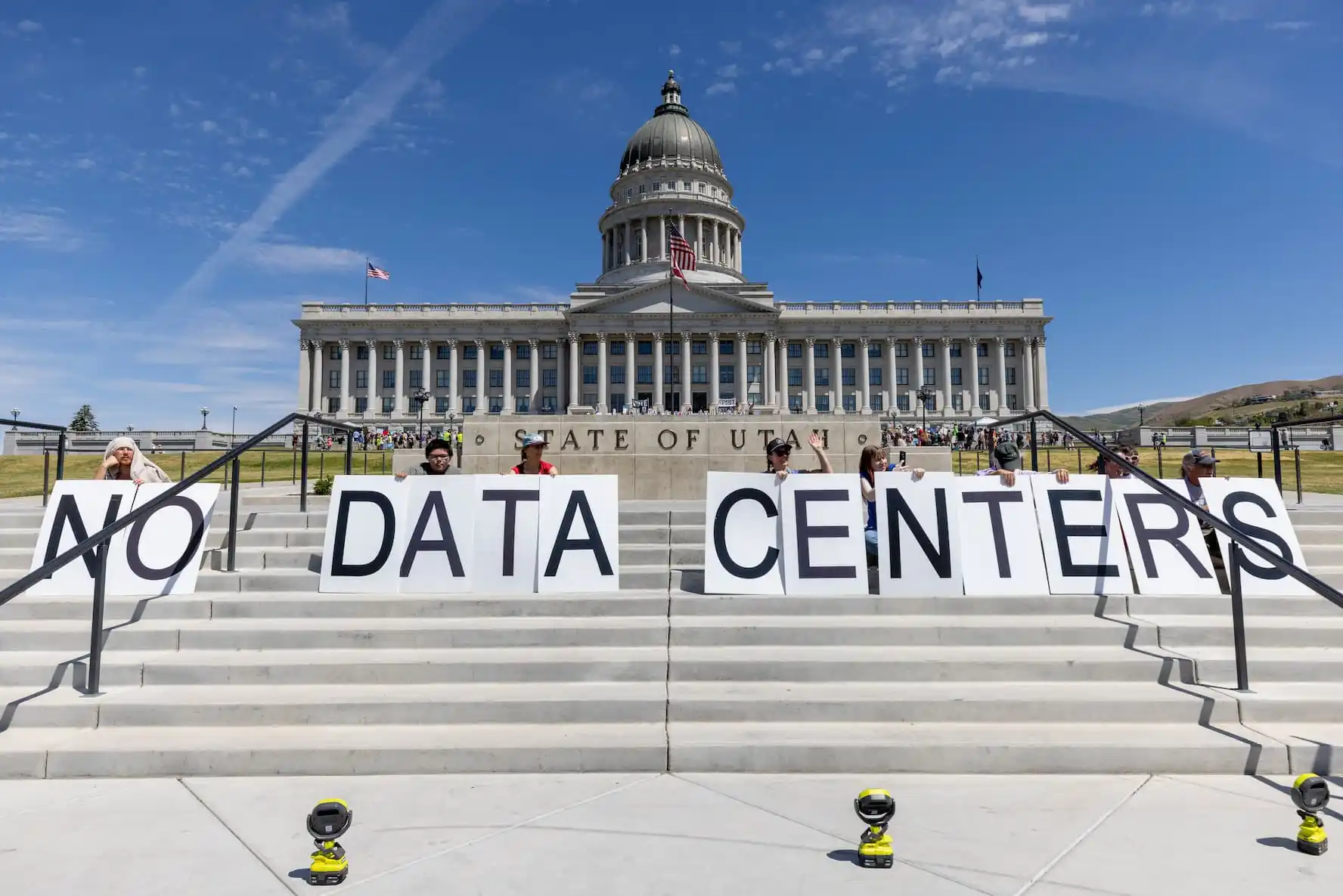
Why Data Centers Have Become a Voting Issue Before the Midterms
Data centers and artificial intelligence (AI) have become a political issue that could sway some races in the U.S. midterm elections, which are scheduled for November 3. TechCrunch reported the development on October 31, 2026, starting with a political event in Brooklyn.
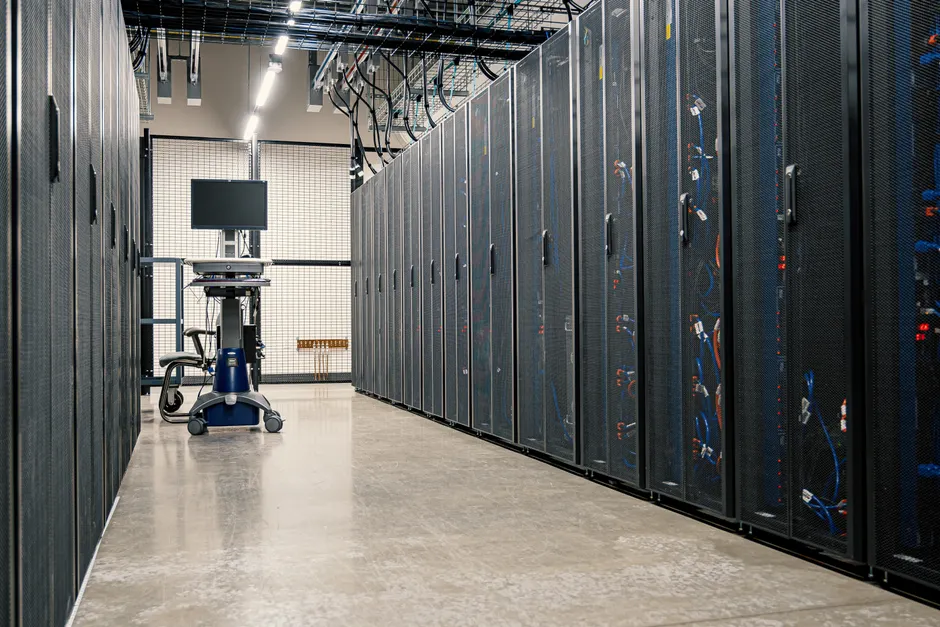
Data centers are large buildings packed with computer servers. They power websites, cloud storage and AI tools.
Newsreel, a media company founded by former Forbes and Newsweek reporter Jack Brewster, hosted that event in a Brooklyn warehouse five days before Election Day. Brewster said the goal was for people to "put their phones away and talk to each other about the election, five days out."
The program combined several formats. Kenneth Schlenker, co-founder of Opal, an app that helps people focus, joined a fireside chat on "the state of attention." Aryan Banjan, who built Barza, a campaign management software, presented a midterm forecast. New York City Council member Chi Ossé also took part in a fireside chat, where he said he doesn't really use AI. A data-center panel featured Maia Woluchem, a technology and human rights researcher, and Hilary Flint, an environmental and public health advocate.
The most pointed moment came when the moderator asked the room, "Who here is pro-AI data center?" The crowd booed.
The wider numbers point in the same direction. A Data Center Watch report found almost $200 billion in data center projects were delayed, stalled, or blocked in the first half of 2026 because of political and community opposition, according to TechCrunch.
Pennsylvania, Georgia, Texas, New York, and Virginia are considering more guardrails, meaning rules that limit how something is done, along with more transparency about these facilities. Hundreds of new data centers are planned in Virginia, which has been described as the "data center capital of the world."
On the ballot itself, Reuters reported on October 29 that voters in 10 states will see data center-related initiatives on their ballots on Election Day. An initiative is a measure that voters decide directly. Ballotpedia counts at least 50 local ballot measures on data centers in 13 states, including Arkansas, California, Florida, Illinois, Kansas and Maine.
Public opinion is moving in the same direction. Brookings reported that opinion has shifted from cautiously optimistic to largely negative. The main concerns are electricity rates, water use and job creation. An August opt-in online poll of 1,040 registered voters in Arizona found 57% oppose construction of more large data centers, according to CBS News. An opt-in poll lets people choose whether to take part, so it does not select people at random.
Politico reported on October 31 that the administration's AI push has collided with the data center backlash in a midterm test.
Financial markets are tracking the same friction. Reuters reported on October 22 that investors see risk to the AI trade, meaning investing in companies tied to AI, from the midterms as the backlash builds. As of October 29, traders had bet $133 million on the 2026 midterms across Kalshi, Polymarket and Polymarket US. These are prediction markets, where people bet on outcomes. Reuters reported on October 30 that the elections, corporate earnings and the monthly jobs report would test stock investors the following week.
The broader context here is that a data center now touches several political questions at once: electricity rates, water supply, local land use and jobs. Each is decided at a different level of government. That is why one project can become a county ballot question while also shaping how investors think about AI spending. Companies that once dealt mainly with utilities and zoning boards now face residents who have learned to organize around the same buildings.
In my view, the more useful question for the industry is not whether the backlash is real, but which proposed guardrails and disclosure rules will actually be written into law. Rules on power use, water consumption and siting could give communities the information they say they lack. They could also slow projects that might otherwise have moved ahead with little scrutiny. Either outcome is a plausible result of the current debate.
Having covered infrastructure buildouts for many years, I would note that the technology tends to outlast the first wave of resistance. Cloud facilities and cell towers faced similar local fights. Both eventually became ordinary parts of the landscape once rules on siting, noise and power were settled. Whether data centers follow the same path depends on two things. The rules from this election cycle must be specific enough to enforce, and operators must treat disclosure as a condition of building, not a concession.