Why Voters Are Saying No to Data Centers

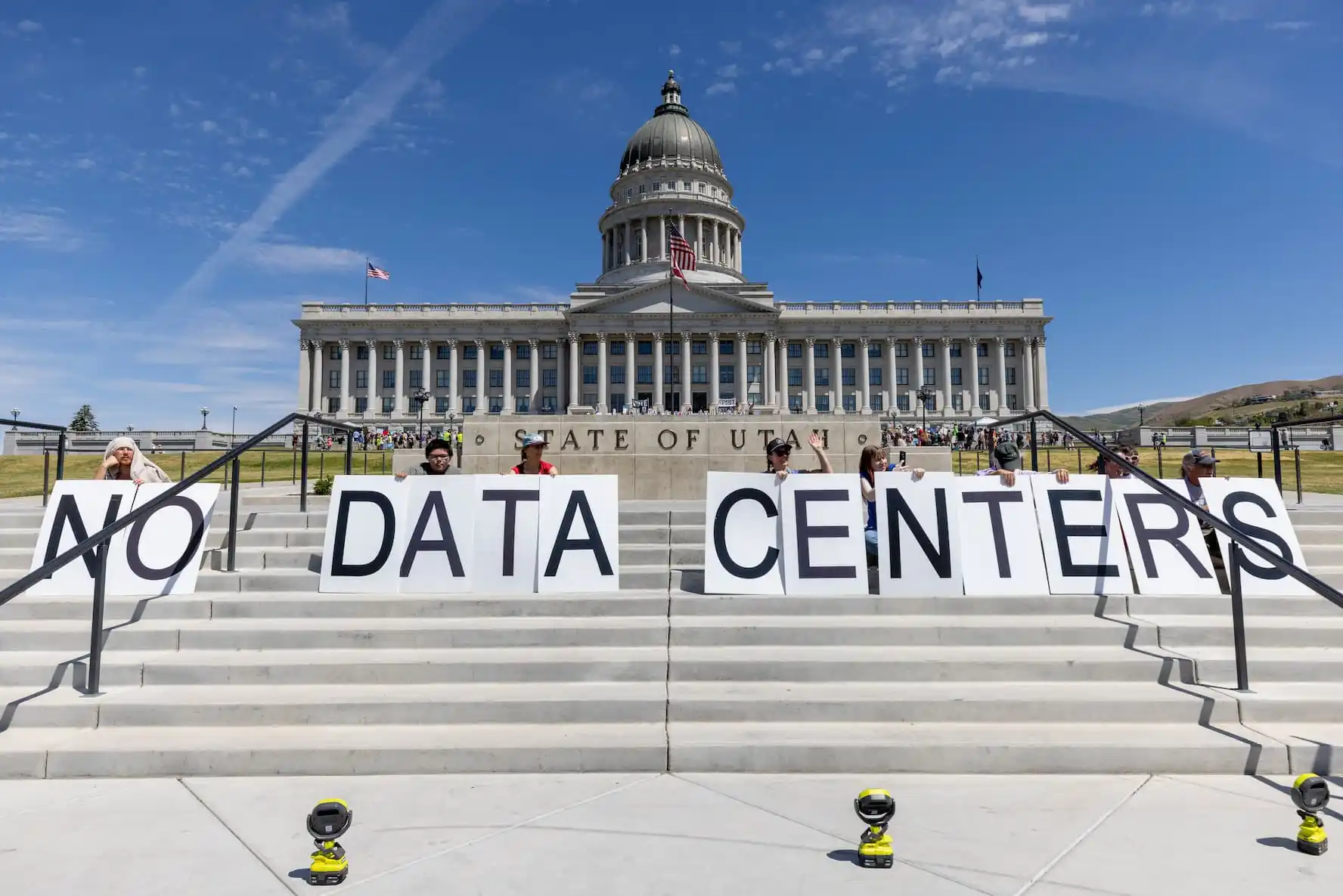
Voters decided 47 ballot measures about data centers as of November 4, 2026. In 46 of them, a majority favored tighter limits on building these facilities, according to Ballotpedia. The same election gave Democrats control of Congress. Investors, state lawmakers and county commissioners are now reading the two results together.
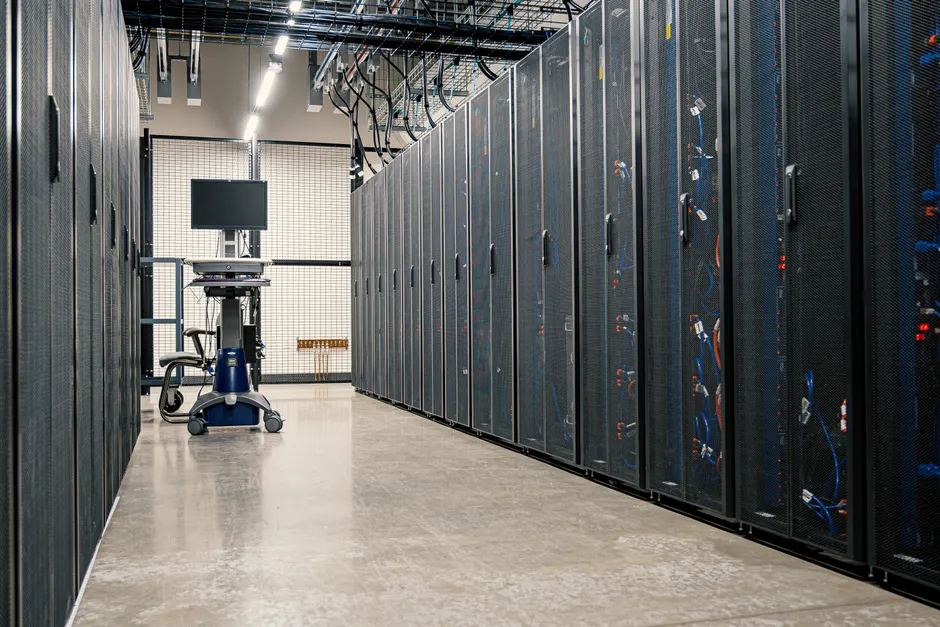
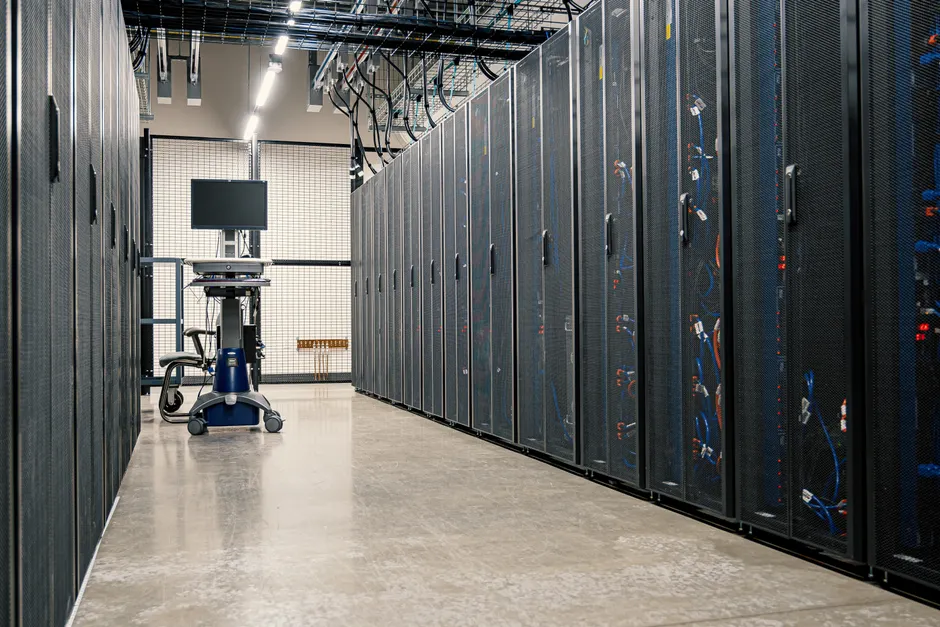
A data center is a large building filled with computer servers. Those servers run internet services, cloud software and artificial intelligence tools.
Most of the measures were decided by towns and counties, according to Bloomberg. The Washington Post reported that voters rejected or restricted data centers in at least 38 jurisdictions on November 4. Reuters described data center opponents as among the biggest winners of the Democrats' landslide victories in the midterms.
Public opinion points the same way. The Atlantic reports that more than 80 percent of Americans think the technology is moving too quickly. More than 70 percent oppose building data centers. In September, The Atlantic cited a recent NBC poll finding that nearly 70 percent of Americans oppose a data center in their area. In August, a Heatmap poll cited in a separate Atlantic newsletter found that three-quarters of Americans would oppose a data center built near where they live.
Markets moved quickly too. After the Democratic takeover of Congress, Reuters reported that data center stocks slid while clean-energy shares rose. A separate Reuters analysis said Democratic wins in Texas and Georgia raised expectations of tighter AI oversight. It also named the companies most exposed to possible data center limits in a broader Democratic sweep.
The local pattern started before the election. Frederick County, Maryland, County Executive Jessica Fitzwater announced a temporary pause on new data center development, according to a county notice posted in July.
Cumberland County, North Carolina, held a public hearing on May 18, 2026, on an ordinance to put a moratorium in place. A moratorium is a official pause on new construction. On June 15, the county approved a six-month moratorium, according to county planning materials.
Brisbane, California, adopted an urgency ordinance, which is a local law that takes effect right away. It sets a temporary moratorium on data center development. The pause runs for 45 days from adoption, per city council highlights.
New York City Mayor Zohran Mamdani said in November that Jocelyn Benson had campaigned on a data center moratorium. He made the remark during a city media availability.
In my view, the more useful question for anyone building or running these facilities is not whether opposition exists. It is which choices about location, power and cooling can hold up at a local hearing. A moratorium is a blunt tool. It gives a town time to write rules on water use, connecting to the electric grid, noise and power lines. Operators who arrive with specific answers on those points will likely get a different reception than those who do not.
The broader context here is that the measures do not all restrict the same thing. Some pause new projects completely. Some attach conditions. Some reject one specific site. What they mean for a large cloud company, a firm that rents space in shared data centers, or an electric utility depends on which tool a county chooses. Democratic control of Congress may change federal oversight of AI. Still, most decisions about where a data center gets built are made by local governments, and the November ballots were mostly local.
I think there is a hopeful reading here, and it deserves a fair hearing. If operators and local governments agree on workable terms, the result could be a clear, published set of rules for approval. Developers would get a predictable path. Residents would get a stated basis for the answer they give at the ballot box.