Meta Is Building a Chore-Helping Robot Named Max, and It Is Still a Prototype
Meta has built a prototype humanoid robot, codenamed Max, that is designed to help with chores around the home, according to a report from The Information. Engadget carried the report on 1 November 2026.
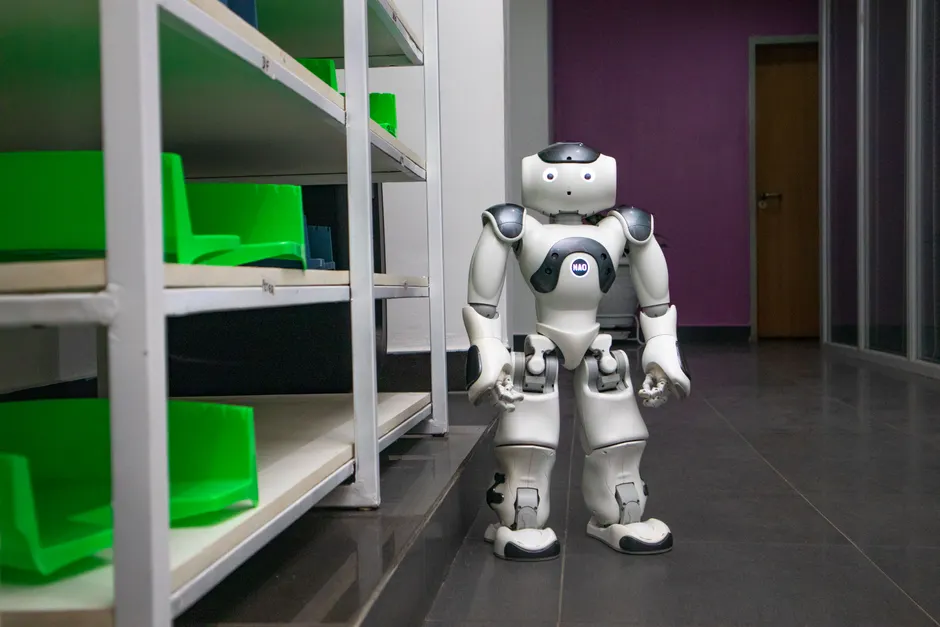
A humanoid robot is built roughly in the shape of a person, with a head, a body, two arms and two legs.
The prototype was built with help from Fourier, a Chinese robotics company, in about three months. Reuters, also citing The Information, reported the Fourier collaboration on 31 October.
Max weighs roughly 106 pounds and stands about 1.5 meters, or approximately five feet, tall. Its head has a display that can show facial expressions, and it has a built-in speaker. Its hands are designed to pick up small objects.
According to the report, the prototype runs on NVIDIA's Jetson Thor chips. These are computer chips made for AI, which let the robot do its thinking on the device itself.
No launch date has been set for a mass-market version of Max.
Meta has also been working on a second prototype, codenamed Max 2, since September. According to the report, Max 2 includes updates to the torso and hand design. It also adds a projector and extra sensors meant to help the robot handle stairs better. Reuters, citing The Information, reported that Meta is working on a second version of the humanoid robot.
The details are worth a closer look. The display and speaker suggest the robot is meant to interact with people, not just move things. Hands that can grip small items are the part most closely tied to chores, and the report says the Max 2 changes target that area.
Stairs are hard for a two-legged machine. The robot has to see each edge and step, and keep its balance while carrying a load. The projector and extra sensors suggest the team is working on how Max sees its surroundings.
In my view, the gap between a working prototype and a product for the home is where most humanoid robot projects have run into trouble. A robot that picks up an object in a controlled room is one achievement. A robot that does the same job reliably in a cluttered kitchen, in changing light, around pets and children, and over years of daily use is a much harder one.
The broader context here is that Max is one of several efforts to put general-purpose machines into homes. Choosing a Chinese robotics partner for a US company's prototype is also a notable part of this story.
If the work on hand skill and stair climbing moves forward, a home robot could become one of the more practical real-world tests for AI that operates through a physical body. For now, the facts are these: one prototype, a second version in development, and a computer platform that lets the robot process AI tasks on board. The path from there to a product on a store shelf is still long.