Waze is Adding AI Features to Help You Navigate Better
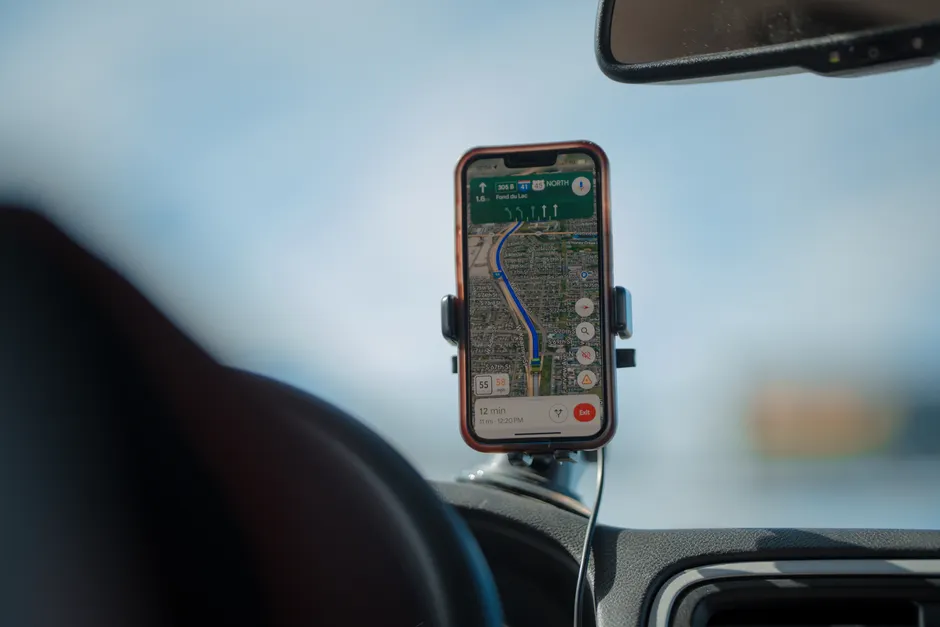
Waze is rolling out five new AI-powered features to help drivers and motorcycle riders get around more easily. The update includes special routing for motorcycle riders, personalized route suggestions based on where you usually drive, a quieter voice mode, an easier way to report road problems, and voice search that understands natural questions.
The motorcycle feature is the most specialized of the bunch. It learns to route riders around obstacles that don't affect cars — potholes, speed bumps, raised crosswalks, and narrow bridges — and finds shortcuts that work better for two wheels. Waze does this by combining real-time traffic data with a team of people who specifically watch for motorcycle-relevant hazards, making sure the information stays accurate. This hybrid approach, mixing AI with human verification, matters on safety-critical information where a missed pothole could cause real harm.
Right now, the motorcycle mode is only available in Argentina, Brazil, Colombia, Malaysia, Mexico, Peru, and the Philippines. These are places where motorcycles and scooters handle a much larger share of daily commuting and deliveries than you'd see in North America or Western Europe. Waze hasn't said whether it will expand the feature beyond these regions.
The personalized routes feature uses your own driving history alongside live traffic data to suggest routes you might prefer. Instead of just showing you the fastest route based on current congestion, it learns where you tend to drive and tailors suggestions accordingly. You can turn this off if you don't want it.
Less Chatty mode strips away Waze's extra commentary and keeps only the essential stuff — turn instructions and safety alerts. If you've found Waze chatty, this addresses that directly.
Conversational Reporting started as a way to report accidents and traffic jams by speaking naturally rather than tapping through menus. Now it's expanded to let you report problems with the map itself — outdated information or incorrect data — all by voice while you drive. You can tell Waze something needs fixing without taking your eyes off the road.
Gemini-powered voice search is the newest addition. Instead of searching for nearby gas stations by tapping, you can ask naturally: "Find me a gas station nearby with the lowest prices." The system returns personalized results rather than just a simple list sorted by distance. For now, this feature is only in Waze's beta testing program, available to volunteers testing new features.
The broader context here is worth noting. Google isn't announcing all five features in one official statement. Different features are rolling out at different speeds and to different groups of people — some to beta testers only, some globally to all users on Android and iOS. This makes it harder to know exactly what's new and when it becomes available. For people building other apps or services on top of Waze's data, this piecemeal rollout means tracking each feature separately rather than treating it as one organized release.
The decision to pair AI hazard detection with human editors in motorcycle mode tells you something about how Google thinks about this technology. Machine learning is good at spotting patterns, but when a mistake could cause someone to crash, humans are still part of the answer. That combination of AI for heavy lifting and people for verification on safety-critical work is a practical design choice that reflects the real stakes.