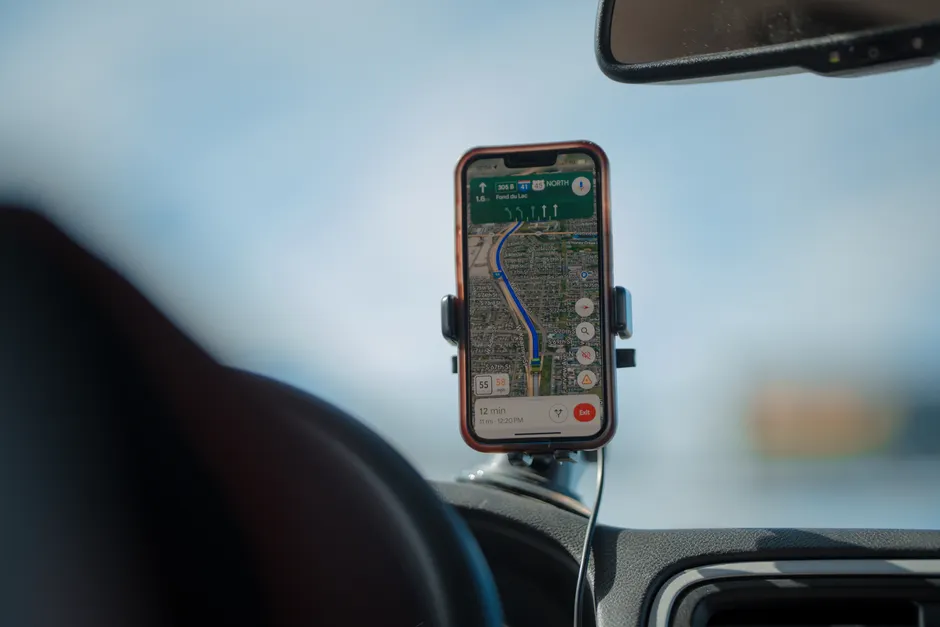
Waze Gets AI-Powered Voice Search and Custom Riding Features
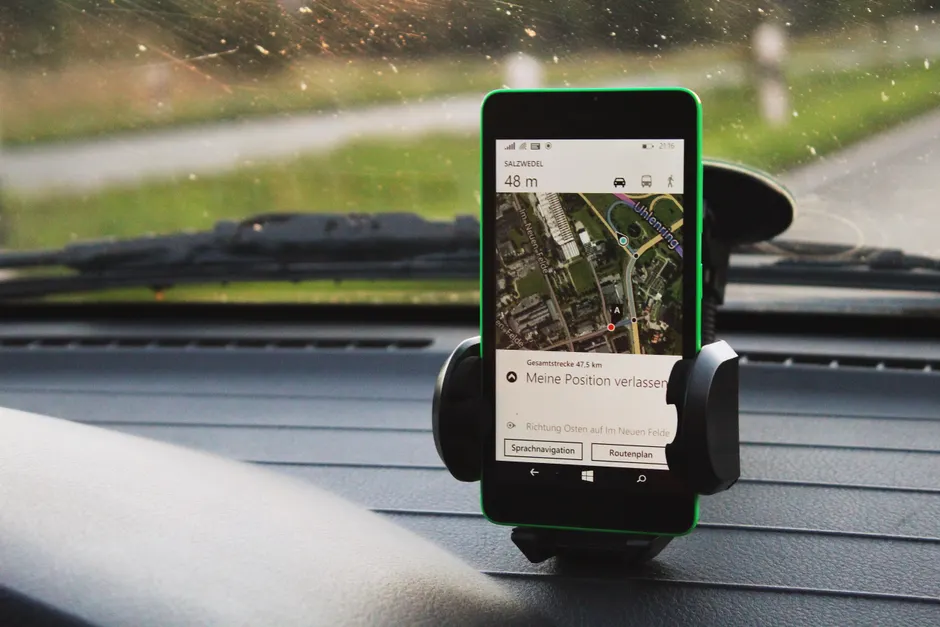
Waze, Google's navigation app, added four new features powered by AI on July 13, 2026 TechCrunch. The biggest change lets you search by speaking naturally — say "find me a coffee shop that's open right now" instead of typing a business name.
How the Voice Search Works
The voice search uses Google's Gemini AI, which understands what you mean even when you don't use exact words. You tap the search button and speak. The app figures out what you're looking for and finds it on the map. Right now, only people in Waze's testing program can use this feature, though it's available to them worldwide on iPhones and Android phones TechCrunch.
Smarter Route Suggestions
Waze now learns your driving habits and suggests routes it thinks you'll like. It combines what it knows about where you usually drive with live traffic patterns in your city Google Waze Blog. This feature is available to everyone right away, on both iPhone and Android. If you don't want personalized suggestions, you can turn them off in settings.
One notable detail: Google made the off switch easy to find. Since the app learns from your past trips, the company put privacy controls right where you can see them, rather than burying them in hidden menus.
A Special Mode for Motorcycles
Waze now has a special mode for motorcycle riders. Most navigation apps are built for cars and don't account for how motorcycles actually navigate. Motorcycle mode tells riders about hazards that matter for two wheels — potholes, speed bumps, raised crosswalks, shoulder drop-offs, and narrow bridges — and suggests routes that take advantage of things motorcycles can do that cars cannot, like legal lane-splitting in certain places Google Waze Blog.
Waze is launching motorcycle mode in seven countries: Argentina, Brazil, Colombia, Malaysia, Mexico, Peru, and the Philippines. Google chose these because they're places where lots of people actually ride motorcycles for everyday travel, not just in Europe and North America where cars are the main way people get around.
Two Smaller but Helpful Updates
Waze also made two other changes. First, you can now report road problems — like a closed street or an outdated business address — by speaking instead of tapping buttons. Volunteers who maintain map data for Waze will check your report and update the map TechCrunch. Speaking is faster and easier than navigating a menu while you're driving.
Second, there's a "less chatty" voice mode. It quiets down the app's voice instructions and stops interrupting you as often, but still alerts you to hazards and upcoming turns. Both updates are available to everyone.
What This Means
These changes show how Google is putting its AI assistant Gemini into specific apps to help with actual tasks, rather than making you open a separate chat app. Google is also building different versions of apps for different types of vehicles and different parts of the world, instead of the same app for everyone everywhere. Waze has always depended on regular people reporting traffic and road conditions. This update builds AI on top of that crowdsourced data rather than replacing it.
The motorcycle mode is a good example of this thinking. Most large software companies would build one navigation app and ship it everywhere, because that's cheaper and easier. Instead, Waze is specially tuning the app for places where motorcycles are the main form of personal transportation. It means collecting and checking data about two-wheeler hazards in each country separately. If Google adds motorcycle mode to countries like India or Indonesia, where even more people ride motorcycles, it will show the company is serious about this type of rider.