SK Hynix Stock Crashed After US Listing. Here's What Happened.
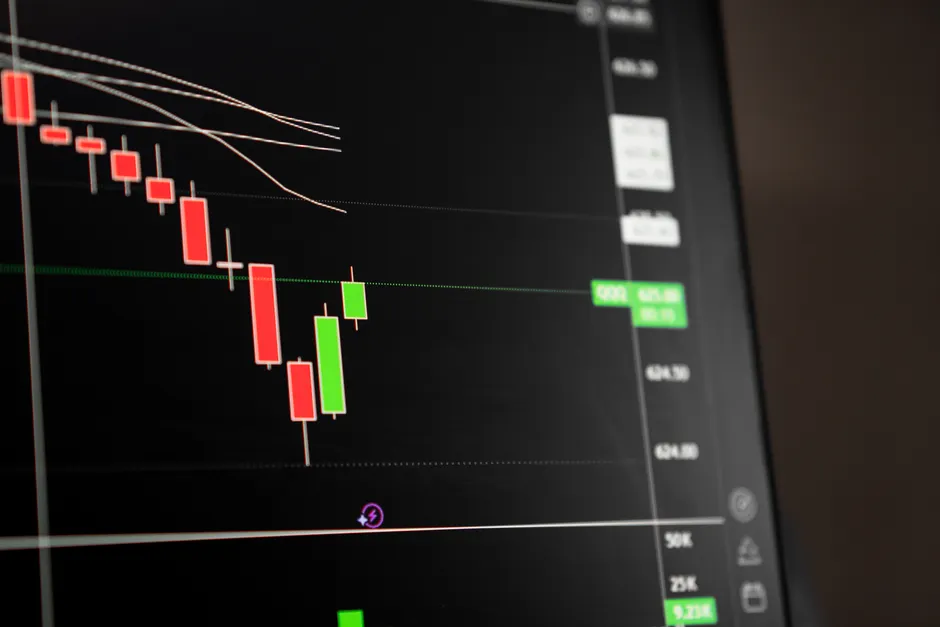
SK Hynix, a major South Korean computer chip maker, saw its stock price drop as much as 44% on July 13, 2026—just four days after it finished a highly publicized listing in the United States. Reuters said the drop was due to profit-taking, with investors cashing in gains. Bloomberg called it the largest single-day plunge in the company's history and noted that South Korean stocks broadly had declined that day.
A week before the crash, SK Hynix had sold US shares at $149 each on July 9, raising about $26.5 billion. Demand was extremely strong—more than seven times the number of shares available got investors' bids, according to Reuters. The company had originally hoped to raise up to $29 billion, per a Reuters report, but raised $26.5 billion instead. Still, this was the largest share sale by a foreign company in the US as of mid-2026, per Reuters. On the first day the shares traded, they closed 13% higher than the offering price, according to Reuters.
Think of it like buying a house that went on sale: everyone wanted a piece at the asking price, the seller let some in, and on day one it felt worth 13% more. Four days later, it felt worth 44% less. The swing is bigger than you'd normally expect from profit-taking alone.
The stock collapse happened alongside international news. On July 13, fighting broke out in the Gulf region. Iran claimed it had closed the Strait of Hormuz—a critical shipping lane where much of the world's oil passes through. Reuters reported that oil prices jumped sharply in response. Modern Diplomacy flagged the risk that higher energy prices could push inflation back up—a worry that had mostly faded from markets in recent months, per commentary from Man Group.
Why does this matter? The Strait of Hormuz handles a huge share of the world's oil and natural gas shipments. If that route really closes, it would force oil prices much higher. High oil prices can push up the prices of almost everything else—from groceries to shipping—and that's a problem central banks had thought they had mostly solved. On July 13, markets suddenly wondered whether that problem was back.
SK Hynix's stock fall and the oil shock happened on the same day, but they are not the same story. What's striking is how fast a big win can turn around when bigger worries hit the market. SK Hynix came into July 13 riding high from its successful listing. But when investors suddenly had to rethink global oil prices and inflation, the chip stock was an easy place to exit. A stock that felt 13% rich had no cushion left.