Why SK Hynix Stock Crashed After Its Big US Listing

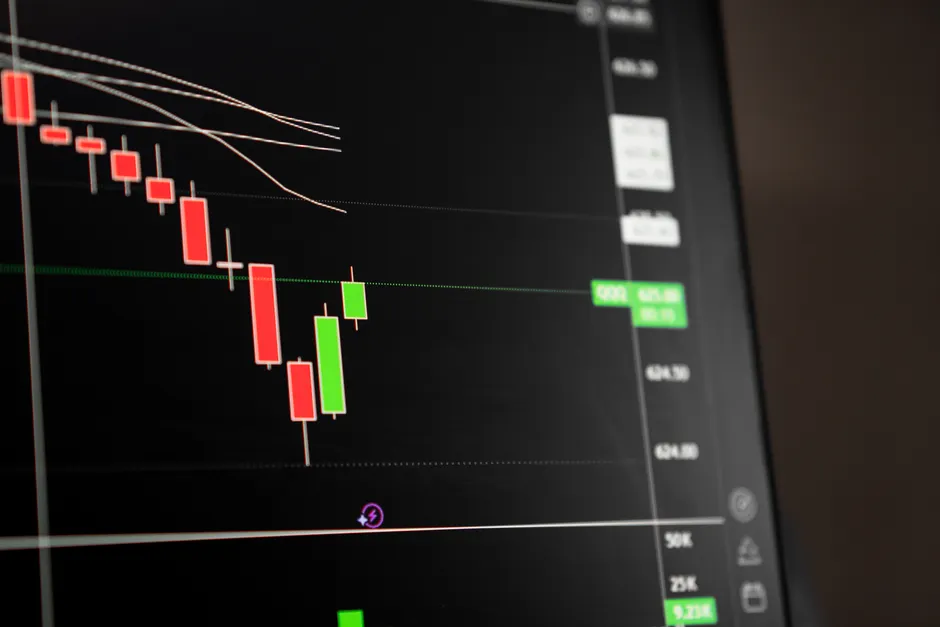
SK Hynix shares fell 15% in Seoul on Monday — their worst day ever — after surging when the company listed on the Nasdaq in New York CNBC. The drop spread to US stock markets, pulling down other chip stocks Schwab Network.
On July 10, 2026, SK Hynix began trading in the US at $149 per share, raising over $26 billion Reuters. Demand was so strong that the offering was oversubscribed more than seven times — meaning far more people wanted to buy shares than the company had available Reuters. On the first day, the stock opened 14% higher than the offer price and closed up 13% overall Bloomberg. The company was valued at around $29 billion CNBC-TV18. SK Hynix's chairman told reporters "demand is enormous" CNBC.
Then things changed fast. By July 8, South Korean chip stocks were sliding after concerns about AI and memory chip pricing sparked a US sell-off Reuters. Samsung and SK Hynix fell 7.6% and 5.2% that day. South Korea's main stock index — which was the world's best-performing major market in 2026 — had entered what's called a bear market. Both Samsung and SK Hynix were down more than 9% CNBC-TV18. Monday's 15% drop deepened the decline. Around July 20, when US markets moved lower, weakness in Seoul contributed to a broader sell-off in chip stocks Reuters.
News coverage showed the confusion. One day Bloomberg reported "Chip Stocks Rally in AI Trade Revival," the next day it was "Chip Stocks Tumble on AI Anxiety" Bloomberg. This kind of back-and-forth within days tells you that investors are unsure about where memory chip prices and AI demand will go.
The rise before the fall was enormous. SK Hynix stock had climbed nearly 800% in the months before the US listing Fortune. By May 2026, the company had become worth $1 trillion — joining Samsung and Micron in that group — because investors were excited about AI demand Reuters. At that point, SK Hynix was up 215% for the year, Samsung up 149%, and Micron up 245%. Financial writers noted that memory chip shortages had made these companies extremely profitable, but warned this wouldn't last Bloomberg Opinion.
One reason SK Hynix wanted to list in the US was to match the stock price that Micron commands — which is higher because Micron already trades here with more buyers and sellers available Reuters. That made sense: a US listing usually gets a higher valuation than a home-country-only listing. The 13% pop on day one showed the market was interested.
What happened next looks like investors taking profits. When a stock has jumped 800% and then climbs another 13% on day one of trading, many early investors have huge gains sitting on the table. The moment new trading makes it easy to sell, people tend to cash in — it's just sound personal finance, not necessarily a sign that the company's business is failing. SK Hynix will report earnings on July 13, which will show whether memory chip prices are actually cracking or if the recent falls are simply people locking in winnings. The company points to strong product development — it has shipped samples of next-generation memory chips — as its real growth driver, separate from stock swings.
For people tracking US chip stocks, the bigger picture is that SK Hynix's size now means it moves the whole sector. When Seoul's biggest companies shift, US indexes that hold Nvidia, AMD, and chip equipment makers move too — even if those US companies don't directly own SK Hynix stock. This is partly about how all markets have become linked. Before deciding whether memory chips face real trouble, it's worth remembering that one big company's price swings aren't always a signal about the whole industry.