Trump Wants the U.S. to Charge Tolls for Oil Ships Through a Key Waterway. Here's Why That's Complicated.
President Trump announced Monday that the United States will charge a 20% toll on ships carrying cargo through the Hormuz Strait, a waterway between Iran and Oman where roughly a quarter of the world's oil passes each day. He posted the announcement on Truth Social, stating that "the process and formation will begin immediately." He did not explain how the tolls would actually be collected or who would collect them.
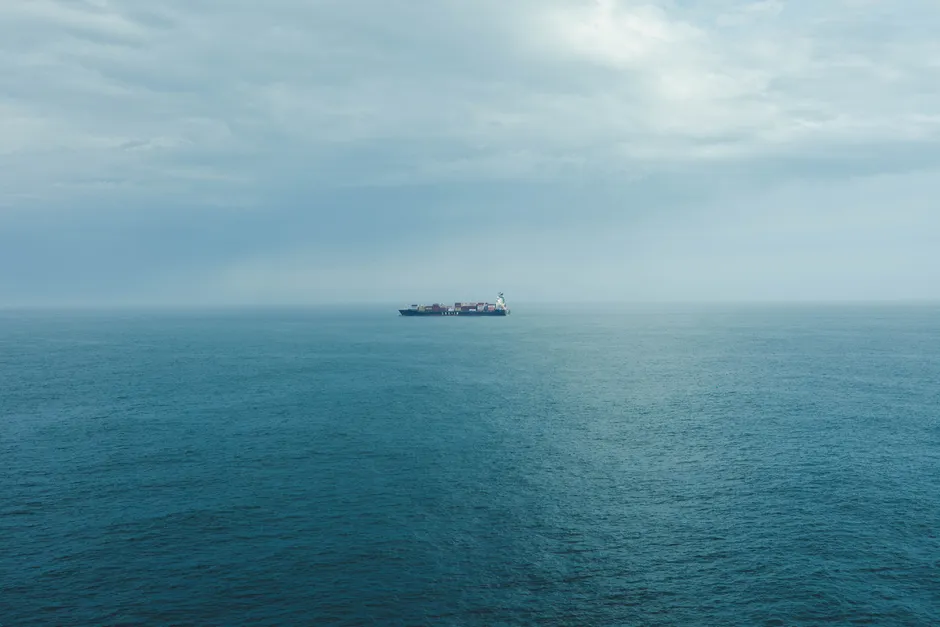
The Hormuz Strait is a narrow corridor—think of it as a global highway for oil. Nearly all oil exported from the Persian Gulf, including from Saudi Arabia and the United Arab Emirates, must pass through it. If the strait is disrupted, oil prices jump worldwide. Trump says the U.S. will be the "guardian" of the strait and collect tolls on all ships passing through it to keep it open.
Trump claimed that Iran is already blocking the strait, but only to stop "Iran's ships or customers from entering or leaving." He said his toll plan would apply to all traffic equally Al Jazeera.
This announcement is surprising because Trump has already changed his position once in recent weeks. On June 20, he said the U.S. would not charge tolls during a 60-day ceasefire with Iran Fox News. By the next day, he was already hinting that tolls might be charged if negotiations failed Fox News. Now, just weeks later, he is announcing tolls will happen.
Shipping through the strait has become chaotic. Iran's military declared the strait closed on June 20 Reuters. The U.S. and Iran exchanged military strikes in early July, after which cargo traffic collapsed dramatically The Guardian.
There are real problems with Trump's plan. First, it is not clear what the 20% toll would be charged on—the value of the cargo, the shipping cost, or something else. Second, the U.S. has not explained who would collect these tolls from ship captains or how it would stop ships that refused to pay. Third, international law typically requires that countries bordering a waterway agree to any tolls, or that countries sign a treaty. The U.S. has done neither. Trump's claim that only Iranian ships are being blocked also conflicts with reporting that shows broader shipping disruptions after the military strikes.
What happens next is unclear. The rapid shift from "no tolls during a ceasefire" to "tolls will be collected" suggests Trump may change course again. Oil traders, insurance companies, and governments around the world are watching closely to see whether this becomes real policy or remains a statement of intent.