How Nvidia and Tesla Disagree on Building Self-Driving Cars
Xinzhou Wu runs Nvidia's autonomous vehicle business. He recently spoke about a fundamental disagreement in the industry: whether self-driving cars should use multiple types of sensors or just cameras The Verge.
Wu joined Nvidia in 2023 after leaving the Chinese automaker Xpeng. At Nvidia, his team works on the software and computers that make cars drive themselves. For the first time, their system is now inside real Mercedes-Benz cars on the road The Verge.
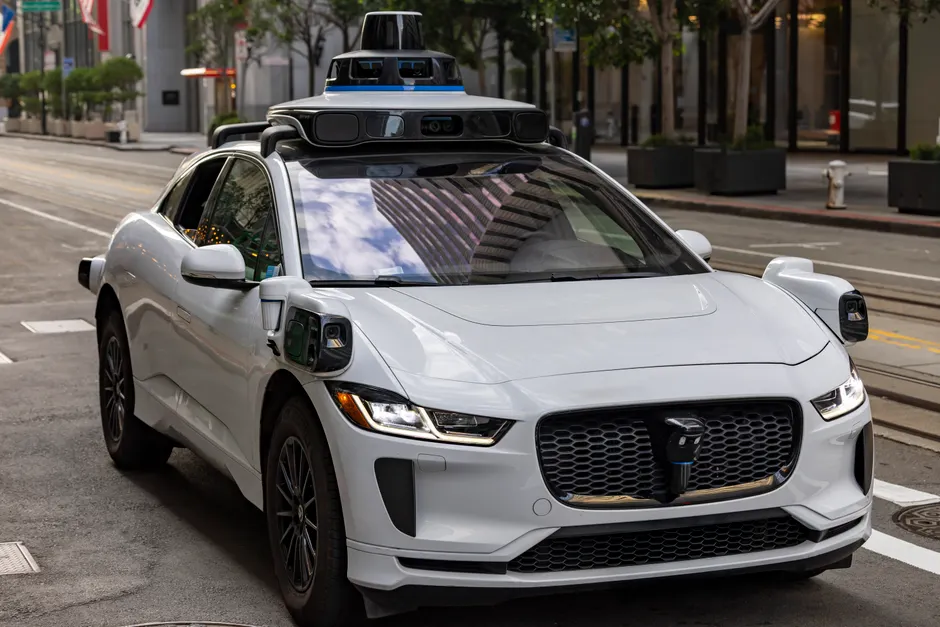
Here's the core disagreement: Nvidia uses cameras, radar, and lidar — three different types of sensors that see the road in different ways. Lidar fires lasers to detect objects and distance. Radar uses radio waves. Cameras capture images. By using all three, Nvidia builds in safety through redundancy: if one sensor fails, the others still work. This approach costs more and is more complex, but Nvidia says it is safer NVIDIA.
Tesla does the opposite. It uses only cameras and computer vision — essentially teaching a neural network to see and understand the road the way a human driver does. Tesla's approach is simpler and cheaper. But Wu and Nvidia argue that cameras alone cannot reliably detect every hazard, especially in bad weather or unusual situations.
Wu also explained how self-driving software is evolving. Cars used to have dozens of small computers controlling different functions. Now, companies are consolidating those into one or two powerful computers that handle everything. Nvidia is pushing this even further: moving toward cars where AI models, not hard-coded rules, decide how the vehicle behaves NVIDIA.
Wu was candid about one challenge: inside Nvidia, he has to compete for computing power. Nvidia's data-center business — chips used in large AI systems — makes far more money than automotive. So when both need the same silicon, data centers usually win The Verge.
Here's the tension: Nvidia's self-driving software is ready and shipping now. But electric car sales in the U.S. have slowed. One reason people might buy electric cars is self-driving capability, but if sales aren't growing, it becomes harder to justify the investment in autonomous vehicles.
The cameras-versus-lidar question has no clear answer yet. Nvidia bets on using multiple sensors for safety; Tesla bets that AI can learn from cameras alone. As self-driving cars move from testing to millions on the road, real-world safety data will eventually show which approach works better.


