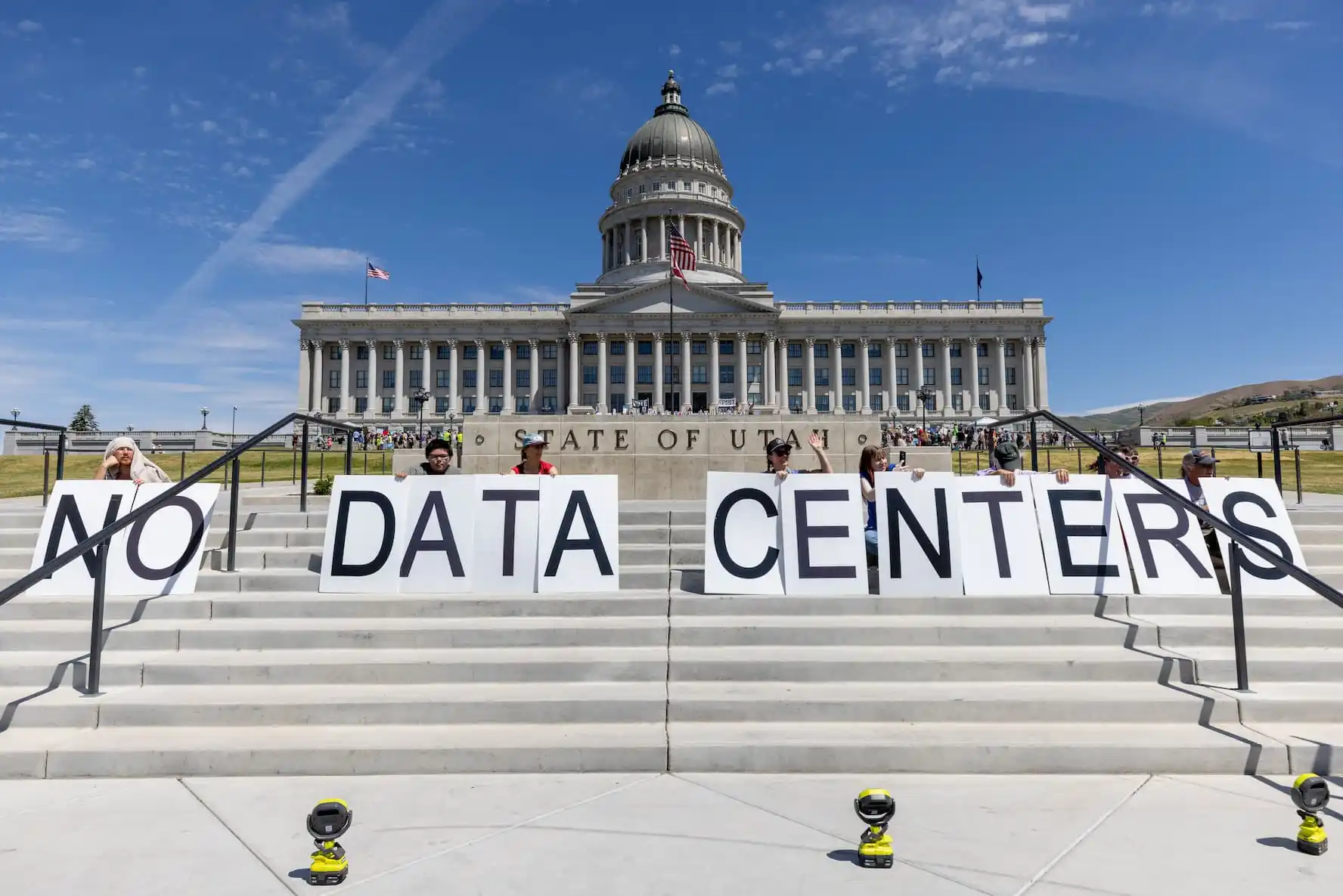
Ohio and Other States Vote to Limit Data Centers in Their Towns
Voters in 10 states approved, or appeared on track to approve, local ballot measures that restrict data centers in Tuesday's midterm elections. As of early Wednesday, 33 restrictive measures had passed and six more were projected to pass, according to Engadget. The same report counted 45 data-center ballot measures in total. Five localities had not yet posted results.
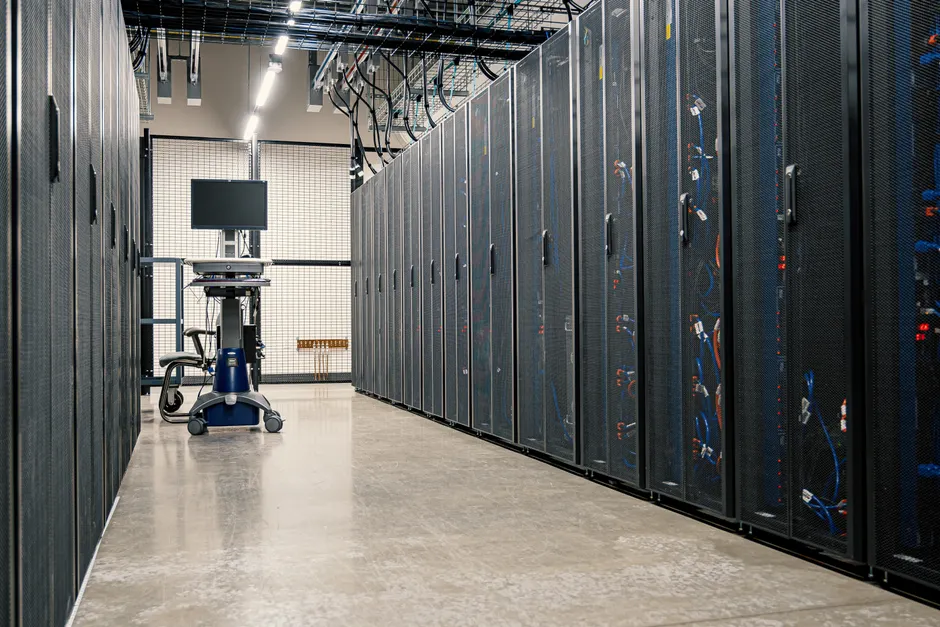
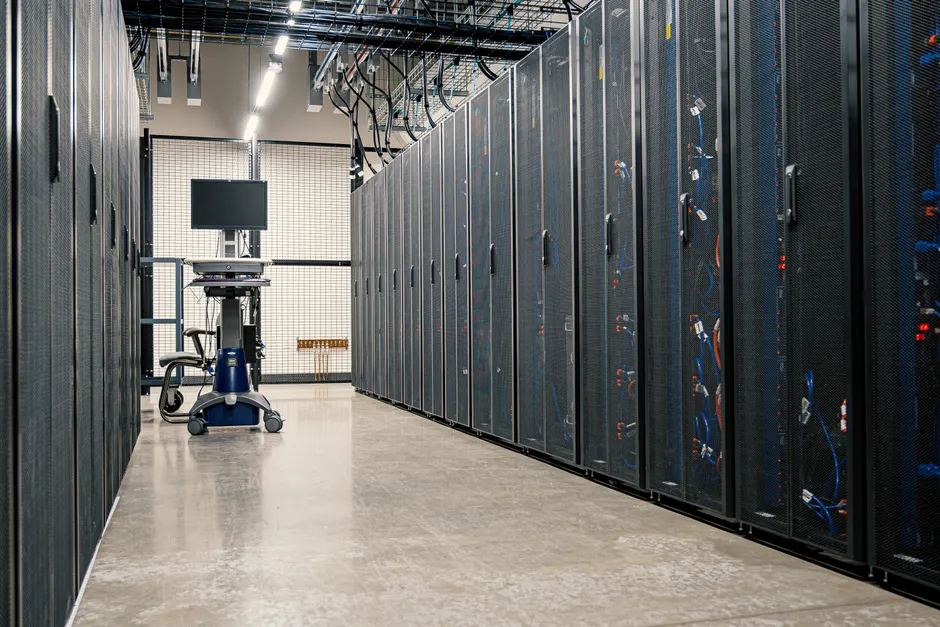
A data center is a large building full of computer servers. These servers store information and run the websites, apps, and AI tools that people use every day.
The passed measures took several forms. Some were outright bans. Others were temporary moratoriums, which are pauses on new projects. Some capped energy use, and others required that projects receive public approval before moving forward.
The City of Harwood, North Dakota, was the only municipality reported to have rejected a restriction. Its voters turned down an amendment that would have required public hearings before approving large industrial projects, including 100-megawatt data centers. A megawatt is a unit of electrical power.
Ohio was the center of the vote. Ballotpedia identified 21 data-center ballot issues on Election Day in Ohio, more than in any other state. Engadget put the number of Ohio measures at 20.
Voters in Urbana approved an outright ban with 76 percent in favor. Hubbard approved a ban with 77 percent. In Sunbury, residents passed a charter update banning data centers, with 100 percent of the unofficial vote counted. A charter is a town's founding rulebook, so changing it carries more weight than a local ordinance.
Cleveland.com reported that Ohio voters approved all 11 charter amendments restricting hyperscale data centers, the very largest facilities. It also reported that more than $400,000 in opposition spending did not change the outcome. Fortune reported at least 14 Ohio municipalities passed bans or other measures against data centers. Engadget says the state is home to 257 data centers.
The issue also reached statewide races. Democrat Sherrod Brown made opposition to data centers central to his campaign in the Ohio US Senate race, and he was declared the winner. An NBC exit poll found that 56 percent of voters said AI and data centers were a crucial or major factor in their vote for Congress.
Engadget also described James Talarico in Texas and Annie Andrews in South Carolina as anti-data-center Democrats who won big. The Wall Street Journal also reported this. Separately, Reuters reported that Trump-backed candidates lost in South Carolina, North Carolina, Michigan, Ohio, and Texas. Reuters had earlier reported that 58.7 million votes were cast in person and by mail before Election Day.
The counts differ by source. Ballotpedia's figure of 41 covers data-center ballot issues up for a vote nationally on Election Day. Engadget's 45 is a broader total across 10 states. Several localities had not reported as of early Wednesday, so the totals could change as results are certified.
The broader context here is the question of land and power underneath the ballot language. Moratoriums, energy caps, and public-approval rules all work at the town and city level. Zoning rules and charter changes there can stop or slow a project, even when a state government or a large technology company has already made its plans. For companies choosing where to build, local permit risk now matters as much as the availability of electricity and the wait to connect to the power grid. Ohio's 21 ballot issues and 11 approved charter amendments suggest the pattern is not limited to one town or one election.
In my view, the result is best read as a signal about process, not a verdict on the technology itself. The voters approved rules that require public hearings and approvals, which give residents a formal say over large projects near their homes. Whether those rules lead to better-placed projects or simply to fewer projects is a question the results do not answer. The local decisions in the months ahead, and the first permit disputes under the new charters, will tell us more than the vote counts do.