Scientists Create Digital Maps of Two Famous Shipwrecks From the Age of Polar Exploration
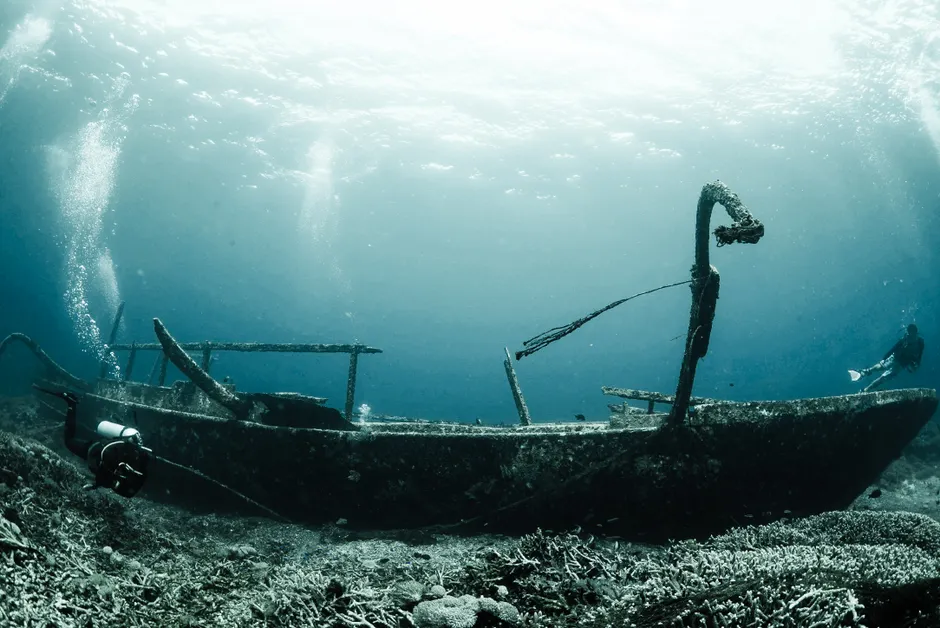
A Canadian research team has made detailed 3D digital copies of two historic ships that sank decades ago: Ernest Shackleton's Quest and Robert Falcon Scott's Terra Nova The Guardian. This happened during a 21-day expedition that left Massachusetts on July 2, led by the Royal Canadian Geographical Society Canadian Geographic.
The team used a small submersible called Alvin—the same vessel that explored the Titanic in the 1980s—to dive down to both wrecks The Guardian. Special cameras took thousands of high-quality photographs at each site. The team stitched these images together right there on the ship, creating detailed 3D models that look like photographs rather than rough sketches. They also mapped the broken pieces and debris scattered around each wreck on the ocean floor Canadian Geographic.
Shackleton's Quest lies over 1,000 feet down in the Labrador Sea near Canada. The ship sank in 1962, but Shackleton himself died on the Quest back in 1922—he suffered a heart attack while the ship was anchored near South Georgia. Researchers found the wreck only in 2024 The Guardian. This year's mission was the first time they went back and carefully photographed and mapped it RCGS.
Scott's Terra Nova sank in 1943. Scott used this ship to travel to Antarctica, where he raced against Norwegian explorer Roald Amundsen to reach the South Pole. Scott arrived on January 17, 1912—about a month after Amundsen. Scott and his four companions died on the way back. This expedition brought both ships together in one mission, connecting two explorers who competed with each other more than a century ago.
The team's goal was to document these wrecks without touching or damaging them CBC. Creating digital copies means researchers don't have to physically bring items up from the ocean or disturb the sites. Instead, people can study these 3D models forever without ever returning to the actual wrecks. Smithsonian Magazine called this a way to preserve two important wrecks linked to famous polar voyages Smithsonian Magazine.
There's a straightforward reason this approach works well: deep-sea wrecks slowly fall apart, ocean currents move things around, and sending submarines down to the ocean floor is very expensive. Once researchers capture a digital copy at high detail, it stays the same forever—a permanent record even if no one ever visits the real wreck again.
The two ships were not equally famous before this. Terra Nova's story, tied to Scott's tragic polar journey, was much better known than Quest. By putting them side by side in one mission and treating them the same way, the expedition connects two rival explorers through the lens of science and data rather than storytelling alone.
The Canadian research team announced the Quest findings on July 8 WHOI, and more complete reporting appeared in The Guardian on July 15. So far, no scientific paper has been published with the imaging data, and officials have not said when the 3D models will be shared with the public.


