What's Happening Between the US and Iran Right Now
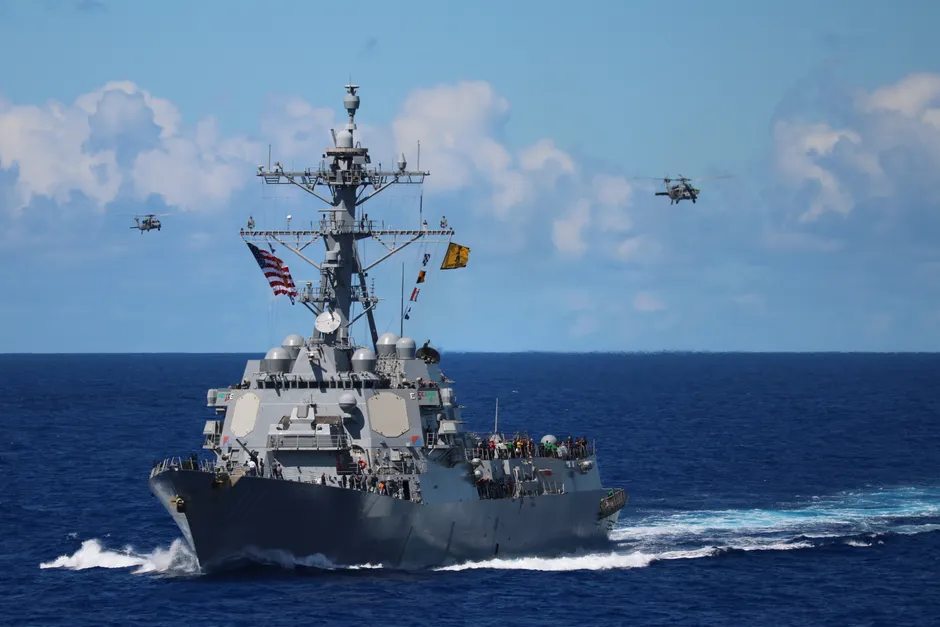
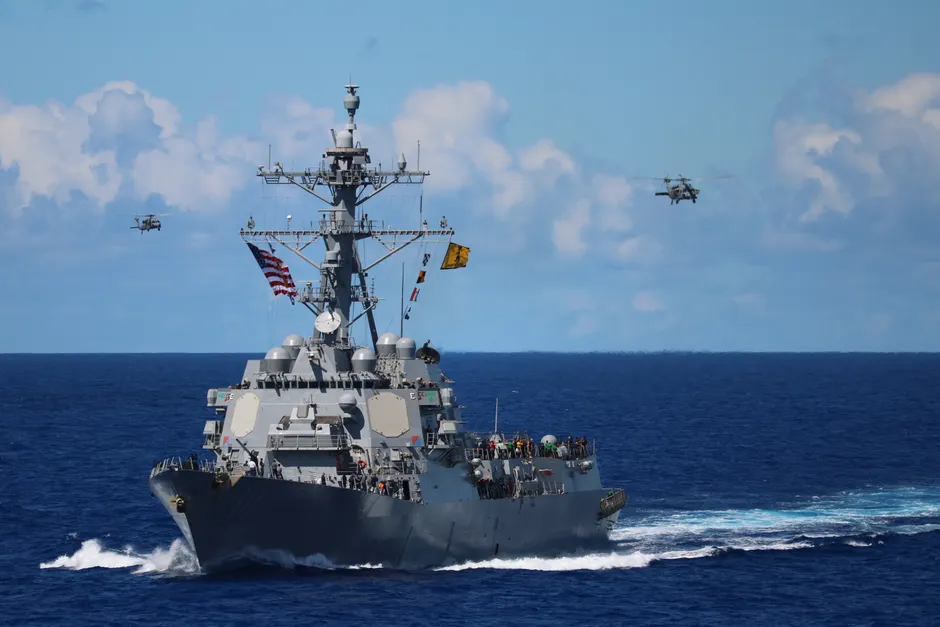
On July 15, 2026, the US military announced that American forces had stopped an oil tanker called the M/T Belma from entering a blocked-off zone near Iran. The ship, which was registered in Curaçao, was heading toward an Iranian port and ignored repeated warnings. A US aircraft fired missiles into the ship's smokestack, making it unable to operate. The US Central Command, known as CENTCOM, reported this in an official statement, and the British newspaper The Guardian confirmed it in their live coverage of the US-Iran conflict (The Guardian, 2026-07-16).
To understand why this matters, it helps to know a few things. The Strait of Hormuz is a narrow strip of water between Iran and the Arabian Peninsula. A huge share of the world's oil passes through it every day, so any fighting there can affect oil prices and global trade. The US has set up what is called a naval blockade — a line of warships that stops other ships from reaching Iranian ports. Think of it as a roadblock at sea.
On the same day the Belma was stopped, Iran turned on its air defence systems — weapons designed to shoot down incoming aircraft or missiles — over its capital city, Tehran. The semi-official Mehr news agency called the reason "hostile threats." The fact that the US was enforcing a blockade at sea while Iran was defending its capital from the air shows how wide-ranging this conflict has become.
The fighting had actually paused for a short time. A ceasefire — an agreement to stop fighting — had briefly eased tensions between the US and Iran. But by July 13, 2026, that ceasefire had fallen apart, according to the Institute for the Study of War, which reported "relatively more intense and consistent exchanges" between the two sides. That same evening, CENTCOM carried out a five-hour wave of strikes against Iranian military targets, hitting sites across the country starting at 10:15 p.m. Eastern Time (CENTCOM, 2026-07-14). By Tuesday, July 14, the US had carried out strikes on four straight days (The Hill, 2026-07-15). A third round of strikes had been completed on July 11 (CENTCOM, 2026-07-12).
Stopping the M/T Belma was not a one-time event. The US has been intercepting ships trying to break the blockade since early May. On May 7, CENTCOM reported disabling a vessel in the Gulf of Oman for attempting to cross the blockade (CENTCOM). The next day, US forces exchanged fire with Iranian units and disabled two Iranian tankers that were not carrying cargo. The Pentagon later released video of the engagement (Navy Times, 2026-05-08; AP News, 2026-05-09). CENTCOM confirmed that all three vessels disabled that week were no longer heading to Iran (Reuters, 2026-05-08). By June 10, the US had fired on at least eight tankers trying to move oil from Iran against the blockade (AP News, 2026-06-10). In total, CENTCOM says 97 ships have been turned away during the blockade (The National Desk, 2026-05-22).
At the same time, CENTCOM has repeatedly said the Strait of Hormuz stays open for normal commercial ships. On June 20, CENTCOM reported that 55 merchant ships had safely passed through, carrying large amounts of cargo (CENTCOM, 2026-06-20). A week later, CENTCOM announced more strikes after what it called Iran's latest attack on a commercial ship — a tanker flagged in Panama and carrying over two million barrels of crude oil near the Strait of Hormuz (CENTCOM, 2026-06-27). The M/T Belma is different from the earlier ships because it was registered in Curaçao, not Iran. That means a third country's ship got caught in the enforcement zone, which could create new legal and diplomatic questions.
Even amid the fighting, a small diplomatic channel produced a humanitarian result. Donald Trump publicly thanked Iran on Truth Social for allowing Dena Karari, a dual US-Iranian citizen, to leave the country. Trump said she had been "wrongfully detained in December of 2024." Her lawyer, Jared Genser, announced on social media that Karari had been banned from leaving Iran after visiting family in 2024 and was interrogated but not formally detained. Genser confirmed she was safe and traveling back to the United States as of July 15. Her release happening during active strikes and blockade enforcement suggests that some limited communication between the two sides continues even as the fighting worsens.
In the US Congress, the House of Representatives voted down a proposal on July 15 to cut military aid to Israel. More than 100 House Democrats voted in favor of the cut. The vote shows a growing divide within the Democratic Party over US military involvement in the region, even as the president continues to escalate operations against Iran.
The broader picture is one of steady growth. What started in May as a blockade with occasional ship seizures and gunfights has expanded into days-long bombing campaigns against Iranian military sites, with air defences now activating over Tehran. The Belma incident, four straight days of strikes, and the activation of Tehran's air defences together mark the most intense period of direct US-Iran fighting in this campaign. At the same time, the release of Dena Karari and the House vote on Israel aid show that politics and diplomacy are moving on their own separate tracks. There is no sign yet that these tracks are coming together.