Why an Engineer's Hunger Strike Over Exam Cheating Is Making Headlines in India

Sonam Wangchuk, a well-known engineer and education advocate from Ladakh, has been on a hunger strike in New Delhi for 19 days as of July 16, 2026. He is refusing to eat until India's education minister is removed from office and the country's education system is overhauled (New York Times).
A hunger strike is a form of protest where someone stops eating to draw public attention to a cause. It is a serious step because it can cause permanent harm or even death.
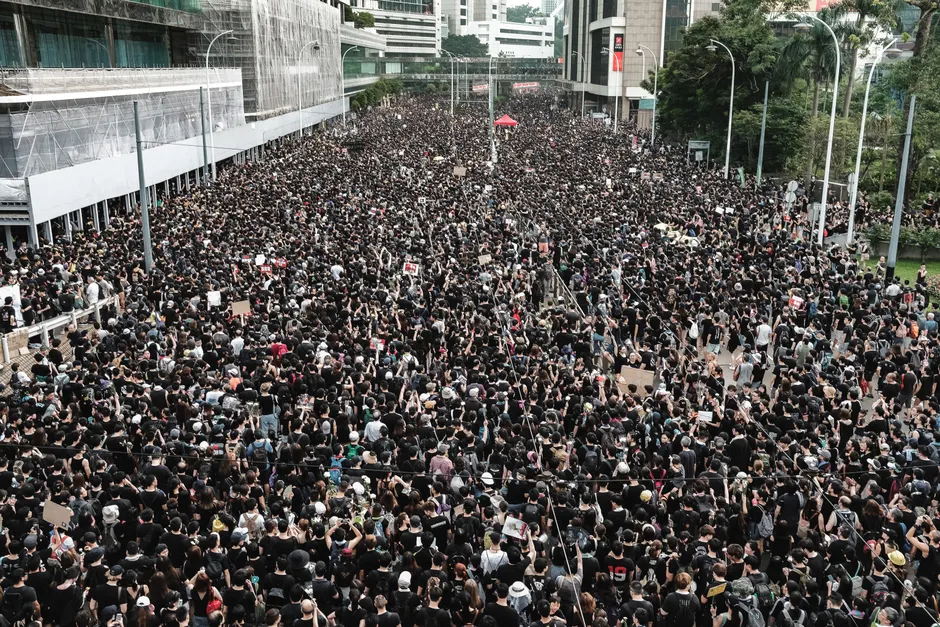
Wangchuk's fast is the highest-profile moment of what has been called the "Education Reform Movement 2026." This is a student-led campaign that began after exam paper leaks, a form of cheating where test questions are shared before exam day, undermined India's competitive testing system (Reuters). He joined the protest in solidarity with a youth leader from the Cockroach Janata Party (CJP), whose own sit-in preceded Wangchuk's fast (Reuters; The Hindu). The CJP, whose name uses the Hindi word janta (people), frames its movement around the idea that ordinary citizens are treated like pests by an indifferent system.
By day 19, Wangchuk had lost more than nine kilograms and was under round-the-clock medical supervision, with his health reported to be deteriorating (PTI via X; PTI via X; DW). He has stated he will not end the fast until his conditions are met (DW). The strike is described as indefinite, meaning there is no set end date.
In India, competitive exams are the main way people qualify for university seats and government jobs. When exam papers are leaked ahead of time, the system loses credibility and students who studied honestly lose out. Reuters identified these leaks as the direct trigger for Wangchuk's intervention (Reuters). The demand for the education minister's removal elevates the protest from a call to fix the system to a direct call for political accountability, shifting pressure onto the ministerial level of the Modi government.
DW reported that the strike poses a political test for Prime Minister Narendra Modi (DW). The combination of a protester whose health is failing, a youth movement with a provocative name, and a demand aimed at a sitting minister creates a difficult situation for a government already facing pressure from civil-society groups on several fronts. The fact that this is happening within walking distance of India's Parliament makes it harder to ignore.
Wangchuk's joining of the CJP protest gave the student movement a figure with national recognition and a track record of civic mobilization. The CJP's sit-in, which preceded Wangchuk's fast, had not generated comparable national attention on its own. Reuters framed Wangchuk's solidarity action as the catalyst that elevated the campaign to international coverage, with CNN International, the New York Times, Deutsche Welle, and Reuters all reporting on the strike between July 14 and July 16 (CNN International via Facebook; New York Times).
The broader context here involves the structural fragility of India's examination system. Paper leaks have recurred across multiple testing bodies over successive years, eroding public confidence in the exams that serve as the gateway to higher education and public employment. The CJP's framing and Wangchuk's demand to remove the education minister together push the conversation beyond simply fixing procedures toward a question of political responsibility: whether the government treats the integrity of its exam system as a genuine priority or as a reputational risk to be managed.
For the Modi government, the options are limited on both sides. Conceding to the demand for the minister's removal would show responsiveness but could also set a precedent where hunger strikes force personnel changes. Staying silent risks the medical consequences of an indefinite fast becoming a political liability, particularly with international outlets now providing sustained coverage. Wangchuk's explicit refusal to end the fast unless his conditions are met narrows the available off-ramps.
The CJP's organizational capacity and the durability of the Education Reform Movement 2026 beyond Wangchuk's individual fast remain open variables. What is clear is that the protest has succeeded in placing exam-system integrity and ministerial accountability on the national agenda with a level of media visibility the student movement had not previously achieved.