Why Are Thousands of Young Indians Calling Themselves 'Cockroaches' and Protesting in Delhi?
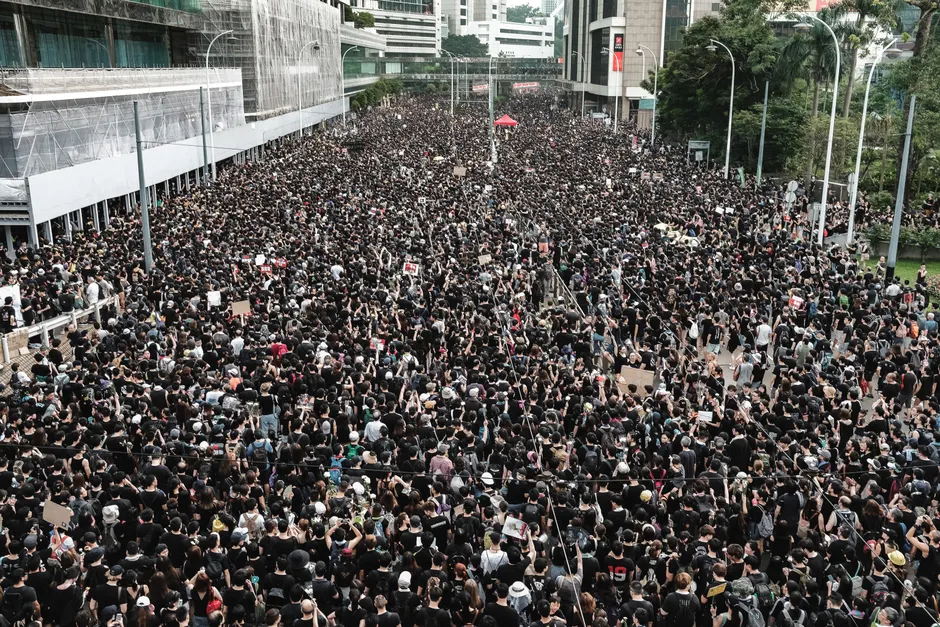
Thousands of protesters stayed in central Delhi on July 21, 2026, as the Cockroach movement entered its second day after a violent police crackdown the previous afternoon left around 60 people injured and at least one protester on a ventilator in hospital intensive care (The Guardian).
The movement's leaders announced on July 21 that they would stop marching but keep protesting in other ways. This shift came after Delhi police used batons (long sticks used by police to hit people) and teargas (a chemical spray that causes burning eyes and difficulty breathing) against demonstrators on July 20 (Al Jazeera). Hundreds of protesters stayed camped at Jantar Mantar, a designated protest site in the capital, with heavy police presence. They said they would not leave until Education Minister Dharmendra Pradhan responded to their demands (AP News).
What Is the Cockroach Movement?
The protests are organized by the Cockroach Janata Party (CJP), a youth movement led by people from Generation Z (born roughly between 1997 and 2012). It was founded by Abhijeet Dipke (The Guardian). The movement was inspired by remarks from India's chief justice (the top judge in the country) and has brought together young people who are angry about exam paper leaks. In India, exams for government jobs and university admissions are extremely important, and when the questions are leaked to some test-takers in advance, it gives those people an unfair advantage. Protesters say these leaks happen again and again and are a sign of deep-seated corruption in India's education system (DW). They want Education Minister Pradhan to resign and want a complete overhaul of what they call a corrupt and broken education system (The Guardian).
What Happened on July 20
On July 20, more than 50,000 people gathered in New Delhi, many in their late teens and early twenties. Delhi police had banned the gathering before it happened, but supporters marched anyway (Reuters). In the afternoon, police surrounded protesters and trapped them in a restricted area, shut down the internet, and put up barricades across the capital (The Guardian).
Organizers and witnesses said police attacked without provocation, including against women and children. A 25-year-old protester named Taru described being attacked by Delhi police and said protesters were more agitated than ever (The Guardian).
Why the Police Crackdown Matters Politically
The police response matters beyond just controlling crowds. In most of India, state governments run the police. But Delhi is different — the capital's police force is controlled by India's central government, which is led by Prime Minister Narendra Modi. So the decision to use batons, teargas, internet shutdowns, and barricades was authorized by the Modi government. On the same day, the main opposition Congress party held its own demonstration in Delhi on July 21, calling for Prime Minister Modi to resign. That adds a political competition angle to what the CJP has framed as a movement against corruption and for better education (The Guardian).
Growing Support and What Comes Next
The CJP's protests have been based at Jantar Mantar for over a month. Some protesters traveled hundreds of miles to attend and planned to camp out until the government responded (The Guardian). The movement has gained support from well-known figures. Activist Sonam Wangchuk is on a hunger strike (refusing to eat as a form of protest) in solidarity with a CJP youth leader's sit-in, specifically demanding the education minister's resignation over exam paper leaks (Reuters). Actor Prakash Raj publicly expressed support for the movement and said he planned to attend a protest in person (X).
Cockroach movement leaders have said that Education Minister Pradhan promised talks, according to the leaders' own accounts (Reuters). The decision to stop marching but keep protesting in other ways suggests the movement is weighing whether talking or confronting will better serve its goals after the violent dispersal.
The broader context here is a generation of young people with little patience for slow institutional reform. The CJP's Gen Z members have grown up in an India where exam paper leaks are not one-time scandals but recurring failures of the system. The movement's name comes from language used by India's chief justice, and the protesters are trying to turn an insult into a symbol of toughness — like a cockroach that survives. Whether the promised talks with Pradhan lead to real policy changes or just bureaucratic delay will likely determine whether the CJP becomes a lasting political force or breaks apart under sustained government pressure.


