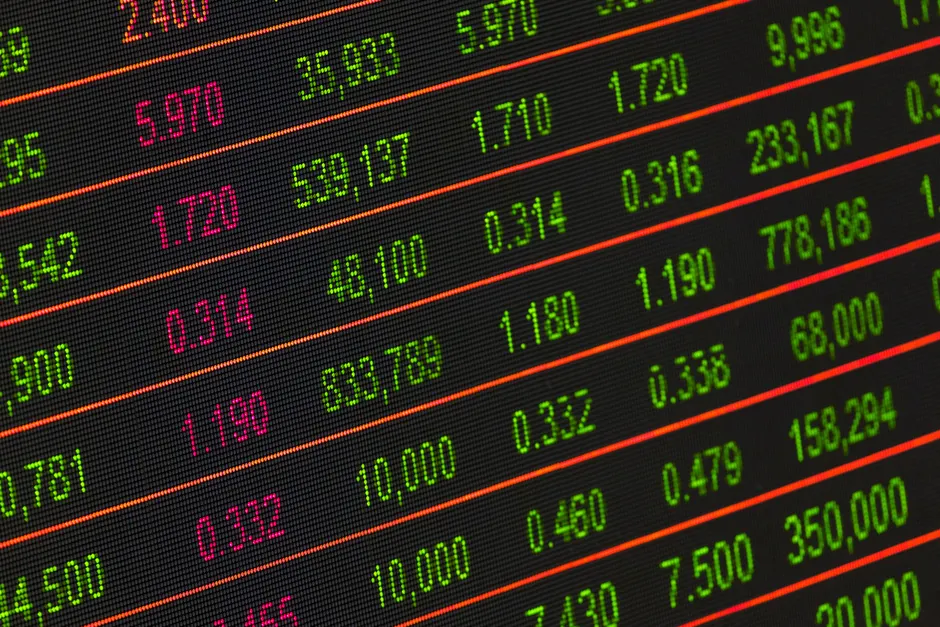
What June's Retail Sales Numbers Could Tell Us About the Economy

The U.S. Census Bureau releases its June 2026 retail sales report on July 16, 2026 at 8:30 a.m. EDT. This report, called the Advance Monthly Sales for Retail and Food Services, measures how much Americans spent at stores, restaurants, and online retailers during the month. The Census Bureau confirmed the release date in its May 2026 report, published June 17 (Census Bureau). The Bureau's Monthly Retail Trade page carries a Special Notice about the June release (Census Bureau). The St. Louis Fed's FRED database already has tables ready for the June 2026 data (FRED).
The May report set a high bar. Reuters reported on June 17 that U.S. retail sales rose more than expected in May 2026, driven mainly by people buying more cars (Reuters). PNC Economics said the same day that spending kept growing even after accounting for inflation, which is a stronger signal than just seeing bigger price tags (PNC Economics). Fitch Ratings was more cautious on June 18, saying consumer momentum was slowing as inflation cut into people's incomes, though they acknowledged May's numbers showed some near-term resilience (Fitch Ratings).
For June, the CNBC/NRF Retail Monitor, which tracks credit and debit card spending as an early preview, reported that core retail sales rose 0.36% from May and 9.41% from a year earlier (CNBC/NRF Retail Monitor). Think of it like a movie trailer before the full film. It gives you a sense of direction, but it tracks card transactions only and leaves out some categories the government's report includes, so the two numbers often differ.
New car and light-truck sales in June 2026 came in at a seasonally adjusted annual rate of 16.52 million units, up 4.4% from a year ago, per NADA data published July 9 (NADA). That annualized rate means if June's pace held all year, Americans would buy 16.52 million vehicles. Car sales matter here because they carry a lot of weight in the retail report. In fact, the May beat was largely driven by vehicle purchases.
Amazon Prime Day 2026 ran June 23 through June 26, falling entirely within the June survey window (Amazon). Amazon later posted a guide to remaining deals and promoted AI shopping tools including Alexa for Shopping, price history, deal alerts, Lists, Buy Again, and Amazon Lens (Amazon). Prime Day timing matters because online retail is a growing slice of total sales, and a big Prime Day can noticeably shift the monthly numbers.
The June 2026 inflation report, published July 14, showed that price increases eased after a recent surge tied to the Iran war (Fox Business). This matters because if spending grows while inflation cools, it suggests people are buying more actual goods, not just paying higher prices for the same items. That is the distinction PNC emphasized in its May analysis.
The broader context here is that different signals are pulling in different directions. The CNBC/NRF Retail Monitor's 9.41% year-over-year figure sounds strong, but it includes price increases, so you have to compare it against the inflation data to see if people are truly buying more. Auto sales are up, Prime Day fell in the survey window, and inflation is cooling, but Fitch's warning about incomes being squeezed by inflation is still part of the picture. Autovista24 reported in July 2025 that U.S. consumer spending and auto finance payments were on track to break records (Autovista24), but that report predates the current period and serves as background only.
The Census Bureau's June 2026 Index of Economic Activity stood at 0.65 as of July 13 (Census Bureau), giving a composite snapshot of economic conditions ahead of the release. The upcoming schedule lists July 2026 data for August 14, August 2026 for September 16, and September 2026 for October 15 (Census Bureau).
The key question is whether the official June numbers confirm the upbeat preview from the CNBC/NRF Retail Monitor or show a softer picture, as Fitch's caution would suggest. Strong car sales and Prime Day both point toward a solid headline. But the inflation squeeze on incomes is still in play, and the most important figure to watch is the control group, which strips out volatile categories like gas, cars, building materials, and restaurant meals to give a cleaner read that feeds directly into GDP calculations. That number carries the most weight for economists tracking how fast the economy is actually growing.