Meta's Muse AI Assistant Now Works on Your Smartwatch

Meta has launched its Muse AI agent on Apple Watch and on Wear OS, the smartwatch software Google makes for Android phones. TechCrunch reported the launch on 10 November 2026. Muse had already been on the App Store since September, when it first arrived there.
An AI agent is a program that carries out tasks for you, not just one that answers questions.
On a watch, you can talk to Muse in three ways. You can have a voice call, send text messages, or use dictation, which turns your spoken words into written text. These are the main ways to get words into a small device: speaking, typing, and converting speech to text.
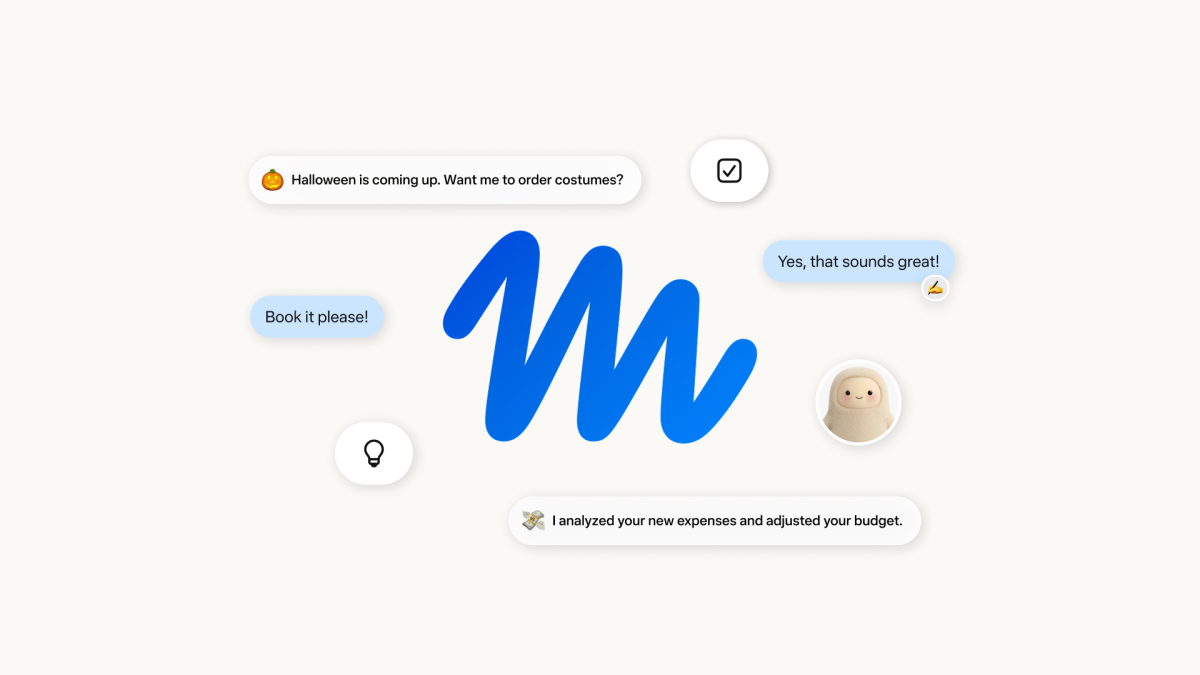
Muse can connect to your accounts to manage email, meetings, and bills. Once connected, it can book reservations, order groceries, set goals, and make purchases. It works inside other companies' services for you, not only inside its own chat window.
You can give your Muse avatar the look of a person, an animal, or another kind of character. Meta has also launched Spaces, which holds topic-based conversations for talking and working with Muse. For users in the U.S., you can now video chat with your Muse AI avatar.
The watch launch comes about a month after Meta introduced a dedicated iPad app for Muse. Muse passed 10 million U.S. downloads within its first 40 days on the App Store.
The broader context here is a change in where the agent lives. A phone or tablet app is something you open on purpose, like sitting down at a desk. A watch keeps the assistant on your wrist, ready in the gaps between other things, so short, interrupted exchanges become the natural way to use it.
The bigger question for the people who protect companies from security problems is what happens when an assistant with access to email, bills, and payments is called up on a device with a tiny screen. Confirmation steps that are easy to read on a phone are harder to show on a watch. Spoken instructions also leave less room to check what will happen before an action goes through.
In my view, the wrist is where AI agents will either earn a daily place in people's lives or become one more buzz to swipe away. The hopeful case is easy to picture: saying out loud that you want to rebook a table or reorder groceries, without digging out a phone when your hands are full. The risks come with giving an assistant access to your accounts. How well its permissions and purchase confirmations work on a screen this small will be the real test.