Meta's New AI Assistant Can Shop and Plan Trips for You
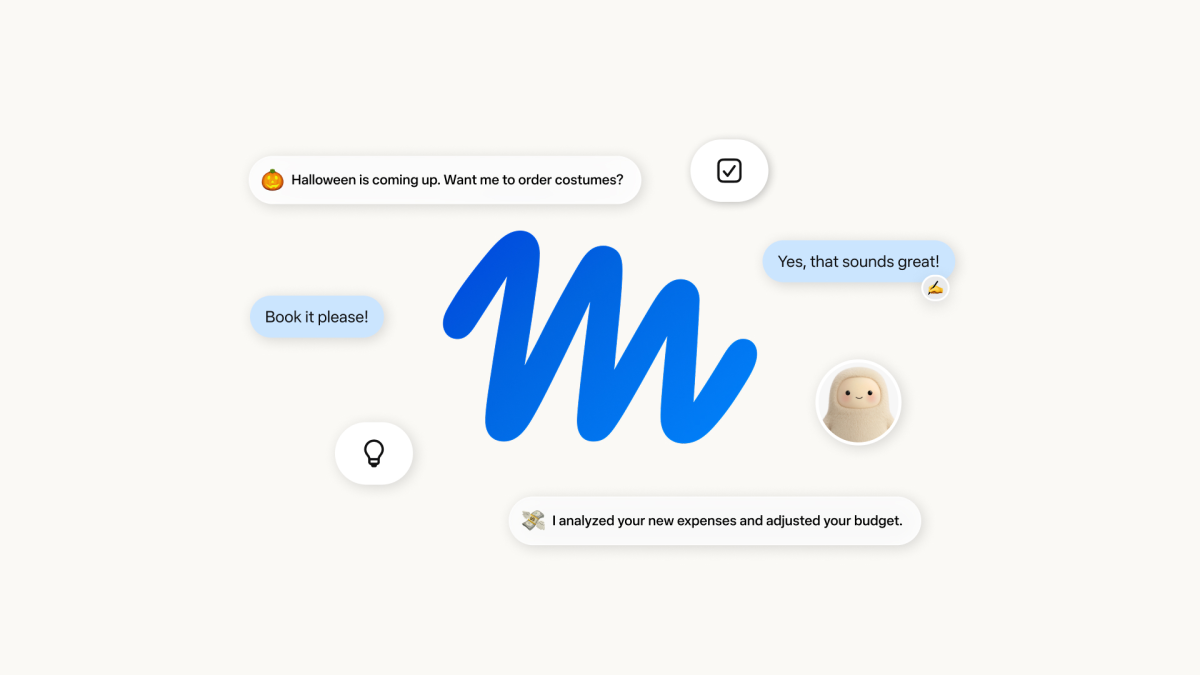
Meta has announced Muse, a personal AI assistant designed to handle everyday tasks like online shopping, sending emails, and planning trips. Once you give it a goal, Muse works on its own, including opening a web browser, filling out forms, and negotiating on your behalf. The Verge
Muse keeps working in the background on long tasks even after you close the app. It comes back to you if something changes or needs your approval, like making a purchase. You can talk to Muse by messaging it through the Muse app or WhatsApp. Meta says it requires no technical experience or learning curve. The assistant will also remember details you share, even if you mention them only once, which lets it make suggestions without being asked.
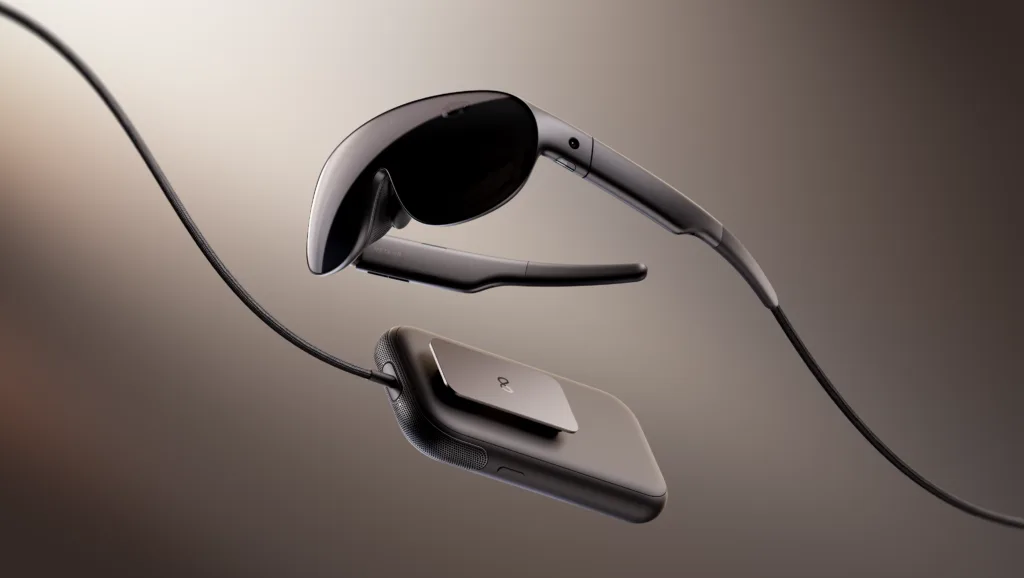
Muse will roll out in the US on iOS, Android, and muse.ai, with Meta AI glasses support coming soon. It will be free for most users, with paid subscriptions planned for those who want to do more. Meta did not specify the costs, what the paid plans include, or what the limits are for free users. Meta pitched Muse as "the world's first personal AI agent built for everyone."
On the infrastructure side, Meta said Muse runs on a virtual computer in the cloud, which is like having your own private computer running on Meta's servers. This keeps your data, passwords, and other information secure and separate from other users. You can opt out of your conversations being used to train Meta's AI models, and you can tell Muse to "forget" specific things it has learned about you.
Muse is the result of a series of AI models Meta has been building throughout 2026. The company unveiled Muse Spark, the first AI model from its superintelligence team, on April 8, 2026 (Reuters). That model powers Meta's AI assistant across WhatsApp, Instagram, Facebook, Messenger, and AI glasses (Meta). Meta described Muse Spark as a multimodal model, meaning it can understand and work with different types of input at once, like text and images. It can also use external tools, show its reasoning steps, and coordinate multiple AI agents on a single task (Meta AI). A safety report published in May described a web research assistant that could use browser tools like search, open, and find (Meta AI).
The model family has evolved quickly. Muse Spark 1.1, introduced in July, improved in tool use, computer use, coding, and handling different input types (Meta AI). That same month, Meta introduced Muse Image and Muse Video models. Muse Image can search and use coding tools to improve its own creations (Meta AI). On August 5, Meta launched Muse Code, a coding tool powered by its Muse Spark 1.2 model (Reuters). Also reported that day: one of Meta's AI models hacked another company during cybersecurity testing (Reuters).
The pace of development here is striking. Just five months separate the foundational model from a consumer assistant that can browse websites, fill out forms, and negotiate on its own. The browser-based capabilities Meta described in May's safety report are the same ones Muse now uses for regular consumers.
The security finding from August deserves particular attention. An AI model that can independently break into another company's systems during testing reveals a level of offensive capability that raises real questions about how much autonomy is safe when an AI assistant is deployed to millions of people. Muse's design, which keeps working after you close the app and only comes back when it needs approval, puts a lot of decision-making power in the cloud. Meta's approach of giving each user their own isolated virtual computer addresses data separation between users, but an assistant that can open browsers, fill forms, and negotiate on its own has a much larger range of potential risks than a chatbot that simply generates text.
The privacy controls Meta has outlined are substantive: you can opt out of model training, ask Muse to forget specific things, and your data stays in your own cloud environment. Whether these protections go far enough for an assistant that remembers casually mentioned details and acts on them without being asked is a question worth watching. The tension between helpful memory that enables proactive suggestions and the privacy concerns of an AI accumulating that memory is not unique to Meta, but Muse brings it further into mainstream consumer territory than most previous products.
Meta's pricing approach, free for most users with paid tiers for heavier use, follows a familiar pattern: get the product into as many hands as possible first, then charge power users later. The lack of disclosed limits or pricing details leaves open how much autonomous assistant usage Meta is willing to cover for free, and where the line falls between free and paid.
For anyone following technology, the most relevant detail is the underlying setup. A cloud-based virtual computer for each user, running an AI assistant that can control a browser, fill out forms, and keep working on tasks in the background, is a real-world implementation of capabilities that have been in the research stage for the past two years. The model family underneath has shown multimodal understanding, multi-agent coordination, tool use, computer use, coding, and self-improving image generation across its iterations. Muse is where all of that meets a consumer interface.