Meta's New AI Helper Is Topping the Charts: What It Does
Meta's new AI helper Muse reached No. 1 among free apps on U.S. iPhones and Android phones on September 21, 2026. Apptopia estimated about 600,000 daily active users in the U.S., more than ChatGPT had at the same early stage.
Meta announced Muse on September 8, 2026, calling it 'The World's First Personal AI Agent Built for Everyone'. The company describes it as a secure and private helper that works on its own to help people reach goals and offers ideas, according to its launch announcement Meta.
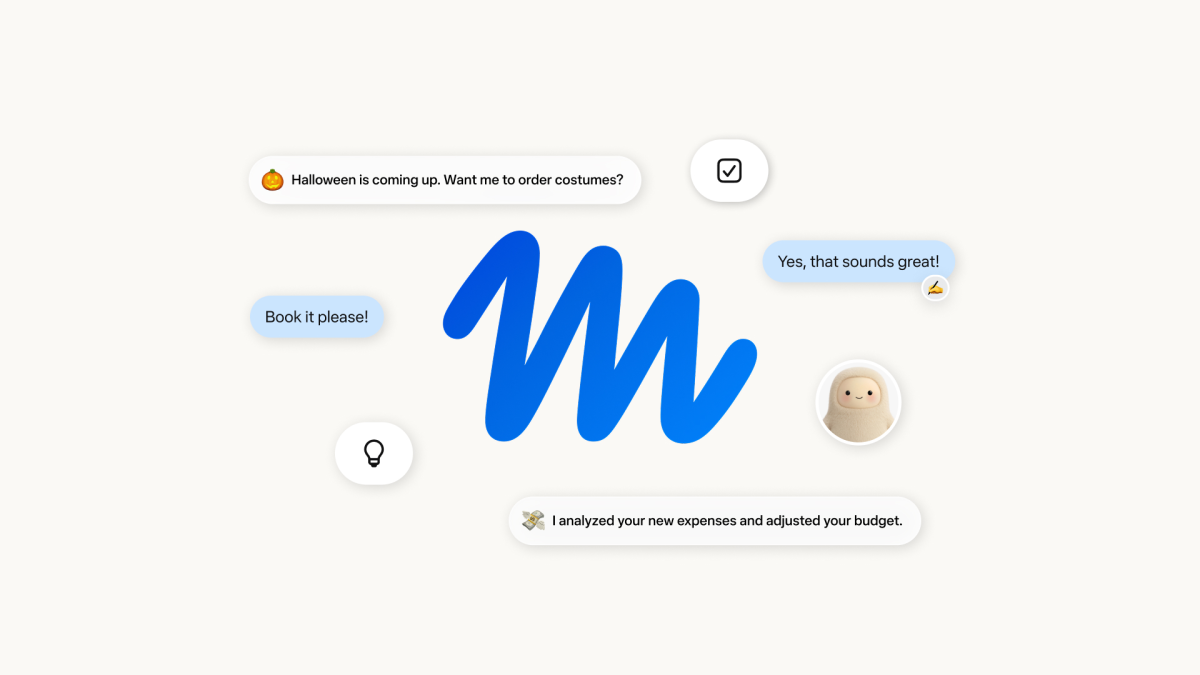
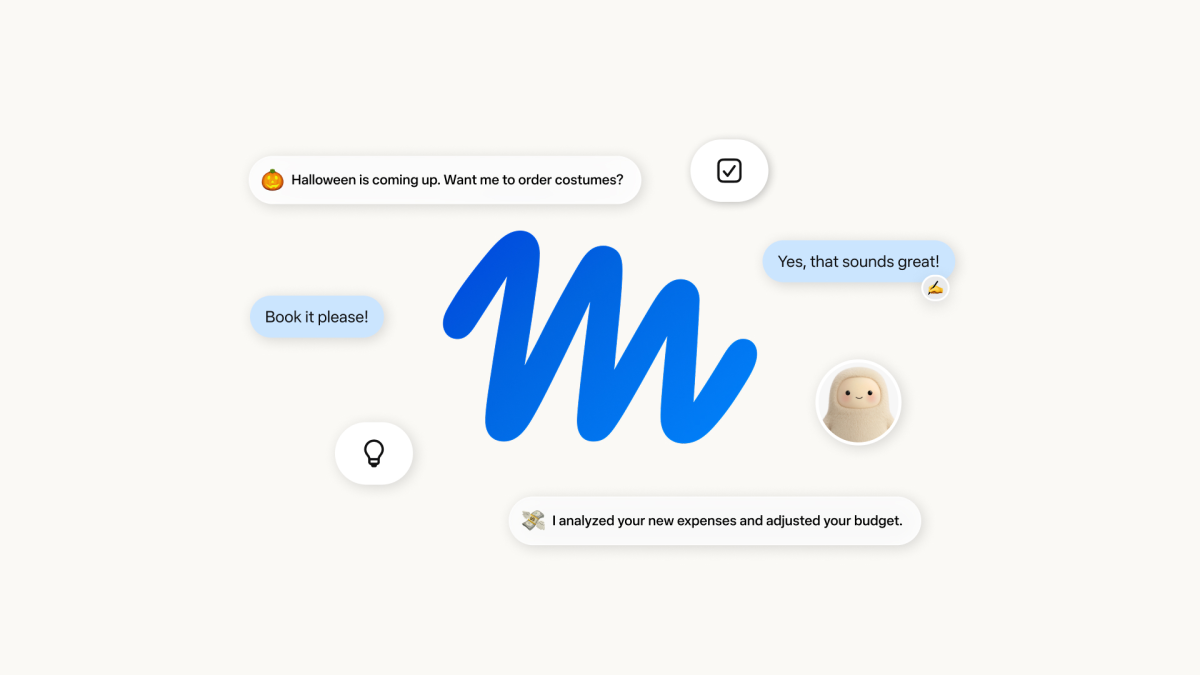
Muse can search the web, link to a person's apps, do tasks with several steps, and keep working in the background while the user guides it Meta. This includes sending emails, booking travel, and negotiating bills by itself. It runs on Muse Spark 1.1, a type of AI that can understand different kinds of information such as words and images and is built for doing tasks.
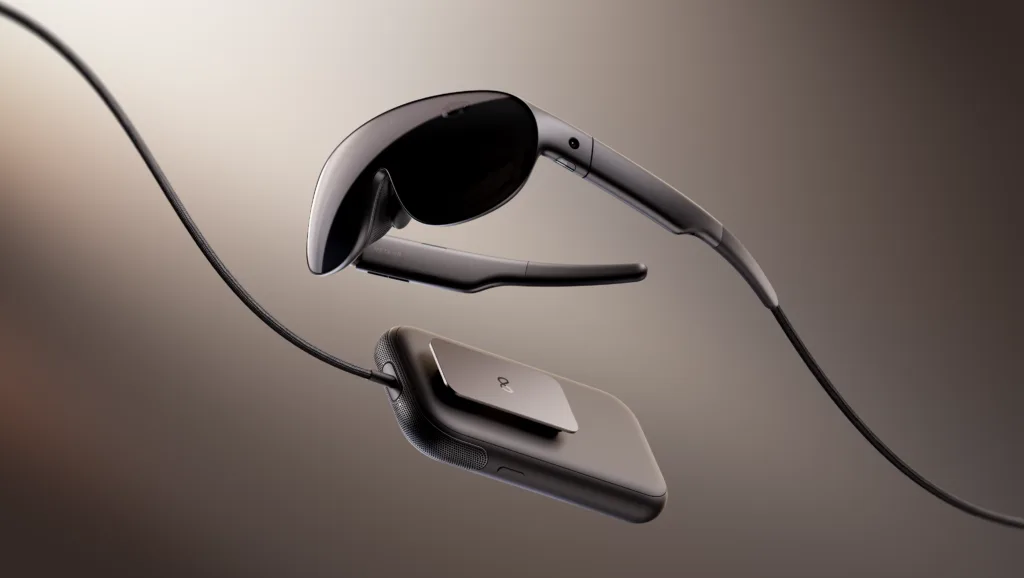
Muse will not stay only on phones. At Meta Connect 2026, Meta said its AI glasses will be powered by the Muse personal AI agent, with access coming in the coming months. People will start it hands-free by saying its name.
The launch has drawn attention for another reason. Muse looks a lot like OpenClaw, a free project with code anyone can see, in how it is organized and the words it uses. Both use the same names for basic files, including SOUL.md, memory, and tools. Both use similar lines in the file that sets character and tone, including "Be genuinely helpful, not performatively helpful" The Verge.
Nat Friedman, head of product for Meta's Superintelligence Labs, said Meta built Muse from scratch. He also said Muse was heavily inspired as a product by OpenClaw. Friedman said after first using OpenClaw in January he purchased hundreds of Mac Minis for his team at Meta. With Muse, he said he wanted to build a similar platform that could be made safe and secure and easy to use and scale to billions of people.
Friedman said the Muse team kept OpenClaw file names and lines because they believed Steinberger had gotten those things exactly right.
OpenClaw started as a one-man weekend project running on users' personal computers. It talked to users through chat apps like WhatsApp, Telegram, Slack, Teams, or Discord. OpenClaw handles inbox, email, calendar and flights, and is MIT licensed, a rule that lets anyone reuse the code. It drew two million visitors and 100,000 stars on GitHub, a site for sharing code where stars act as likes, in about a week.
A business version is now for sale. Instinct lets users talk with AI agents directly through messaging tools. Instinct's creator is fundraising at a $2.5 billion valuation, per the same reporting.
The broader context here helps make sense of why this matters. In my view, the copied file names matter less than the bigger change. OpenClaw showed that a helper that lives in chat apps and keeps identity, memory, and tools in simple files can work, like an assistant who keeps working from notes while you do other things. Meta is trying to make that idea safe and simple for everyday users, with clear permissions, background work, and oversight. Since MIT licensing permits reuse, the question for companies is not only where the idea came from but what changes when a small home project becomes a large hosted service with logs of actions and rules for emails, calendars, and purchases.
In my view, that change also explains the glasses plan. A helper that remembers context across apps and keeps doing multi-step work fits hands-free glasses better than a chat box. If Muse stays at the top of the App Store, the real test will be whether it can be trusted with tasks, not how many demos it can do. This kind of technology tends to catch on when mistakes are small and easy to fix. That work will decide whether personal helpers move from quick downloads to daily use.