Six Tourists Died From Tainted Alcohol in Laos. The Punishment Might Be One Year in Jail.
Laos was set to finish its investigation on July 17, 2026, into the deaths of six foreign tourists who were poisoned by tainted alcohol in November 2024. Officials are expected to bring two charges, with a maximum penalty of one year in prison and a fine of about A$1,600. The Australian government and the victims' families are angry, saying the punishment is far too light for the loss of six lives.
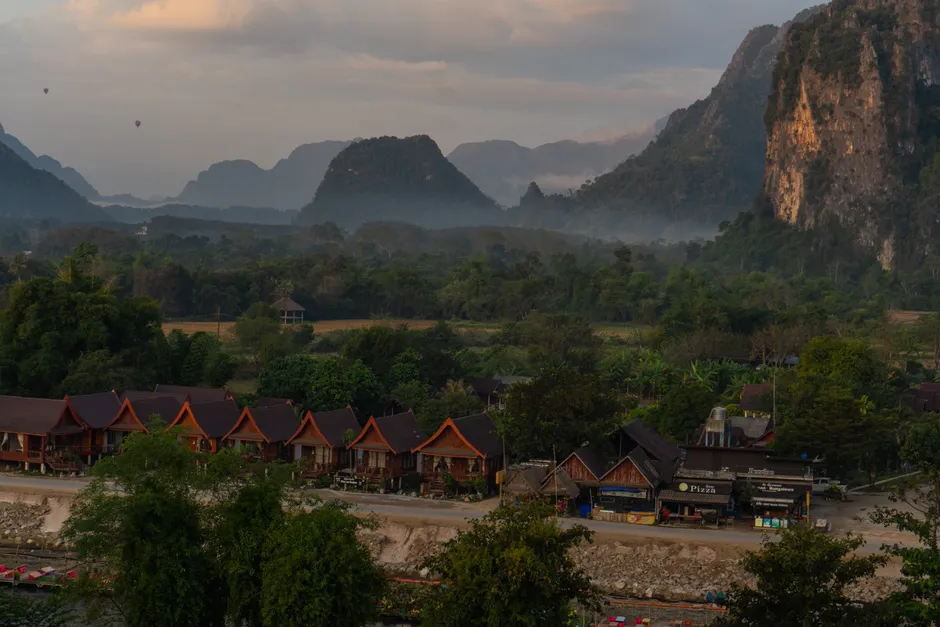
The victims were 19-year-old Australians Bianca Jones and Holly Morton-Bowles, a British woman, an American man, and two Danish women. They drank contaminated alcohol at a backpackers hostel called Nana in Vang Vieng, a town in northern Laos popular with young travelers.
The contaminant was methanol, a type of industrial alcohol that is sometimes illegally mixed into cheap or homemade liquor. Methanol is extremely dangerous. Even a small amount can poison the blood, cause blindness, and kill.
Australia's Foreign Affairs Minister Penny Wong said on July 17, 2026, that the government was "deeply frustrated and bitterly disappointed" with the expected charges. Wong said the charges "should reflect the gravity of the tragedy" and confirmed that she and the Prime Minister had told Lao officials as much. According to Wong's office, Laotian authorities are not using the most serious charges available under their own laws for the deaths of the Australian citizens.
Australia has pushed back in several ways. Wong announced that special envoy Pablo Kang would travel to Laos on July 17, 2026, to deliver the government's objections in person. A senior official at Australia's Department of Foreign Affairs and Trade called in the Lao ambassador in Canberra to formally complain. Wong said she would raise the issue at a meeting of Southeast Asian foreign ministers in Manila the following week. Federal Health Minister Mark Butler said Australia had offered to help Laos run a full investigation, but Laos said no.
The families of the Australian victims have spoken out strongly. Mark Jones, Bianca's father, called the expected charges unacceptable. Michelle Jones, Bianca's mother, warned future travelers: "don't go to Laos." She urged anyone who does go to drink only from sealed bottles or cans.
Shaun Bowles, Holly's father, told 2GB radio that he understood the charges would target the people who made the allegedly tainted vodka, but he was not sure the right people were being charged. His doubts raise a wider concern about whether Laos is investigating the right suspects.
This is not the first time the case has sparked outrage. In February 2026, ten people connected to the Nana hostel were fined about A$185 each for their role in the poisoning deaths. The fathers of Jones and Morton-Bowles said they were shocked and had only recently found out that those fines were less than A$200.
So far, six deaths across four countries have led to small fines and the possibility of charges capped at one year in prison. The families have questioned whether the people being charged are truly the ones responsible for making and distributing the contaminated alcohol.
The bigger picture here is about how much influence one country can have over another's legal system. Australia belongs to ASEAN, a group of Southeast Asian nations, and Wong plans to raise the case at an upcoming meeting in Manila. But ASEAN operates by consensus, meaning member countries generally avoid interfering in each other's internal affairs. That makes it hard for Australia to pressure Laos from the outside. Laos turning down Australia's offer of investigative help also limits what other countries can see or do.
The case also shows the ongoing danger of methanol contamination in tourist areas where drink safety rules are not strictly enforced. Michelle Jones's warning to avoid Laos and stick to sealed beverages reflects a loss of trust in local safety that, for the families, no amount of punishment can fix.


